Trump’s Midterm Pitch Clouded by Iran War and Canada Tariffs
The Iran war and escalating Canada tariffs are clouding President Trump’s economic pitch ahead of the U.S. midterm elections. Higher oil prices and a worsening trade dispute create a stagflationary risk for households, businesses and Republican candidates.
The New York Times said the president is preparing to rally Republicans for the midterm elections while facing two economic complications: the war involving Iran and worsening trade tensions with Canada. The report framed the combination as a threat to the economic narrative that will underpin the administration’s campaign message.
The pressure comes through two linked channels. A spike in oil prices can raise fuel and transportation costs, while tariffs on Canadian goods can increase input costs and disrupt cross-border trade. The article did not provide a new oil-price level, tariff rate or economic forecast.
The immediate political exposure is the Republican midterm campaign, but the economic mechanism extends to consumers and companies that use energy or Canadian imports. Higher costs can squeeze household purchasing power and business margins at the same time that trade uncertainty complicates planning.
The reporting does not establish how long the Iran conflict will last, how broad the Canadian tariff measures are, or whether either shock has already changed inflation or growth data. It also does not quantify the expected electoral effect, leaving the political consequence less certain than the identified economic risks.
The next read will depend on the evolution of the conflict, oil prices and the administration’s trade actions before the midterms. Inflation, consumer spending, business pricing and any further tariff announcements would provide the clearest evidence of whether the risks remain a campaign vulnerability or become a broader economic drag.
The Iran-war and Canada-tariff combination raises a broad stagflation risk, but the NYT report does not support a single-company trade.
The setup is a macro squeeze rather than a single-name equity signal: higher oil can lift costs while tariffs threaten trade-sensitive activity, but the report supplies no quantified shock or dated event that would support a directional trade. The read remains conditional on oil-market persistence, further Canada measures and incoming inflation and growth data.
The trade thesis fails if the Iran conflict de-escalates, oil prices retreat or tariff tensions with Canada ease before the economic effects become visible.
CoverageSource: NYT Business · Published here WED, SEP 9 · 1:23 PM ET · the only report in this recordHow this is decided →
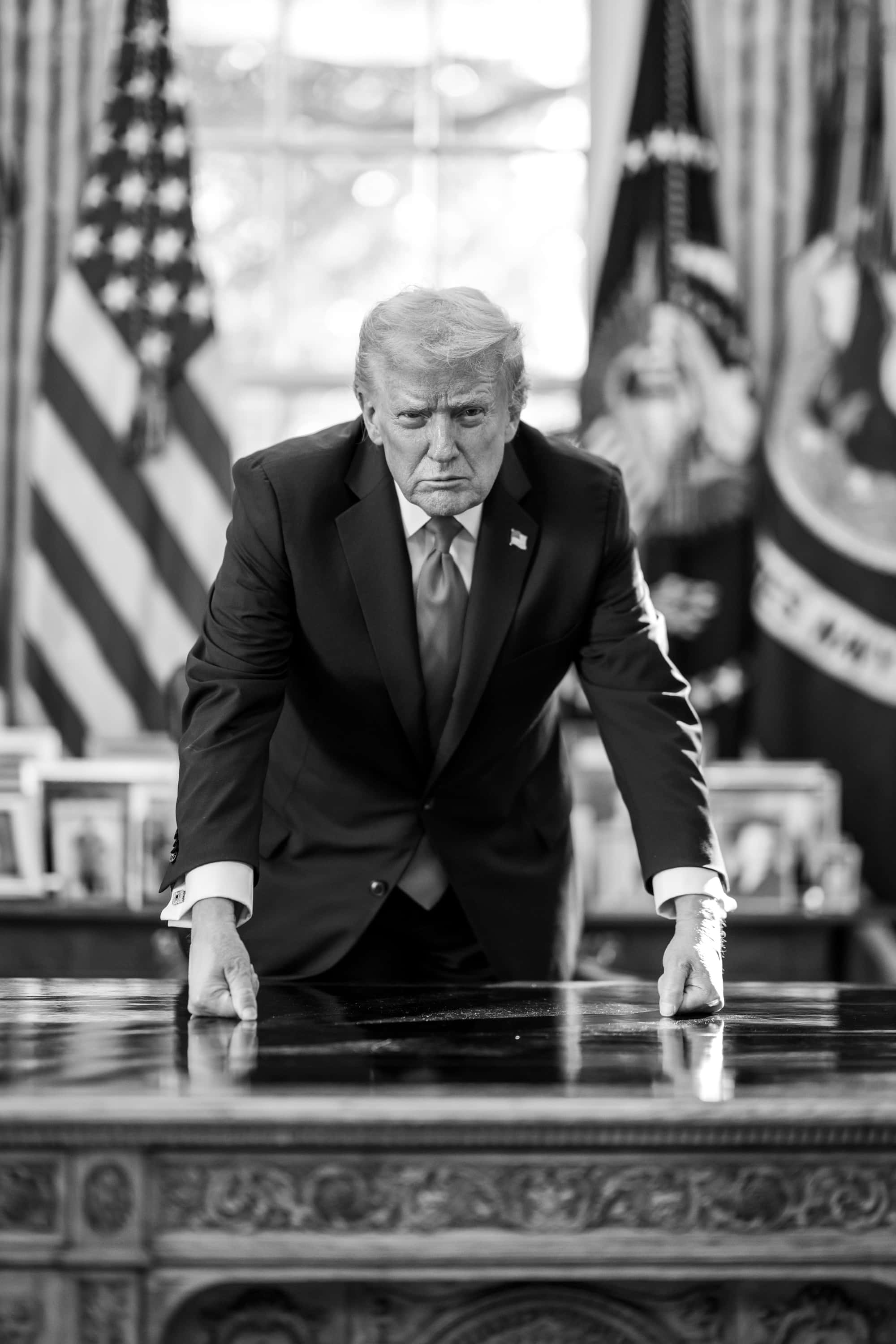 File photo · Jan 7, 2026 · Daniel Torok · Public domain · Source & license
Earlier context and later coverage are dated relative to this report. Automatically linked reports may cover a broader event.
No later reports linked yet.
Follow this story to find new evidence in your Following desk.
A sustained oil-price spike combined with additional Canada tariffs would reinforce the report’s warning of higher costs and greater economic risk.
The opposing case is that the report gives no quantified tariff, oil or macroeconomic impact, so the political and market consequences remain too uncertain for a single-name read.
Kept as written · your side, if you take one, is graded privately against licensed closes after 10 trading days · nothing here is advice · How the Wire is made →