Trump Threatens to Halt Some Trade Unless the Fed Cuts Rates
President Trump said he could halt trade between the United States and countries with which it has a trade deficit unless the Federal Reserve cuts rates. The threat raises a policy-risk loop in which pressure on the central bank could unsettle trade, inflation and rate expectations at the same time.
Keep this report. See new evidence in Following.
The story2 min read
President Donald Trump said he could halt trade between the United States and countries with which the United States has a trade deficit if the Federal Reserve does not cut interest rates. The comments were reported by The New York Times on September 4, 2026, but the report did not specify which countries or trade flows could be affected, nor did it establish a timetable for any action.
The remarks add a trade threat to the president’s ongoing pressure on the central bank. The immediate condition described in the report is a rate cut by the Fed; the proposed response is a possible halt to some trade. No new policy decision by the Fed or formal trade measure was identified in the report, so the comments represent a threat rather than an announced change in policy.
The Fed is the central institution directly implicated because the president is seeking a change in monetary policy. Countries with which the United States runs a trade deficit are also named as potential targets, while companies connected to cross-border goods flows could face uncertainty if the threat became an actual restriction. The report does not identify specific companies, sectors, tariffs, contracts or revenue lines.
The scope and credibility of the threat remain unclear. Trump said he could halt trade, but the report did not say that an order had been issued, describe the legal mechanism, or indicate that the Fed had responded. It also did not establish whether the proposal would cover all trade with affected countries or only some categories of goods and services.
The next signals are any clarification from the White House about targeted countries, the meaning of “halt trade” and the legal authority for such a move. Markets will also need a dated Fed decision or communication to determine whether the central bank changes its rate path in response; no such event date was provided in the supplied report. Until those details emerge, the central question is whether the comments remain political pressure or become an actionable trade policy.
The unresolved variables are the Fed’s institutional response, the administration’s follow-through and the possible reaction from affected trading partners. The supplied reporting provides no company-specific exposure, consensus estimates or price data from which to establish a single-name equity trade.
The read · Sep 4
With no named equity or market instrument, the report leaves the risk concentrated in macro volatility around Fed independence, trade policy and inflation expectations rather than a grounded single-name read.
The immediate consequence is a wider policy-risk premium: pressure for rate cuts collides with a threat that could disrupt trade and potentially complicate inflation expectations. Without named countries, a legal mechanism, a Fed response or a specific instrument, the evidence supports monitoring the policy loop rather than assigning a directional trade.
What could change this view
The read fails if the comments are clarified as rhetorical and produce no trade action or change in the Fed’s policy path.
CoverageSource: NYT Business · Published here FRI, SEP 4 · 11:58 AM ET · the only report in this recordHow this is decided →
File photo · Jan 7, 2026 · Daniel Torok · Public domain · Source & license
Story timeline0 later reports
Earlier context and later coverage are dated relative to this report. Automatically linked reports may cover a broader event.
You are reading this report
No later reports linked yet.
Follow this story to find new evidence in your Following desk.
▲ The case it holds
A credible trade halt could force a rapid repricing of rates and policy expectations, creating a significant macro catalyst even though no specific asset is identified.
▼ The case it breaks
The opposing case is stronger for now: the report identifies no order, affected country, legal mechanism, dated Fed response or company exposure, leaving the threat too undefined for a grounded directional position.
Kept as written · your side, if you take one, is graded privately against licensed closes after 10 trading days · nothing here is advice · How the Wire is made →
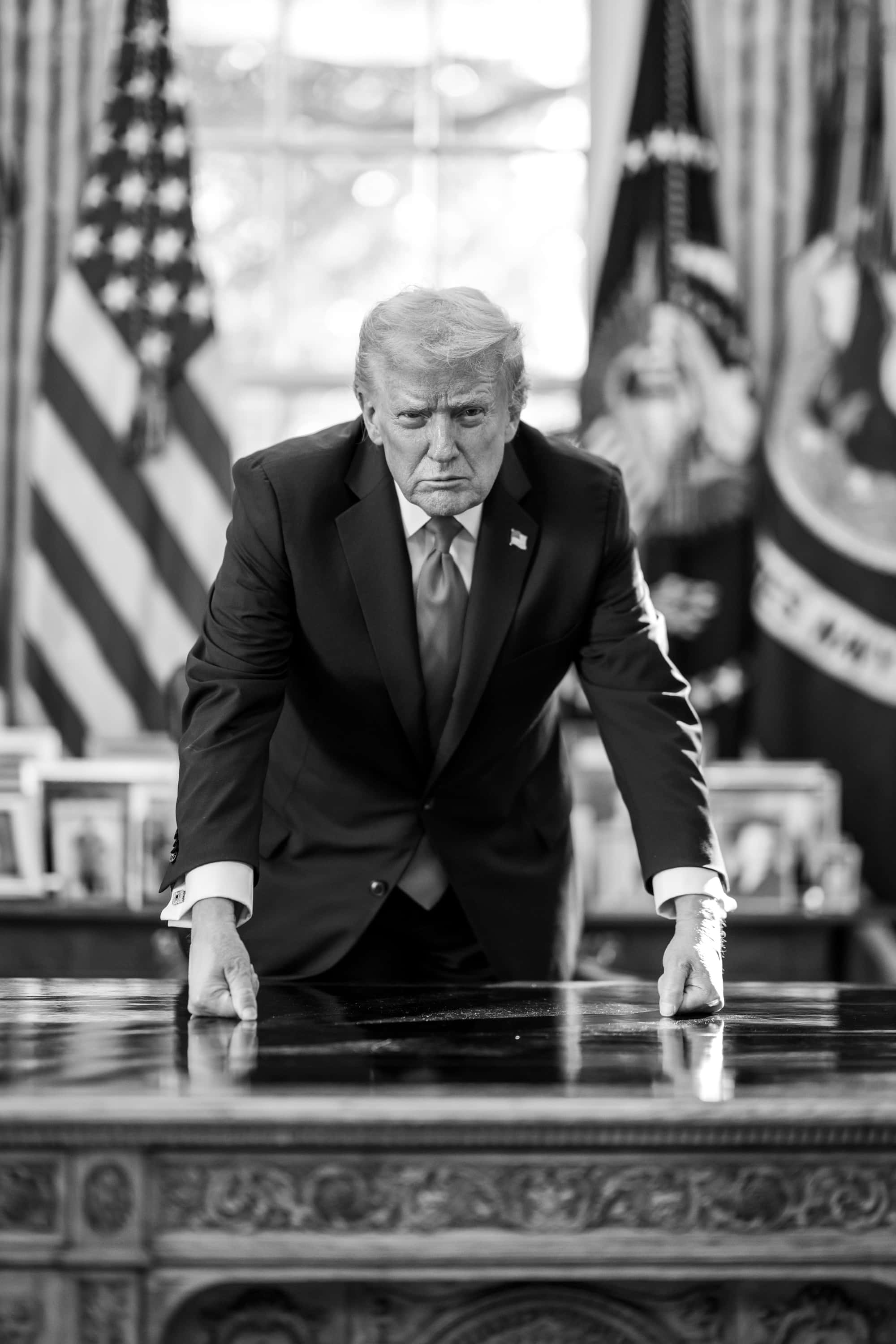 File photo · Jan 7, 2026 · Daniel Torok · Public domain · Source & license