Vance arrives in Switzerland for talks with Iranian negotiators amid rising Strait of Hormuz tensions
1 min readAnalysis by AlgoThesis Editorial Desk
Market Memory
What changed after the headline
The original read stays visible beside later evidence. Connections are editorial records, not ticker-only guesses.
Price since this story
Equal-weight basket · first close after publication
Price context does not establish that the story caused the move.
The story
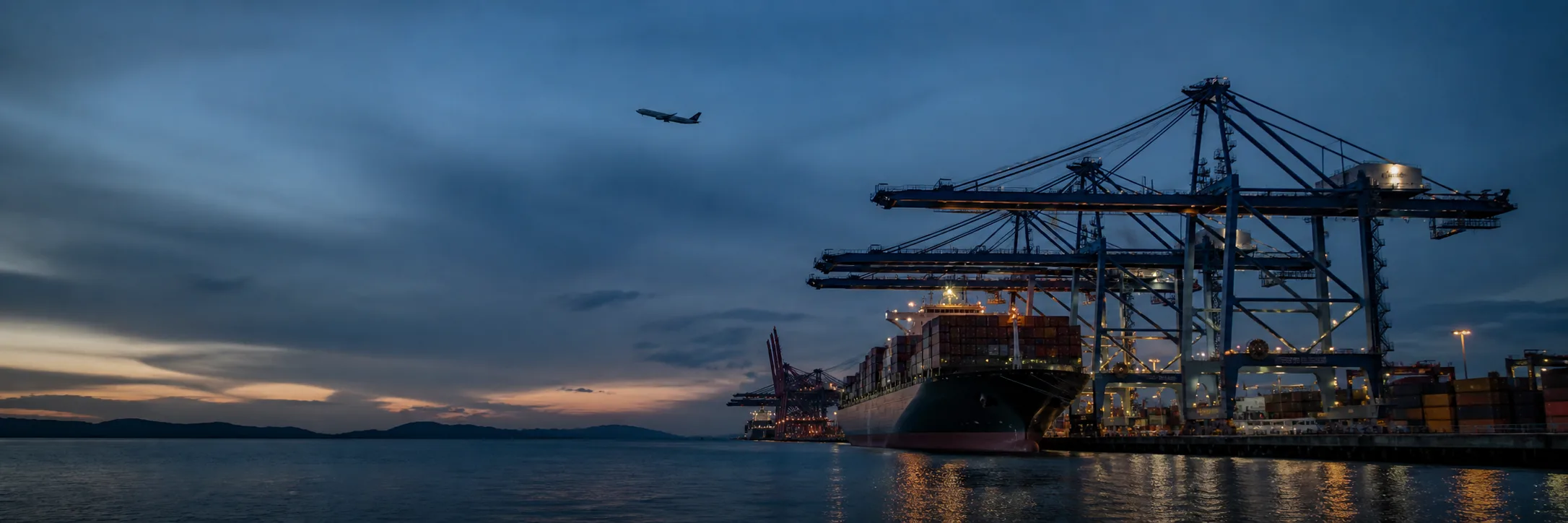
Iran's military announced a closure of the Strait of Hormuz in response to continued Israeli military operations in Lebanon, a claim the U.S. government disputes as VP Vance lands in Switzerland for emergency talks with Iranian counterparts. The strait handles an estimated 20-21 million barrels per day of crude and petroleum products — roughly one-fifth of global supply — making even a partial or contested closure a material tail risk for energy markets. Brent and WTI are the most direct expression, while tanker names and defense stocks historically spike on Hormuz headlines.
The diplomatic track (Vance in Switzerland) suggests both sides have an off-ramp, but the gap between Iran's claim and U.S. denial creates acute uncertainty in the near term. Key watches: whether Iran physically enforces the closure vs. a rhetorical posture, any U.S. Navy CENTCOM response, and whether the Swiss talks produce a de-escalation signal in the next 24-72 hours. Without ticker-level enrichment, the cleanest expression is crude oil futures and broad energy ETFs, with the setup being a genuine two-sided coin on whether diplomacy defuses or the closure becomes kinetic.
The two-sided take
The house read
Two-sidedWrong ifIf Vance's Swiss talks produce a quick de-escalation communique or Iran's closure is confirmed as rhetorical rather than physical, energy names reverse sharply and the long unwinds — this is a headline-driven setup with no fundamental earnings anchor.
Published read · research, not advice