Movement Through Strait of Hormuz Is Halted After Attack on Cargo Ship
1 min readAnalysis by AlgoThesis Editorial Desk
Market Memory
What changed after the headline
The original read stays visible beside later evidence. Connections are editorial records, not ticker-only guesses.
Price since this story
Equal-weight basket · first close after publication
Price context does not establish that the story caused the move.
The story
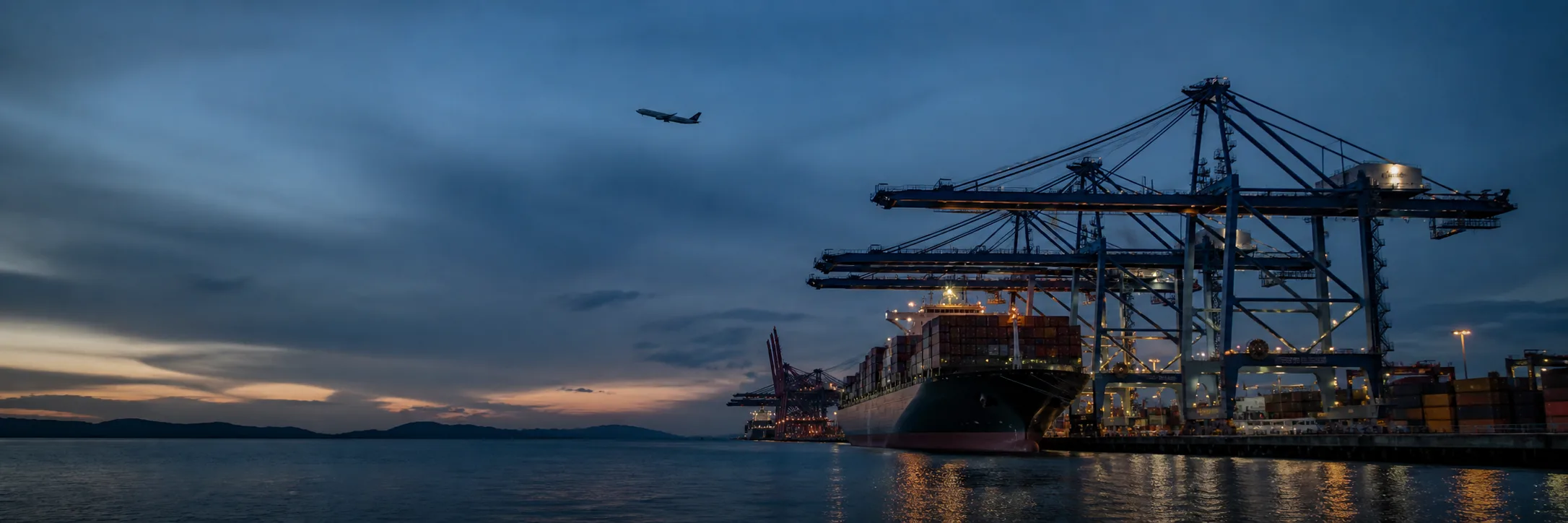
A cargo vessel was struck near the Omani coast, triggering a halt in commercial shipping traffic through the Strait of Hormuz. The UN's maritime agency subsequently paused its coordinated evacuation of ships from the Persian Gulf, signaling the threat level is serious enough to suspend ongoing operations rather than accelerate them. No immediate detail on the attacker or the vessel's flag state has been confirmed.
The Strait of Hormuz is the world's single most important oil chokepoint, handling roughly 20% of global petroleum liquids daily. Any sustained disruption — even a perceived one lasting days — historically injects a risk premium into Brent and WTI, lifts tanker day-rates, and sends defense and energy equities higher. This event touches crude benchmarks, oil majors (XOM, CVX, BP, SHEL), tanker operators (FRO, STNG, DHT), and defense contractors (RTX, LMT, GD) in varying degrees.
The key variable is duration and attribution. A one-off strike that resolves within 48 hours with no follow-on attacks typically sees the crude spike fade quickly; a sustained campaign or Iranian state attribution would reprice oil and defense equities structurally. Tanker operators are the most acute beneficiary in a prolonged scenario — both from rerouting demand and elevated day-rates — while refiners with Gulf exposure face margin compression from input-cost spikes.
Without ticker enrichment data the sizing case is harder to ground precisely, but the directional setup in energy and defense is clear: the bull case is a sustained disruption premium; the bear case is rapid de-escalation and the spike reverting within a week as has happened in prior Hormuz incidents. Confidence is moderate given the binary and fast-moving nature of geopolitical events.
The two-sided take
The house read
Two-sidedWrong ifRapid de-escalation or attribution to a non-state actor with no follow-on attacks would collapse the risk premium within hours, as seen in multiple prior Gulf of Oman incidents in 2019–2023 that reversed within 1–3 sessions.
Published read · research, not advice