Treasury yields hit generational highs as investors fear wider market fallout
Treasury yields have reached generational highs, prompting investors worldwide to worry about what stress could emerge across markets. The setup puts pressure on rate-sensitive assets and raises the possibility of broader financial-market disruption.
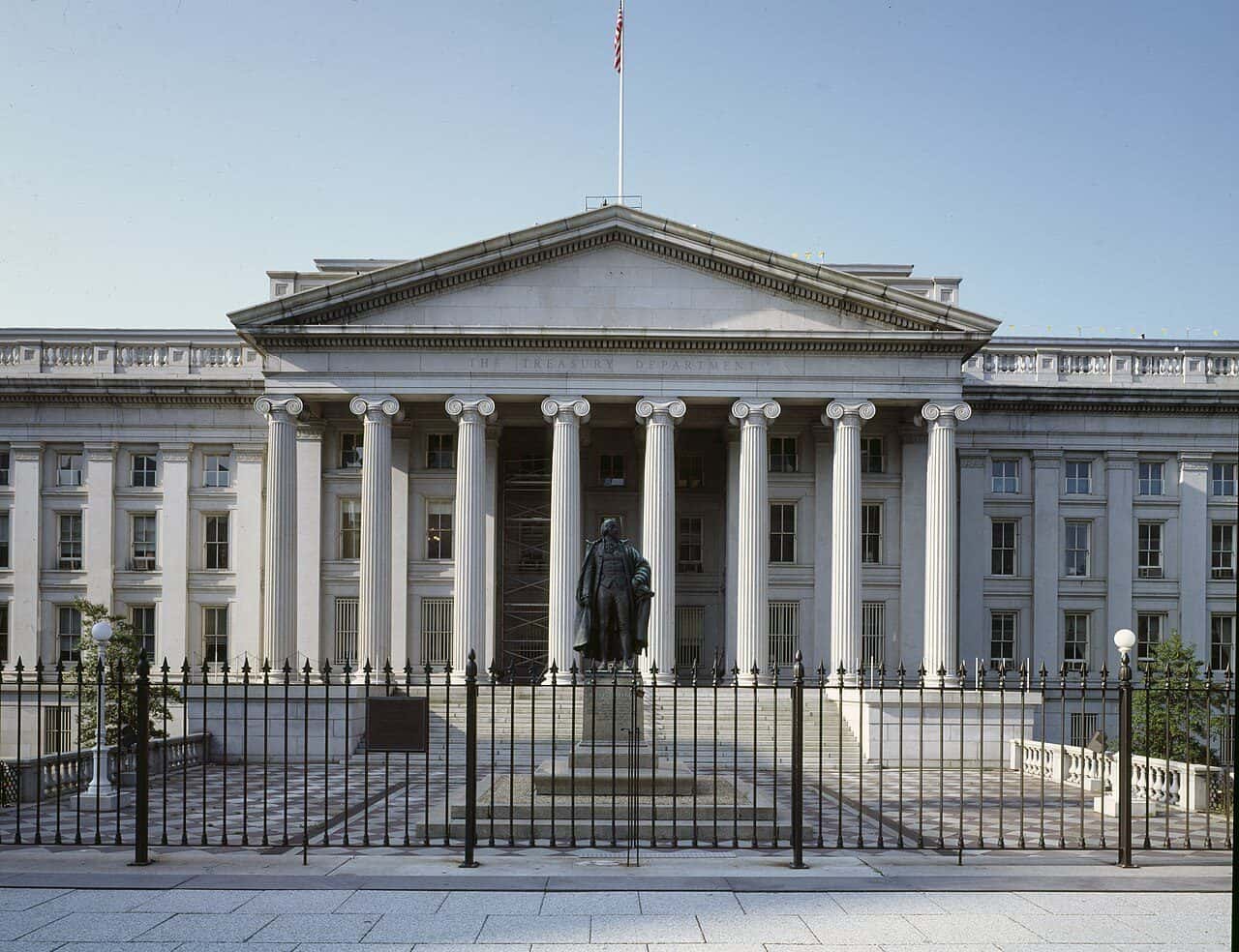 File photo · The US Treasury Building, Washington · date unknown · Carol M. Highsmith / Library of Congress · Public domain · Source & license
The story
Treasury yields have climbed to generational highs, according to MarketWatch, as investors around the world assess what could crack under the strain. The report frames the move as a market-wide concern rather than a problem confined to government bonds, citing fears of a spiral or wider fallout.
The immediate change is the level of yields: they have moved into territory not seen for a generation. That leaves investors focused on how higher borrowing costs may interact with existing positions and leverage across global markets.
The story touches government bonds first, then the broader set of assets priced against them. Higher Treasury yields can reset financing conditions for companies, households and financial institutions, although the specific points of stress remain unresolved.
The reporting presents the concern as a warning about possible consequences, not as evidence that a particular market failure has already occurred. The path from elevated yields to a broader break is uncertain, and the areas most vulnerable have yet to be identified.
The next signposts are the direction of Treasury yields, evidence of stress in credit and funding markets, and any policy response if volatility spreads. Investors will also be looking for whether the yield rise stabilizes or continues to test generational highs.
Our read · Sat, Oct 3
Treasury yields have reached generational highs as investors worldwide assess potential cracks across financial markets.
Why. The immediate consequence is tighter financing across markets, but the article frames the damage as a possibility rather than an identified break. Without a single company or dated event to anchor the read, the setup remains a macro stress watch rather than a directional equity call.
Both cases
What could change this view: The concern fades if Treasury yields stabilize and credit and funding markets absorb the move without visible stress.
Who reported it · 2
Keep reading
Latest on the Wire
Walmart raises full-year outlook as e-commerce wins shoppersAnthropic IPO could become the largest in US history on ThursdayContinuing claims rise as Goldman sees Fed hikes in December and MarchPIF Tower in Riyadh reportedly damaged in second Houthi attackTrump Media buys back $100 million of notes ahead of Nov. 30 cash demandContinue on the Wire →Latest on the Wire
Biohaven reports confirmed BHV-1530 responses in two FGFR3 cancersTrump, Xi and Putin pledge more refined fuel after first trilateral summitSky reserve linked to $518 million in illicit activity, investigation findsBitcoin nears $64,000 as Anthropic IPO lifts Nasdaq futures nearly 2%Continue on the Wire →Top this week
Nvidia allies lobby board to bring back Jensen Huang as CEONvidia chair rules out Huang return as CEO after 75% sales outlookNvidia interim CEO Colette Kress faces first earnings test after HuangAnthropic Said to Guide IPO Pricing Above Market RangeNvidia CEO Jensen Huang reportedly resigns as US-China tensions riseAbout this report
Reported by MarketWatch as As Treasury yields touch generational highs, investors brace for the market fallout
, . Who answers for this
2 reports from 2 publishers in this record. Closes are licensed end-of-day data from Databento; the move after a story is its first close against the close before it. How this is decided →
Kept as written · your side, if you take one, is graded privately against licensed closes after 10 trading days · nothing here is advice · How the Wire is made →