UN halts escort of ships through Hormuz after vessel comes under attack
1 min readAnalysis by AlgoThesis Editorial Desk
Market Memory
What changed after the headline
The original read stays visible beside later evidence. Connections are editorial records, not ticker-only guesses.
Price since this story
Equal-weight basket · first close after publication
Price context does not establish that the story caused the move.
The story
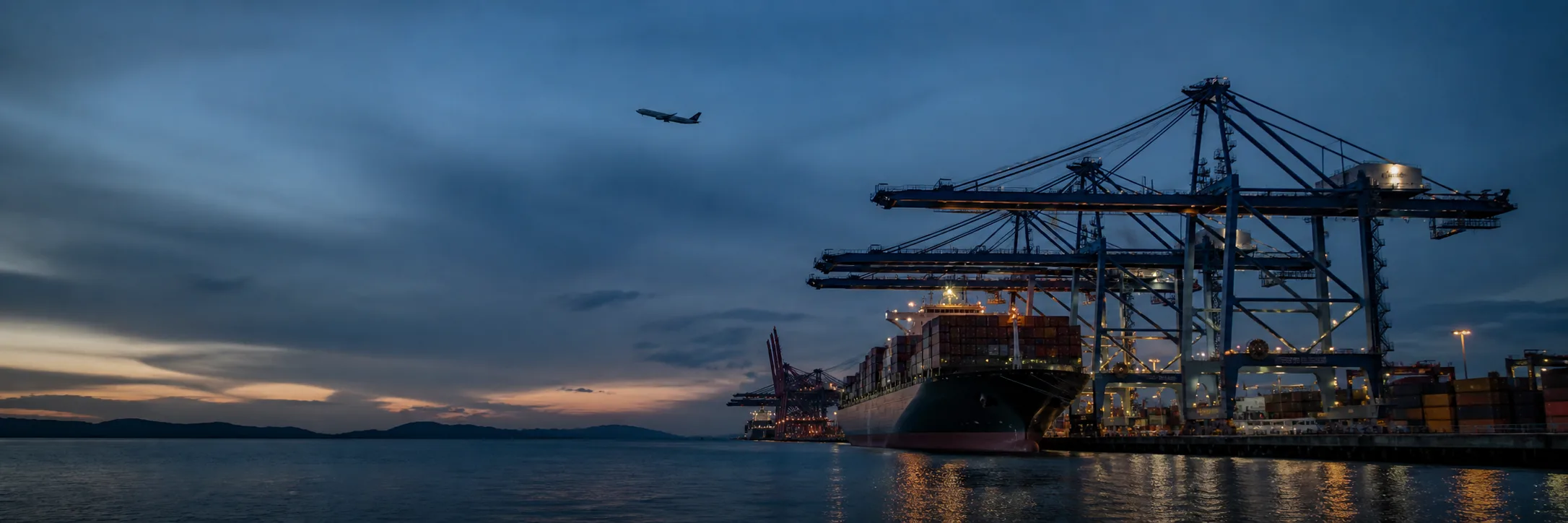
The United Nations has halted its maritime escort program through the Strait of Hormuz following an attack on one of its vessels, a significant escalation that removes a key layer of protection for commercial shipping in the region. The Strait of Hormuz is the single most critical oil chokepoint on the planet, with approximately 20% of global petroleum supply — around 17–18 million barrels per day — transiting through it daily. The suspension of UN escorts signals that the threat environment has become severe enough that the UN itself no longer considers protection viable.
The immediate market implication is a risk premium re-entry into crude oil prices, which had largely priced in a stable if tense passage through the strait. Tanker operators, integrated oil majors with Middle East exposure, and defense and maritime security names all become relevant in this environment. On the flip side, energy-intensive industrials, airlines, and shipping-dependent consumer goods companies face margin pressure if crude spikes.
The bull case for crude and energy equities rests on a simple supply-shock logic: if even partial rerouting of tanker traffic around the Cape of Good Hope occurs, effective supply tightening and freight cost inflation hit simultaneously. The bear case is that this is a temporary, tactical disruption — prior Hormuz incidents, including Houthi attacks in the Red Sea, have triggered sharp but short-lived commodity spikes without fundamentally breaking supply chains.
Key things to watch: whether any major flag-state navies step in to fill the escort vacuum, whether tanker insurance underwriters begin applying war-risk surcharges to Hormuz transits, and how Iran officially responds. The absence of specific ticker enrichment limits conviction here, but the macro energy setup is directionally clear. Crude futures (WTI, Brent) and tanker equities are the primary instruments to watch on open.
The two-sided take
The house read
Two-sidedWrong ifRapid diplomatic resolution or major naval power (US, UK) announcing a replacement escort coalition would deflate the risk premium within 24-48 hours; tanker names are highly volatile and reverse hard on de-escalation headlines.
Published read · research, not advice