Donald Trump rejects calls from tech bosses for an AI slowdown
Donald Trump has rejected calls from technology executives for a slowdown in artificial-intelligence development, denouncing demands for regulation as existential fears about the technology move higher in US politics. The stance keeps Washington’s AI policy tilted toward continued deployment rather than an industry pause, leaving the regulatory path unsettled for technology companies.
The Financial Times reported that President Donald Trump rejected calls from technology bosses for an AI slowdown and denounced demands for regulation. The report framed the dispute around existential fears over the technology and its growing prominence in US politics.
The development follows a widening argument over how quickly AI should advance and how much government should intervene. Trump’s position places him against executives seeking a slowdown, but the report did not establish a specific policy proposal, timetable, executive action or legislative outcome.
The immediate connection to the market is broad rather than company-specific: AI developers and infrastructure providers could face fewer near-term political barriers if deployment remains the priority, while companies seeking clearer safety or liability rules still face uncertainty. No individual company, contract, financial figure or regulatory measure was identified in the report.
The reporting did not say whether Trump’s position represents a settled administration policy, nor did it quantify the economic effect on the AI industry. It also did not identify which technology executives made the calls or describe the form of slowdown they sought.
The next signpost is a concrete US policy action on AI regulation or deployment. Until then, the key open questions are whether the administration converts its stance into rules, and whether opposition from technology leaders produces a more detailed political response.
The statement is broadly supportive of continued AI deployment but leaves no company-specific catalyst or investable single-name read.
The immediate implication is a policy signal favoring continued AI development, but the report supplies no rule, implementation date or named company through which to express a directional trade. The absence of a concrete measure leaves both the potential benefit of reduced regulatory friction and the risk of future political intervention unresolved.
A subsequent US AI rule, legislative measure or enforcement action could reverse the policy signal.
CoverageSource: Financial Times · Published here SUN, SEP 13 · 5:34 PM ET · the only report in this recordHow this is decided →
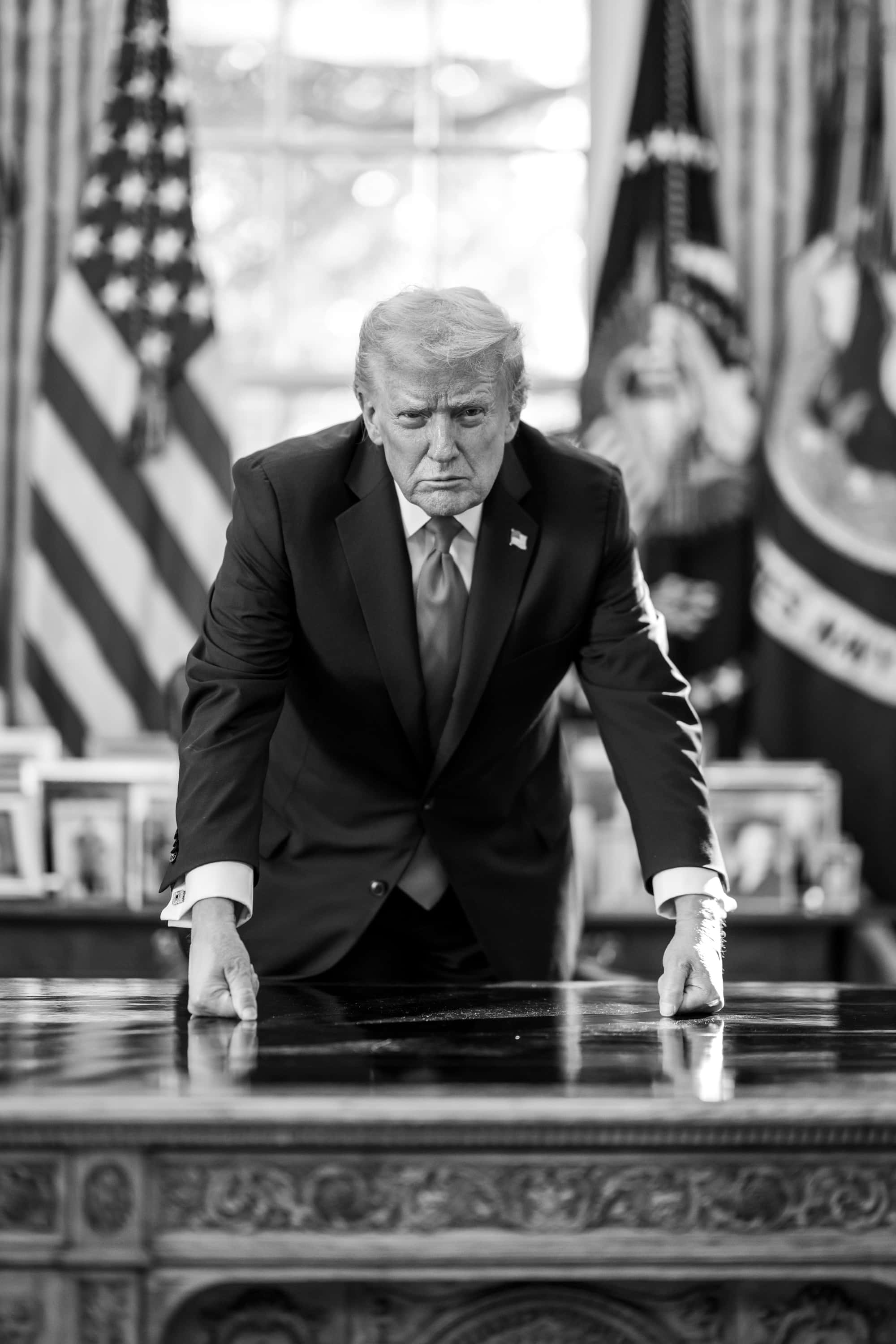 File photo · Jan 7, 2026 · Daniel Torok · Public domain · Source & license
Earlier context and later coverage are dated relative to this report. Automatically linked reports may cover a broader event.
No later reports linked yet.
Follow this story to find new evidence in your Following desk.
Continued White House opposition to an AI slowdown could reduce near-term political friction for companies developing and deploying the technology.
Limited bear case from this report alone: Trump’s rejection does not remove existential concerns or establish that future regulation will be lighter.
Kept as written · your side, if you take one, is graded privately against licensed closes after 10 trading days · nothing here is advice · How the Wire is made →