Eastern US power grid operator orders emergency curbs as electricity use nears record
1 min readAnalysis by AlgoThesis Editorial Desk
Market Memory
What changed after the headline
The original read stays visible beside later evidence. Connections are editorial records, not ticker-only guesses.
Price since this story
Equal-weight basket · first close after publication
Price context does not establish that the story caused the move.
The story
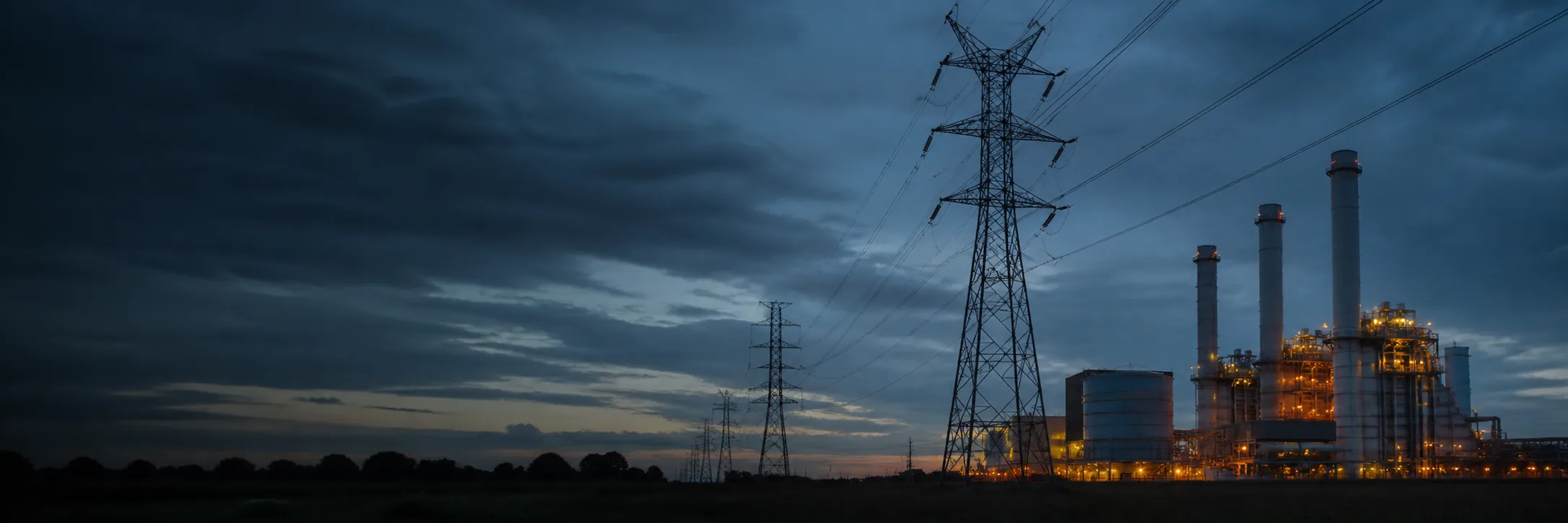
PJM Interconnection, the grid operator managing electricity for roughly 65 million people across 13 states in the Eastern US, has triggered emergency demand-curtailment protocols as power consumption approached record highs. These protocols typically involve asking large industrial users to cut consumption and can foreshadow broader reliability actions. No specific megawatt figures or temperature readings were included in the headline, but such emergency orders are rare and reserved for conditions when available generation reserves fall dangerously thin.
The event is directly relevant to power generators and utilities operating inside the PJM footprint — names like Constellation Energy (CEG), Vistra (VST), NRG Energy (NRG), and FirstEnergy (FE) are among the largest players. Merchant generators with unhedged capacity benefit most during grid stress events, as spot power prices can spike dramatically. Regulated utilities face a more mixed picture, as emergency conditions can expose grid reliability risk and attract regulatory scrutiny.
The second-order setup centers on whether this event is an isolated weather-driven spike or evidence of a structural capacity shortfall that has been widely flagged by PJM in its recent capacity auctions. PJM's 2025 capacity auction cleared at dramatically higher prices than prior years, reflecting a tightening reserve margin — this emergency appears to validate that concern in real time. For merchant generators like CEG and VST, high spot power prices directly boost realized revenues, and both stocks have already re-rated substantially on the capacity story.
What to watch: whether PJM escalates to a full emergency alert (EEA Level 2 or 3), the duration of the curtailment event, and any subsequent commentary from grid operators or FERC about reserve adequacy. Longer-duration stress events historically drive follow-on regulatory and legislative action, which can be a multi-month tailwind for capacity-heavy generators. Bears would note that these events are typically short-lived temperature extremes and that merchant generators are already pricing in significant capacity scarcity.
The two-sided take
The house read
Two-sidedWrong ifIf the event resolves within hours on a single temperature spike, the catalyst dissipates and stocks that have already run on the capacity thesis could give back gains quickly; a cooler-than-expected demand outlook or demand-response success could undercut the urgency.
Published read · research, not advice