Trump agrees to stricter ethics rules to save Clarity Act crypto bill: AP
President Donald Trump agreed to expanded conflict-of-interest rules and state-level enforcement powers to secure key Senate votes for the Clarity Act, according to the Associated Press. The concessions improve the bill’s legislative prospects but leave its final scope and timing dependent on Senate negotiations.
The Associated Press reported that President Donald Trump agreed to broader conflict-of-interest rules and enforcement powers for states as part of an effort to win key Senate votes for the Clarity Act. The agreement is aimed at resolving objections that had threatened support for the crypto market-structure legislation.
The development changes the bill’s political position from a vote-counting problem to a negotiation over the boundaries of ethics oversight and state authority. CoinDesk did not report the number of Senate votes secured, the precise language of the concessions, or a timetable for floor action.
The immediate parties are the Trump administration, Senate supporters of the Clarity Act and states seeking a larger role in enforcement. The mechanism for crypto markets is legislative: expanded federal ethics restrictions could affect public officials’ conflicts, while state-level powers could alter how crypto businesses are supervised if the bill becomes law.
The reporting does not establish that the Senate has passed the bill or that the concessions guarantee enactment. The next decisive markers are the final compromise text, any announced Senate vote and the treatment of state enforcement in that text.
The Clarity Act gains a clearer route through the Senate, but the concessions leave crypto regulation exposed to a broader and potentially more fragmented enforcement framework.
The political upside is a better chance that the Clarity Act advances, but the same compromise could broaden state enforcement and increase regulatory complexity for crypto businesses. With no company-specific data or dated vote supplied, the evidence supports a policy setup rather than a single-name trade.
The tradeable read fails if the Senate compromise collapses or materially changes the scope of state enforcement and ethics restrictions.
CoverageSource: CoinDesk · Published here MON, SEP 14 · 8:07 AM ET · the only report in this recordHow this is decided →
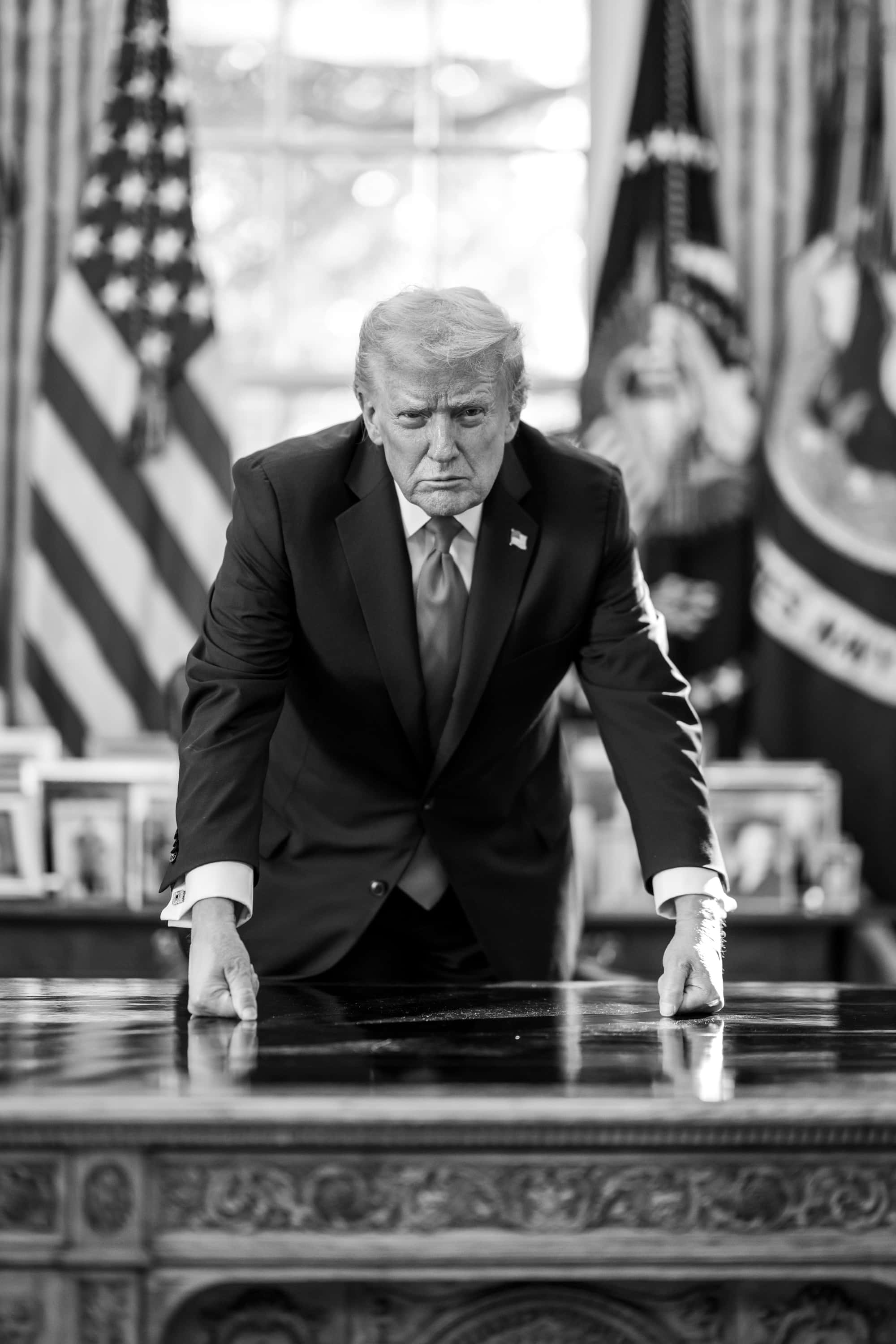 File photo · Jan 7, 2026 · Daniel Torok · Public domain · Source & license
Earlier context and later coverage are dated relative to this report. Automatically linked reports may cover a broader event.
No later reports linked yet.
Follow this story to find new evidence in your Following desk.
Trump’s agreement to expanded conflict-of-interest rules and state-level enforcement powers addresses objections that were blocking key Senate votes and improves the bill’s path forward.
The concessions may produce a more fragmented regulatory regime, and the reporting does not establish that enough votes are secured or that the Senate will hold a vote.
Kept as written · your side, if you take one, is graded privately against licensed closes after 10 trading days · nothing here is advice · How the Wire is made →