Trump: Houthis 'Don't Want' US In Yemen - So They're Letting Most Red Sea Shipping Through
President Donald Trump said the Houthis do not want the United States in Yemen and have pledged to let ships pass through the Bab al-Mandab Strait. The claim points to a possible easing of Red Sea disruption, but its durability depends on Houthi compliance and the broader conflict.
Speaking to reporters in Ireland on Saturday while meeting Prime Minister Micheál Martin, Trump said the Houthis were in contact with him and had indicated that ships could continue through the Bab al-Mandab Strait. He also said the group does not want the United States in Yemen. The remarks followed reports that Saudi Crown Prince Mohammed bin Salman had sought urgent US military assistance as Houthi forces rapidly took control of Yemen’s Red Sea coast from forces aligned with the internationally recognized government in Sanaa.
The reported shift would mark a change from the period of heightened concern over Red Sea transit, when attacks or threats from Yemen forced vessels to reassess passage through the waterway. The source excerpt does not establish how many ships have already changed route, when any understanding with the Houthis began, or whether a formal agreement exists.
The direct mechanism is maritime access: reliable passage through Bab al-Mandab could reduce delays, rerouting and security costs for container ships, tankers and other vessels using the Red Sea corridor. It could also ease pressure on freight and supply chains connected to Europe and the Middle East, although no company-specific exposure is identified in the reporting.
The claim rests on Trump’s account of Houthi contacts rather than on a public statement from the group or a disclosed agreement. ZeroHedge did not report the Houthis’ response, the conditions attached to their pledge, or whether Saudi Arabia’s request for assistance remains active. The rapid Houthi advance described in the report is an opposing fact that leaves the security situation unsettled.
The next evidence will be operational rather than rhetorical: whether commercial carriers resume or maintain Bab al-Mandab transits, whether attacks or threats recur, and whether Washington or the Houthis publish terms. No dated event is identified in the reporting that would settle the durability of the claim.
The remarks are a modest relief for Red Sea shipping risk, but the lack of a disclosed Houthi agreement keeps the geopolitical read mixed.
The immediate implication is lower disruption risk for vessels using Bab al-Mandab, which could improve transit reliability if the pledge is genuine and sustained. That relief is offset by the absence of a public Houthi confirmation or disclosed terms, alongside the reported rapid expansion of Houthi control on Yemen’s Red Sea coast.
A renewed attack, a failed US-Houthi understanding, or further Houthi territorial gains would quickly reverse the shipping-risk relief.
CoverageSource: ZeroHedge · Published here SAT, SEP 12 · 4:55 PM ET · the only report in this recordHow this is decided →
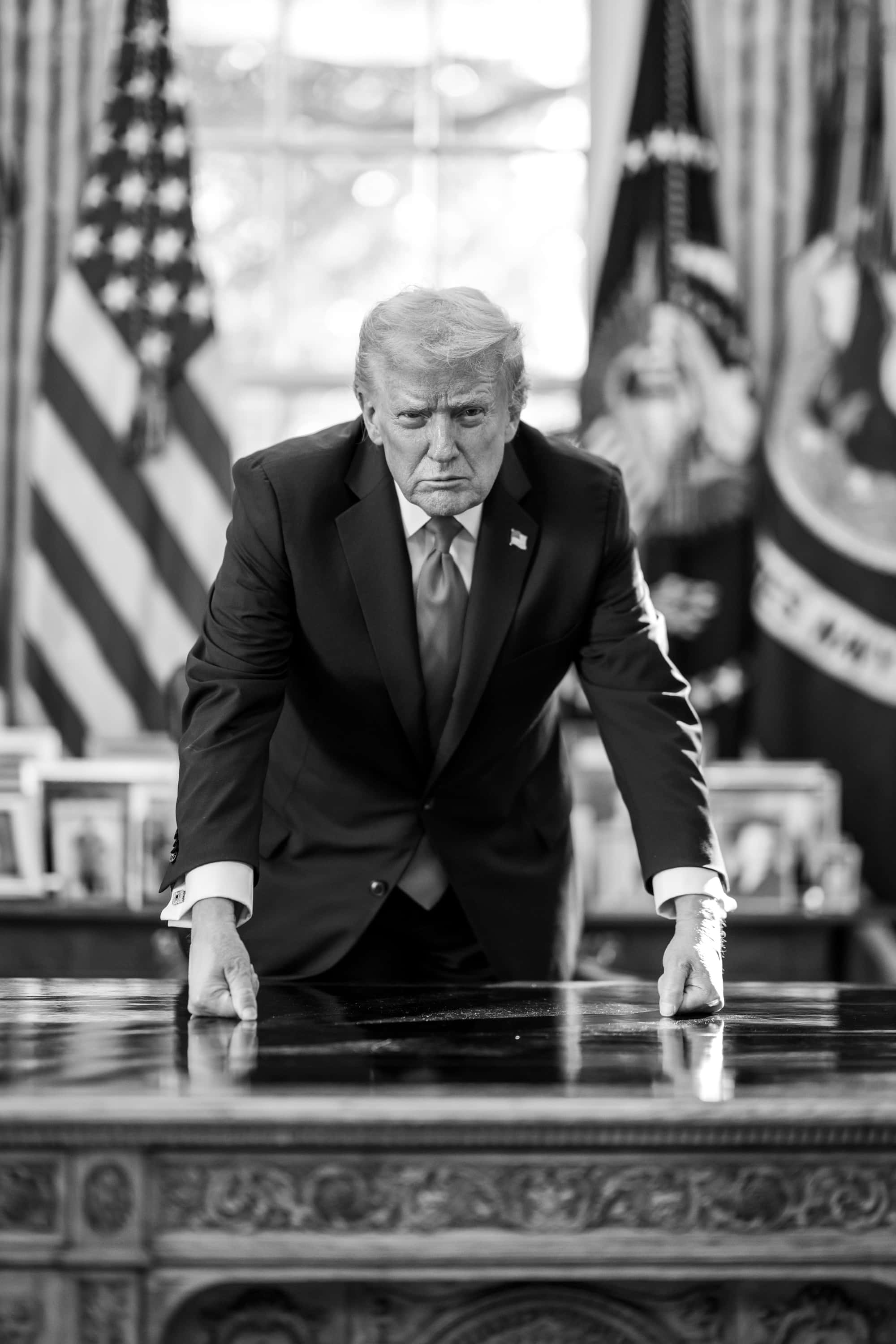 File photo · Jan 7, 2026 · Daniel Torok · Public domain · Source & license
Earlier context and later coverage are dated relative to this report. Automatically linked reports may cover a broader event.
No later reports linked yet.
Follow this story to find new evidence in your Following desk.
Trump’s statement that the Houthis will let ships through Bab al-Mandab provides a concrete diplomatic basis for carriers to reconsider costly diversions.
The bear case is stronger on verification: no Houthi confirmation or agreement terms are reported, while the group’s reported rapid takeover of Yemen’s Red Sea coast points to continuing security risk.
Kept as written · your side, if you take one, is graded privately against licensed closes after 10 trading days · nothing here is advice · How the Wire is made →