Trump Puts Tariffs of Up to 100% on Foreign-Made Drones
The Trump administration has imposed tariffs of up to 100% on foreign-made drones, while the F.C.C. considers restrictions on technologies including thermal imaging and aerosol spraying. The measures raise costs and compliance risk across the commercial drone supply chain, but no single publicly traded company is identified as the immediate winner.
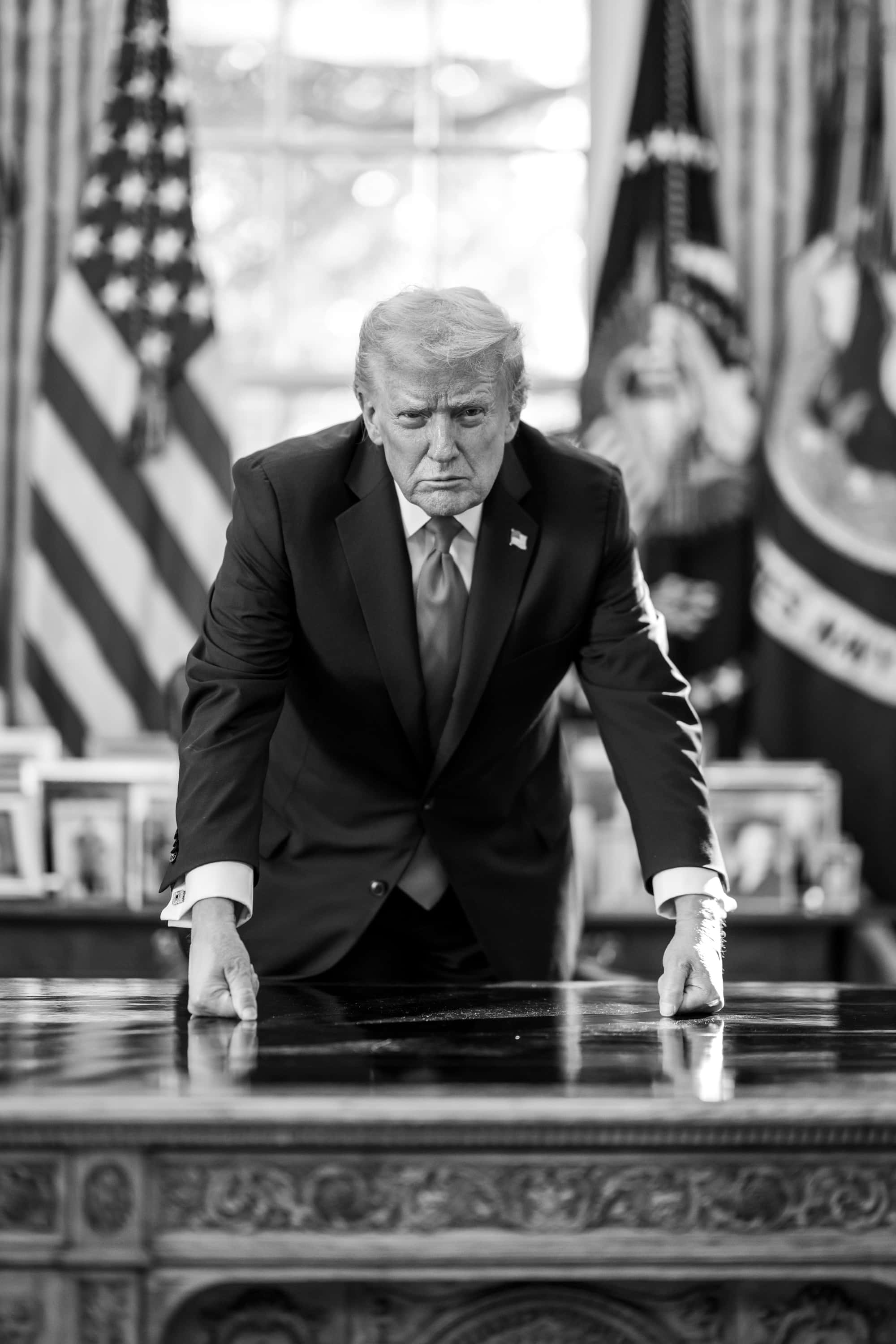 File photo · Jan 7, 2026 · Daniel Torok · Public domain · Source & license
The Trump administration has imposed tariffs of up to 100% on drones made overseas, according to the New York Times Business report published September 3. The policy is paired with a separate F.C.C. review of restrictions on common drone capabilities, including thermal imaging and aerosol spraying.
The action adds trade policy to an existing national-security debate around drone hardware and software. Foreign-made systems have been widely used across commercial and government applications, while restrictions on technology features could affect the usefulness of equipment even when the aircraft itself is assembled domestically. The latest measures therefore extend beyond a simple change in import costs: they could also alter which products can be sold or deployed in the United States.
The direct corporate mechanism is clearest for drone makers and distributors that rely on imported aircraft, components or finished systems. Tariffs can raise landed costs, compress margins or force price increases, while F.C.C. limits on thermal imaging could affect surveillance, inspection and public-safety products. Restrictions on aerosol spraying could reach agricultural and industrial uses.
Important details remain unresolved. The headline specifies tariffs of up to 100%, but not the products or countries facing the maximum rate. The F.C.C. is weighing restrictions rather than announcing a final rule, so the scope and timing of any technology limits are uncertain. Whether domestic producers have enough capacity to replace foreign-made systems or components is unclear.
The next useful markers are the publication of the tariff implementation details and any F.C.C. decision on thermal imaging or aerosol-spraying technology. The affected product classifications, effective dates, exemptions and final regulatory language would determine which manufacturers and users bear the largest impact.
With no named public-company beneficiary or ticker enrichment, the tariff and F.C.C. proposals create a sector-wide regulatory shock rather than a grounded single-name read.
The immediate trade implication is dispersion within the drone supply chain, but no investable listed company is identifiable from available information. The deciding inputs are the tariff classifications and effective dates, followed by the F.C.C.'s final treatment of thermal imaging and aerosol spraying technology.
A published tariff schedule or F.C.C. rule could identify a listed domestic supplier as a clear beneficiary, or carve out the technologies and products most exposed to the policy.
CoverageSource: NYT Business · Published here THU, SEP 3 · 12:01 AM ET · the only report in this recordHow this is decided →
Earlier context and later coverage are dated relative to this report. Automatically linked reports may cover a broader event.
No later reports linked yet.
Follow this story to find new evidence in your Following desk.
Domestic drone manufacturers could gain share if tariffs materially raise the cost of imported finished systems and components.
The evidence does not support a specific public-company bear case because no ticker, affected supplier, tariff classification or company exposure was provided.
Kept as written · your side, if you take one, is graded privately against licensed closes after 10 trading days · nothing here is advice · How the Wire is made →