Trump Signs Memo To Remove Canadian Goods From US Federal Procurement
President Donald Trump signed a Sept. 16 memorandum directing the removal of Canadian-origin goods from the U.S. federal civil procurement system. The measure raises procurement and retaliation risks for companies tied to cross-border government supply chains.
The memorandum directs the Office of Management and Budget, the United States Trade Representative and the federal acquisition system to remove Canadian-origin goods from U.S. federal civil procurement. President Donald Trump signed it on Sept. 16, following through on a commitment made earlier this month.
The action targets government purchasing rather than Canadian goods across the entire U.S. market. Its practical effect will depend on how federal agencies define Canadian origin, implement the procurement changes and handle contracts already in place.
The measure touches Canadian manufacturers and suppliers that rely on U.S. federal buyers, as well as U.S. contractors whose sourcing or subcontracting includes Canadian-origin products. The named agencies will shape the implementation through procurement rules and guidance.
The immediate commercial impact remains uncertain because the memorandum's operational application, contract treatment and potential Canadian response are not established here. The policy also creates a risk of reciprocal measures affecting U.S. suppliers seeking Canadian government business.
Next markers are the agencies' implementation instructions, changes to federal solicitations and any response from Canadian authorities. The scale of the effect will turn on the categories covered, the treatment of existing agreements and the share of affected suppliers' revenue tied to federal civil procurement.
The memorandum shifts procurement and retaliation risk across U.S.-Canada government supply chains, but no single public company is identified.
The consequence is a policy-driven reallocation of federal procurement demand, with the eventual burden determined by agency rules and the treatment of existing contracts. Without a named company or quantified exposure, the read stays cross-sector and balanced between lost access for Canadian suppliers and possible substitution opportunities for U.S. vendors.
The policy could be narrowed in implementation, delayed, or met with Canadian retaliation that affects U.S. suppliers.
CoverageSource: ZeroHedge · Published here FRI, SEP 18 · 8:55 PM ET · the only report in this recordHow this is decided →
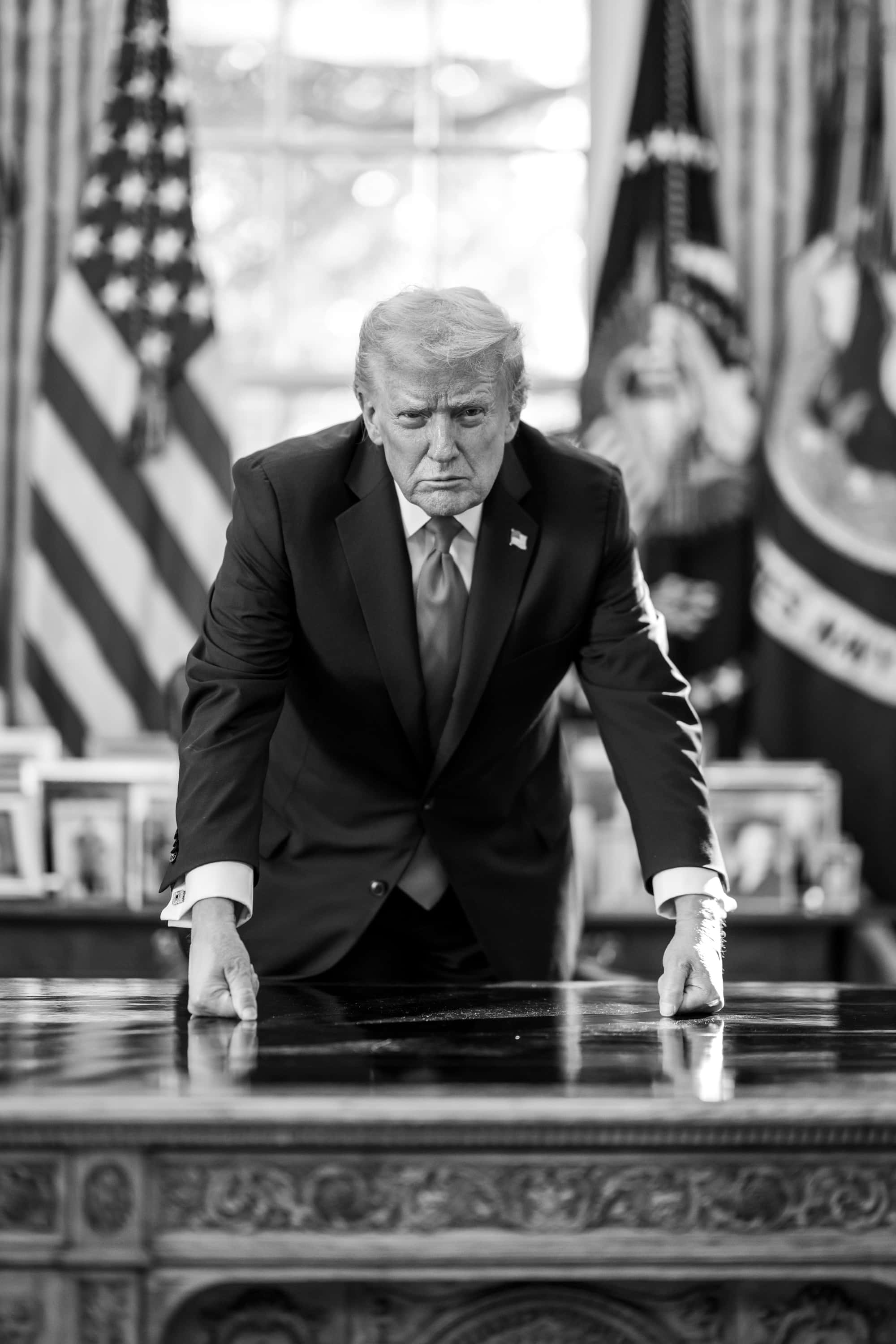 File photo · Jan 7, 2026 · Daniel Torok · Public domain · Source & license
Earlier context and later coverage are dated relative to this report. Automatically linked reports may cover a broader event.
No later reports linked yet.
Follow this story to find new evidence in your Following desk.
U.S. suppliers could gain federal procurement share if agencies broadly exclude Canadian-origin goods from new purchases.
The measure could disrupt cross-border supply chains and invite Canadian countermeasures, while its company-level impact remains unquantified.
Kept as written · your side, if you take one, is graded privately against licensed closes after 10 trading days · nothing here is advice · How the Wire is made →