Meta to put AI chip into production in September as it looks to double computing capacity, memo shows
1 min readAnalysis by AlgoThesis Editorial Desk
Market Memory
What changed after the headline
The original read stays visible beside later evidence. Connections are editorial records, not ticker-only guesses.
Price since this story
Equal-weight basket · first close after publication
Price context does not establish that the story caused the move.
The story
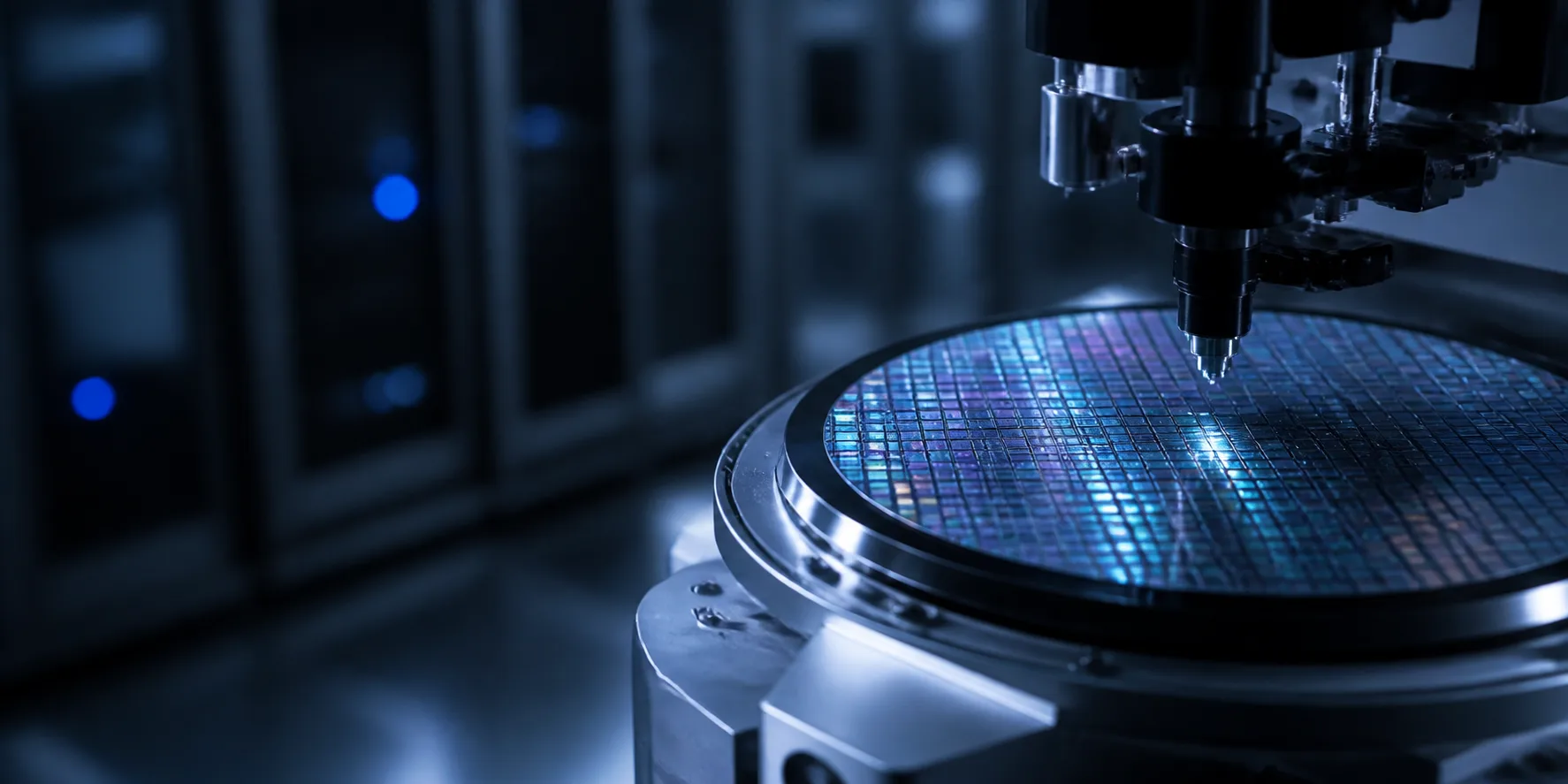
Meta is preparing to move its proprietary AI chip into full production in September, according to an internal memo reported by Investing.com. The initiative is tied to an ambitious goal of doubling the company's total computing capacity — a signal that Meta is treating AI infrastructure as a core strategic asset rather than a vendor-dependent cost center.
For Meta, the stakes are significant. With FY revenue at $201B (+22% YoY) and a 30% net margin, the company has the cash flow to self-fund a serious chip program. Internalizing silicon cuts unit economics over time and tightens control over the AI training and inference stack — the same playbook that gave Google a long-run cost edge with TPUs.
The second-order read is on Nvidia. If Meta's in-house chip gains traction across its internal workloads, it reduces one of Nvidia's largest hyperscaler customers' dependency on H100/H200 purchases at the margin. AMD and custom-chip plays like Marvell (MRVL) or Broadcom (AVGO) — which help design merchant silicon — could see mixed read-throughs depending on their exposure to Meta's supply chain.
The bull case for META itself is that successful chip production improves long-run margins and keeps CapEx more productive, compounding the already-strong earnings trajectory. The bear case is execution risk: in-house silicon programs are notoriously expensive and slow to reach competitive performance parity, and any stumble would force Meta back toward Nvidia at scale.
Key things to watch: the September production ramp timeline, any performance benchmarks Meta releases, and whether Nvidia management comments on Meta's custom-silicon efforts in its next earnings call.
The two-sided take
Wrong if
In-house chip programs have a high failure rate at performance parity — if Meta's silicon underperforms against Nvidia H100/H200 benchmarks post-launch, the company could face a costly pivot back to external procurement, and the margin thesis collapses. Any delay past September would also reset the catalyst timeline.
Published read · research, not advice