Iran’s IRGC navy says Strait of Hormuz closed until further notice, state media reports
1 min readAnalysis by AlgoThesis Editorial Desk
Market Memory
What changed after the headline
The original read stays visible beside later evidence. Connections are editorial records, not ticker-only guesses.
Price since this story
Equal-weight basket · first close after publication
Price context does not establish that the story caused the move.
The coverage · 2 reports
- Investing.comFirst reportIran’s IRGC navy says Strait of Hormuz closed until further notice, state media reports ↗
- Investing.comLatest
The story
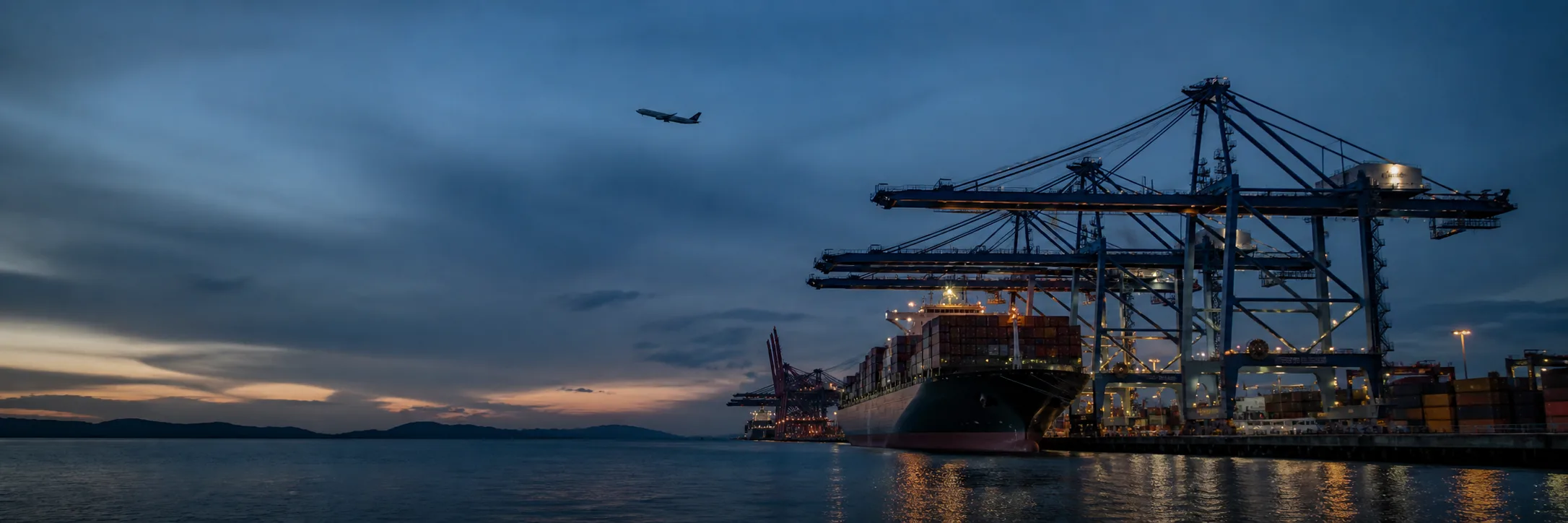
Iranian state media is reporting that the Islamic Revolutionary Guard Corps (IRGC) navy has declared the Strait of Hormuz closed until further notice. The Strait of Hormuz is the single most critical oil chokepoint in the world, through which roughly 20–21 million barrels per day of crude and petroleum products flow — approximately one-fifth of global oil supply.
A confirmed closure would immediately affect crude benchmarks (Brent, WTI), LNG tanker flows to Asia, and the broader energy complex. Tanker operators, major Gulf exporters (Saudi Aramco, ADNOC), and global refiners with Middle East exposure would all be in the blast radius. U.S. defense and defense-adjacent names could also see flows.
The critical unknown is whether this is a genuine military closure backed by force, a political signal, or a temporary escalation tactic. Past IRGC threats to close the strait have not resulted in sustained blockades, and the U.S. Fifth Fleet is based in Bahrain. Markets will reprice immediately on the headline but the durability of any spike depends entirely on confirmation and U.S./international response.
The bull case for energy is straightforward — a sustained closure is an unprecedented supply shock. The bear case is that this resolves quickly as a bluster move, as prior IRGC threats have historically done, and any crude spike fades hard on de-escalation. Verification of this headline is the single most important variable to watch.
The two-sided take
Wrong if
Prior IRGC Hormuz closure threats have universally been political signaling that reversed quickly; if U.S. Fifth Fleet or diplomatic channels defuse the situation within hours, crude gives back the spike sharply and longs are stopped out on the reversal.
Published read · research, not advice