As Warsh and the Fed contemplate fewer meetings, markets brace for potential volatility ahead
Kevin Warsh’s Fed is considering fewer policy meetings, while his early tenure has already reversed parts of the institution’s established culture. A less frequent meeting calendar could increase the market’s sensitivity to incoming data and widen volatility around policy shifts.
Since taking office in May, Kevin Warsh has introduced several measures that reverse decades of Federal Reserve culture, according to CNBC. The latest issue is a possible reduction in the number of Fed meetings, a change that would alter the cadence of policy communication and decisions.
Fewer meetings could leave markets with fewer formal opportunities to update expectations about interest rates and the Fed’s reaction function. That makes each meeting, speech and major economic release more consequential for rates, currencies and risk assets.
The immediate setup is therefore about volatility rather than a clear directional signal for equities or bonds. A more disruptive policy transition could amplify repricing, while a credible and well-communicated framework could limit the reaction. The next focus is whether the Fed formally changes its meeting schedule and how officials frame the effect on policy responsiveness.
The possible shift to fewer Fed meetings raises the volatility premium across rates and macro markets.
A less frequent meeting schedule could make each policy decision and intervening economic release more market-moving. With no ticker-specific enrichment and no stated implementation details, the evidence supports a volatility setup rather than a directional trade.
The setup weakens if the Fed retains its current meeting cadence or provides communication that keeps policy expectations stable despite fewer formal meetings.
CoverageSource: CNBC · Published here WED, AUG 5 · 6:35 PM ET · the only report in this recordHow this is decided →
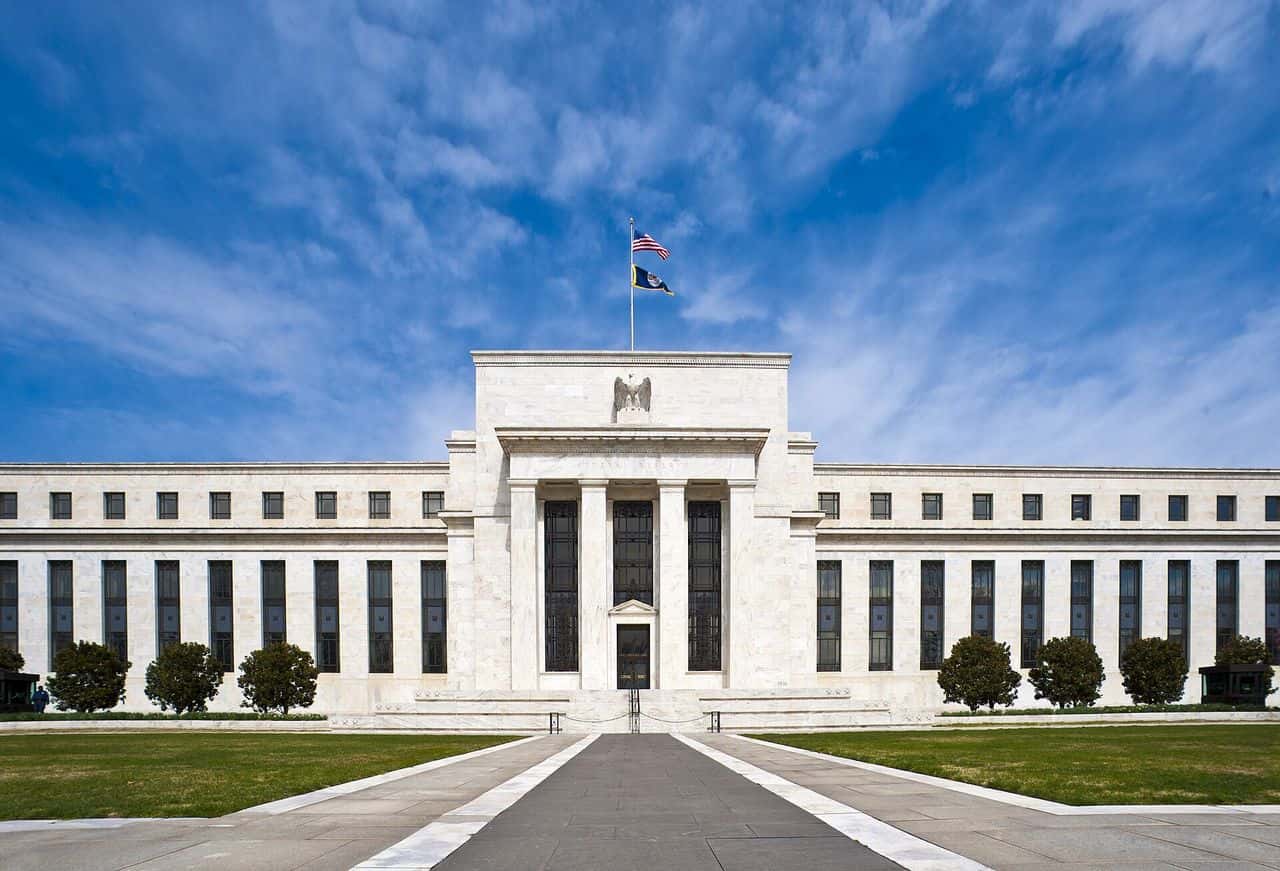 File photo · The Federal Reserve’s Eccles Building, Washington · Mar 2011 · Federal Reserve · Public domain · Source & license
Earlier context and later coverage are dated relative to this report. Automatically linked reports may cover a broader event.
No later reports linked yet.
Follow this story to find new evidence in your Following desk.
A smaller number of formal decision points could concentrate repricing and increase volatility around meetings and major data releases.
Limited directional case—fewer meetings alone may not substantially alter the policy trajectory or trigger a meaningful shift across asset classes.
Kept as written · your side, if you take one, is graded privately against licensed closes after 10 trading days · nothing here is advice · How the Wire is made →