"I'm Rejecting Their Deal": Trump Blasts Iranian Proposal Amid Reports He'll Resume Bombing After Midterms
President Donald Trump said he rejected Iran’s proposal for a seven-day ceasefire and remained open to resuming attacks after the midterms. The position leaves the Strait of Hormuz negotiations exposed to renewed military escalation and further disruption risk.
Speaking to reporters on Saturday, Trump said he had rejected an Iranian proposal for a seven-day ceasefire, according to the report. Iran is still demanding the reopening of the Strait of Hormuz and an end to the war, while reports cited by the source say Trump may resume bombing after the midterm elections.
The comments mark a shift from reported efforts to explore a phased arrangement involving the strait and Washington’s blockade of Iranian ports. The immediate dispute now centers on the terms and timing of any ceasefire, rather than on a settled agreement.
Iran is the party seeking the seven-day pause, while the Trump administration controls the US military decision described in the report. The Strait of Hormuz is the concrete link to energy markets because its reopening is part of Iran’s demands and the reported negotiations.
The timing and scope of any renewed attacks remain uncertain. The report attributes the possible post-midterm resumption of bombing to reports, while Trump’s rejection of the ceasefire proposal was presented as his direct statement.
The next decisive markers are any White House or Iranian announcement on ceasefire terms, developments around the strait, and the US midterm elections before the reported timing of possible renewed attacks. Confirmation of a military timetable or a new phased agreement would settle whether the talks are moving toward de-escalation or renewed conflict.
Trump rejected Iran’s seven-day ceasefire proposal as reports point to possible bombing after the midterms.
The immediate consequence is a wider range of outcomes for energy flows through the Strait of Hormuz: the reported rejection blocks a short pause, but the same pressure could still produce a new negotiating track. No single listed company is identified, so the read remains a geopolitical vote rather than a single-name equity call.
A newly announced ceasefire or phased agreement covering the Strait of Hormuz would invalidate the escalation read.
CoverageSource: ZeroHedge · Published here SAT, SEP 26 · 12:00 PM ET · 2 reports · 1 publisher in this record · latest listed: ZeroHedge · SAT, SEP 26 · 9:07 PM ETHow this is decided →
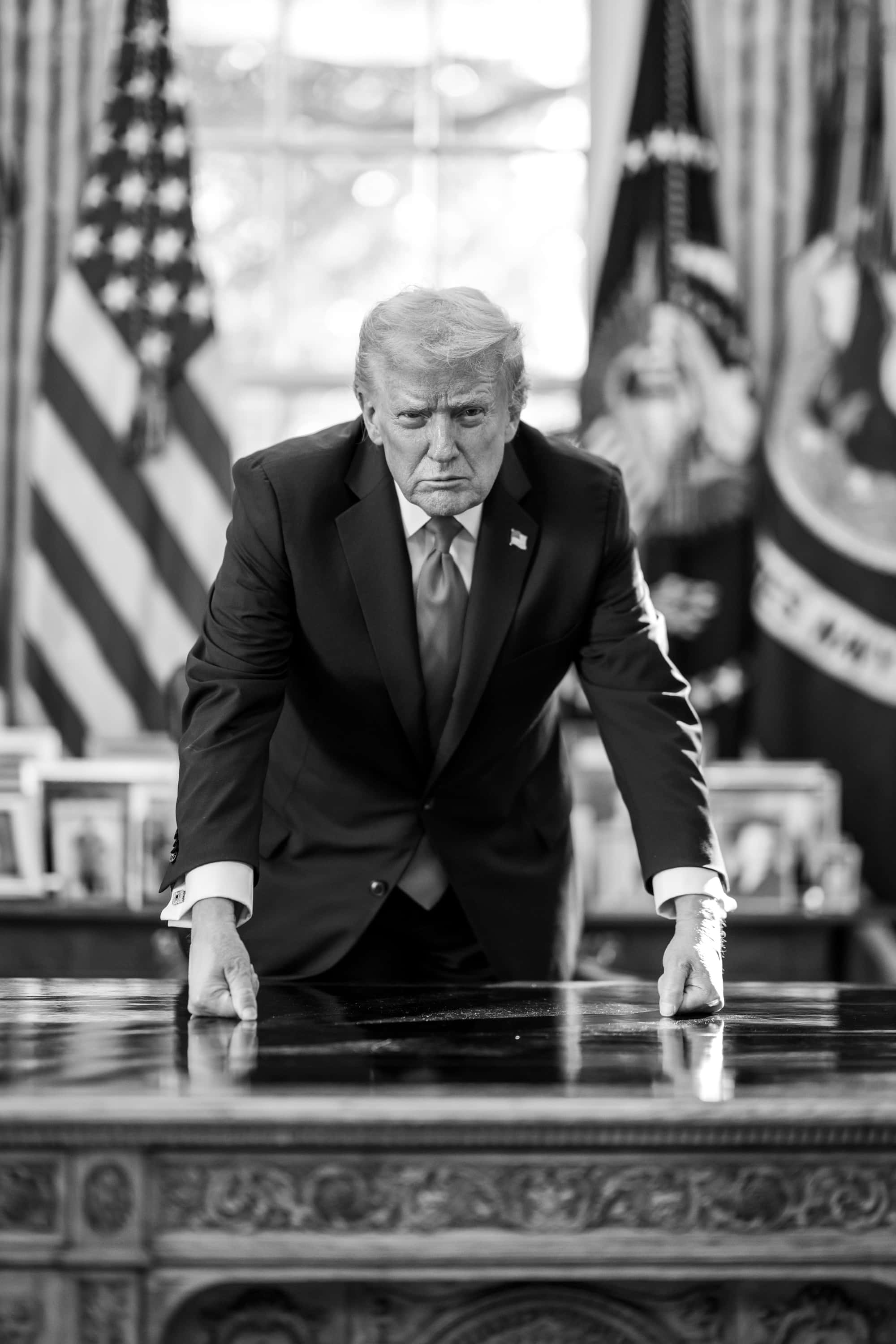 File photo · Jan 7, 2026 · Daniel Torok · Public domain · Source & license
Earlier context and later coverage are dated relative to this report. Automatically linked reports may cover a broader event.
No later reports linked yet.
Follow this story to find new evidence in your Following desk.
A negotiated reopening of the Strait of Hormuz would remove the central point of friction identified in the report and reduce the conflict’s energy-market reach.
Trump’s rejection of a seven-day ceasefire and reports of possible bombing after the midterms leave renewed military escalation as a concrete counter-scenario.
Kept as written · your side, if you take one, is graded privately against licensed closes after 10 trading days · nothing here is advice · How the Wire is made →