Asian LNG Prices Surge To Highest Since 2022 As Iran War Escalates
Asian spot LNG prices rose to $25.908 per mmBtu, the highest since 2022, after strikes between the United States and Iran resumed. The move puts renewed focus on supply and shipping disruption around the Strait of Hormuz, but the durability of the price shock depends on how long the escalation lasts.
Asian spot LNG traded at $25.908 per mmBtu late Wednesday, after prices rose almost $26 per million British thermal units for a 5% weekly gain. The move followed renewed strikes between the United States and Iran and came after President Donald Trump said the US had destroyed new equipment Iran was trying to build along the Strait of Hormuz.
The price is the highest reported for Asian LNG since 2022, linking the latest move to the region's earlier energy shock rather than to a routine change in demand. The immediate change is geopolitical: markets are reacting to the resumption of hostilities and the possibility that activity around a major energy transit route could become more difficult or dangerous.
The direct commercial exposure runs through LNG cargoes, shipping and the cost of replacing disrupted supply. Asian buyers face higher spot-market costs when available cargoes become harder to secure, while producers and traders with flexible supply can see stronger realized prices if the disruption persists.
The extent of the disruption remains uncertain. Trump's statement establishes the US position and the reported military action, but it does not by itself establish how long shipping constraints or elevated spot prices will last.
The next decisive information will be evidence of an actual interruption to LNG or tanker traffic around the Strait of Hormuz, alongside any further US-Iran military escalation or de-escalation. Price action will also show whether the 5% weekly gain extends beyond the initial response or reverses as cargo availability normalizes.
The Iran escalation lifts the risk premium in Asian LNG, but with no named equity or confirmed flow disruption the evidence supports a market-risk read rather than a single-name Angle.
The key implication is a higher LNG risk premium without enough company-level evidence to assign the move to a specific listed name. The reported price spike is concrete, but there is no established lasting supply interruption, and no dated event or ticker enrichment supports a directional equity call.
The read fails if LNG flows and shipping around the Strait of Hormuz continue normally or if military tensions de-escalate, allowing the spot-price premium to unwind.
CoverageSource: ZeroHedge · Published here THU, SEP 3 · 8:05 PM ET · the only report in this recordHow this is decided →
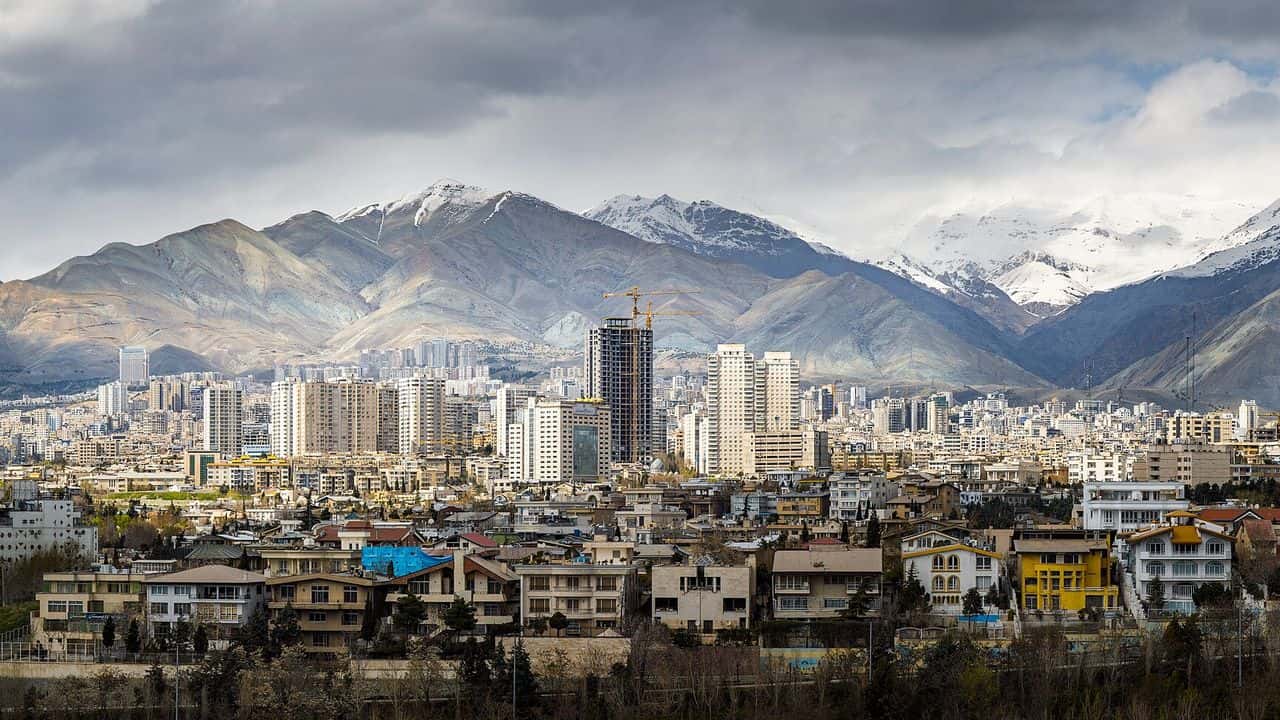 File photo · Tehran · Apr 2019 · Amir Pashaei · CC BY-SA 4.0 · Source & license
Earlier context and later coverage are dated relative to this report. Automatically linked reports may cover a broader event.
No later reports linked yet.
Follow this story to find new evidence in your Following desk.
A sustained escalation could keep Asian spot LNG near the reported $25.908 per mmBtu level or push it higher by tightening available cargoes and raising shipping risk.
The opposing case is stronger for trade construction: the report cites unnamed traders and confirms neither a blocked route nor a quantified supply loss, leaving the 5% weekly move vulnerable to reversal.
Kept as written · your side, if you take one, is graded privately against licensed closes after 10 trading days · nothing here is advice · How the Wire is made →