Bond yields near multi-year peaks after accelerating U.S. inflation, traders add to Fed hike bets
U.S. bond yields are near multi-year highs after faster inflation strengthened bets on additional Federal Reserve rate hikes. The setup raises pressure on rate-sensitive assets and keeps the next inflation and Fed signals central to market direction.
U.S. bond yields were trading near multi-year peaks after accelerating inflation led traders to increase expectations for further Federal Reserve hikes.
The move marks a continuation of the market's inflation-and-rates narrative: hotter price growth raises the prospect that monetary policy will remain restrictive for longer or tighten further. With yields already near multi-year highs, the immediate change is in the expected path of policy rather than a new company-specific development.
Higher Treasury yields transmit through borrowing costs, discount rates and financing conditions across equities, housing and credit markets. Rate-sensitive growth assets are most directly exposed, while financial conditions broadly become less supportive as the cost of capital rises.
The extent and durability of the move depend on the underlying inflation details and on subsequent Fed communication.
Next markers are the next U.S. inflation releases and the Federal Reserve's next policy decision and guidance. A renewed acceleration in inflation or more hawkish Fed language would reinforce the yield move; softer price data or a less restrictive policy signal would challenge it.
The rates shock is a broad tightening signal rather than a single-name equity read, with pressure concentrated in rate-sensitive assets.
The immediate consequence is tighter financial conditions: higher yields raise discount rates and financing costs across markets, with the clearest pressure on rate-sensitive assets.
Softer inflation or a less hawkish Federal Reserve signal could reverse the yield and rate-expectation move.
CoverageSource: Investing.com · Published here FRI, SEP 11 · 9:19 AM ET · the only report in this recordHow this is decided →
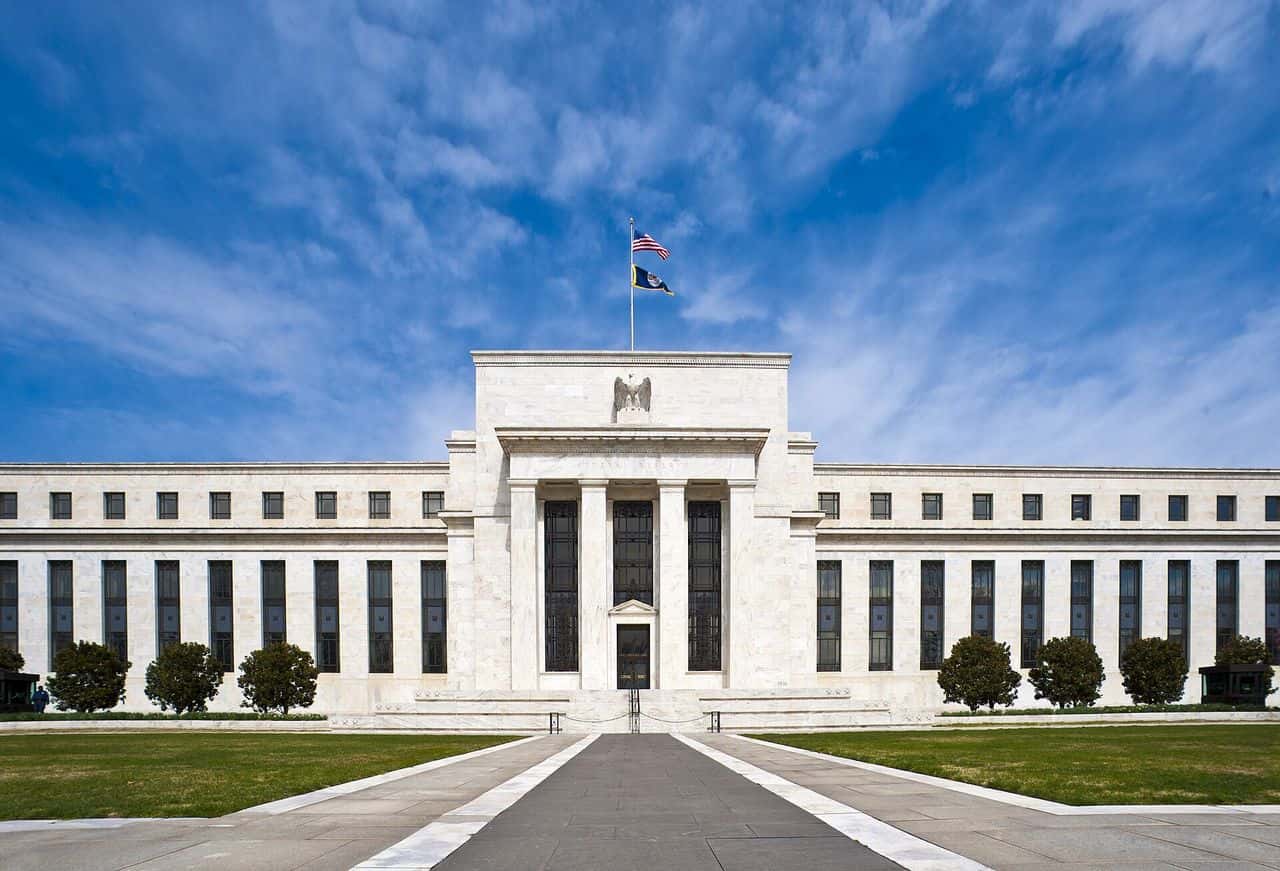 File photo · The Federal Reserve’s Eccles Building, Washington · Mar 2011 · Federal Reserve · Public domain · Source & license
Earlier context and later coverage are dated relative to this report. Automatically linked reports may cover a broader event.
No later reports linked yet.
Follow this story to find new evidence in your Following desk.
For yields, the bullish case is that accelerating U.S. inflation and increased Fed hike bets extend the restrictive-policy trade.
For yields, so subsequent softer data could unwind the move.
Kept as written · your side, if you take one, is graded privately against licensed closes after 10 trading days · nothing here is advice · How the Wire is made →