Citigroup delays Fed rate-cut forecast to 2027 after strong U.S. jobs report
Citigroup pushed its forecast for the Federal Reserve’s next rate cut into 2027 after a stronger-than-expected U.S. jobs report. The shift reinforces a higher-for-longer rates setup, with implications for bank funding costs, loan demand and interest-rate-sensitive assets.
Citigroup has delayed its forecast for the next Federal Reserve rate cut until 2027 following a strong U.S. jobs report. The bank moved away from an earlier expectation for easing sooner.
The change extends a recent debate over how quickly the Fed can lower borrowing costs. A resilient labor market gives policymakers less immediate pressure to cut rates, while the absence of a cut forecast before 2027 implies that Citigroup sees the data as supporting a prolonged restrictive stance.
For Citigroup, the rate path connects to several operating lines rather than a single direct revenue item. The bank reported $85.2B of revenue for fiscal 2025, up 5.6% YoY, with a 16.8% net margin and $6.99 diluted EPS. Higher rates can support returns on some interest-earning assets, but they can also weigh on credit demand, securities valuations and the cost of deposits and other funding.
The central uncertainty is the durability of the jobs strength and how it interacts with inflation. The size and persistence of the repricing remains unclear.
The next decisive evidence will come from subsequent U.S. labor and inflation releases and from the Fed's policy communications. For Citigroup, future earnings disclosures should show whether the rate environment is helping net interest income and margins more than it is restraining loan growth, credit quality or market activity.
The delayed-cut call is mixed for C: higher rates can support asset yields, but a longer restrictive cycle also risks weaker loan demand and higher funding pressure.
The setup cuts both ways for C because a later Fed cut can preserve yields on interest-earning assets while extending pressure on credit demand, securities values and funding costs. Citi's $85.2B of FY2025 revenue, 5.6% YoY growth and 16.8% net margin provide operating context, but the rate-sensitive dynamics lack enough detail to establish a directional edge.
A weaker follow-up jobs or inflation report could revive expectations for earlier easing, while Citi earnings could show that higher rates are helping revenue more than they are hurting demand and funding.
CoverageSource: Investing.com · Published here SAT, SEP 5 · 7:52 AM ET · 3 reports · 2 publishers in this record · latest listed: Reuters · SAT, SEP 5 · 2:09 PM ETHow this is decided →
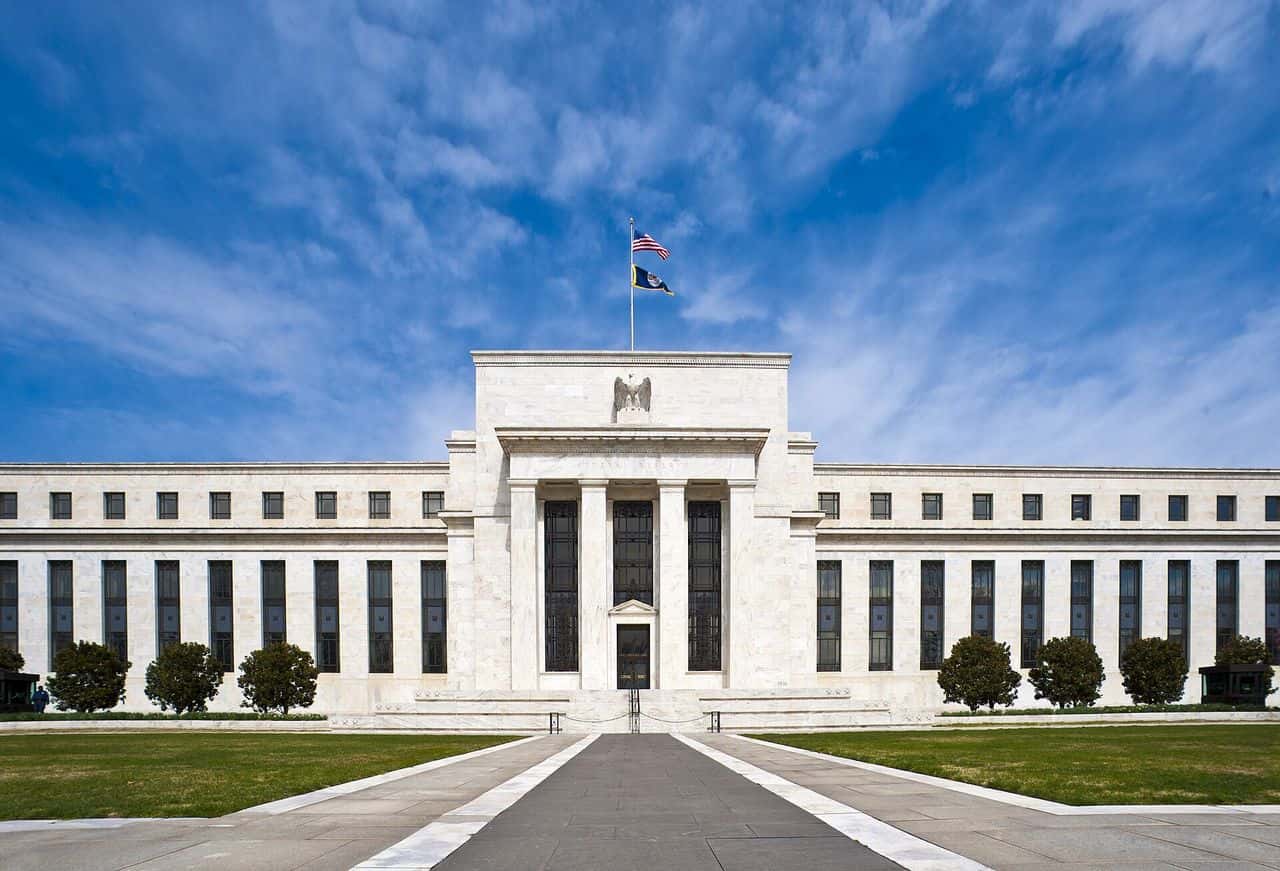 File photo · The Federal Reserve’s Eccles Building, Washington · Mar 2011 · Federal Reserve · Public domain · Source & license
Earlier context and later coverage are dated relative to this report. Automatically linked reports may cover a broader event.
No later reports linked yet.
Follow this story to find new evidence in your Following desk.
Price context does not establish that the story caused the move.
Citi’s FY2025 revenue reached $85.2B with 5.6% YoY growth, leaving room for a higher-for-longer backdrop to support returns on interest-earning assets.
The bear case is credible but not quantified: delayed easing could restrain loan demand and raise funding pressure, and the available report gives no evidence that Citi’s margin benefits outweigh those costs.
Kept as written · your side, if you take one, is graded privately against licensed closes after 10 trading days · nothing here is advice · How the Wire is made →