Fed Officials Open the Door to Holding Interest Rates Steady This Month
Federal Reserve officials have signaled that they may keep interest rates unchanged at this month’s meeting. That leaves markets focused on incoming inflation, labor and economic data for clues on whether the pause is temporary or marks a more cautious policy path.
Several Federal Reserve officials have opened the possibility of leaving interest rates unchanged at the central bank's September meeting. The shift indicates that officials are considering a steady-rate outcome rather than treating a reduction as automatic. The meeting falls this month, making the next round of economic data especially important for the policy outlook.
The backdrop is a policy debate over how quickly the Fed should continue adjusting rates. Officials must weigh evidence that inflation is easing against the risk that price pressures remain persistent, while also assessing the condition of the labor market and broader economic activity. The latest comments change the near-term framing from an assumed move toward a closer contest between holding rates steady and changing them.
Fed officials and the policymakers who will participate in the upcoming meeting are the main actors. Their comments affect interest-rate expectations directly, which in turn shape borrowing costs and the valuation of financial assets.
The statements stop short of confirming that rates will remain unchanged. Officials' views can differ, and the final decision will depend on data released before the meeting as well as the discussion among policymakers.
The next decisive inputs are the economic releases scheduled before the September meeting and the Fed's policy statement and press briefing. Investors will be looking for changes in the language around inflation, employment and the conditions required for future rate adjustments. The open issue is whether officials are signaling a short pause while they gather more evidence or a broader reluctance to ease policy soon.
With no single-company exposure or ticker enrichment, the Fed signal shifts the macro setup toward a September hold but leaves the market read dependent on incoming data.
The immediate consequence is a wider range of possible rate paths rather than a clean single-name trade: a hold could support a higher-for-longer interpretation, while softer data could reopen expectations for a policy change. Without a named equity, ticker enrichment, market pricing or a dated meeting announcement in the supplied material, the evidence does not support a directional equity call.
The read is invalidated by incoming inflation or labor data that materially changes the policy debate, or by a Fed decision and guidance that point clearly toward a rate move.
CoverageSource: Barron's · Published here FRI, SEP 4 · 1:00 AM ET · the only report in this recordHow this is decided →
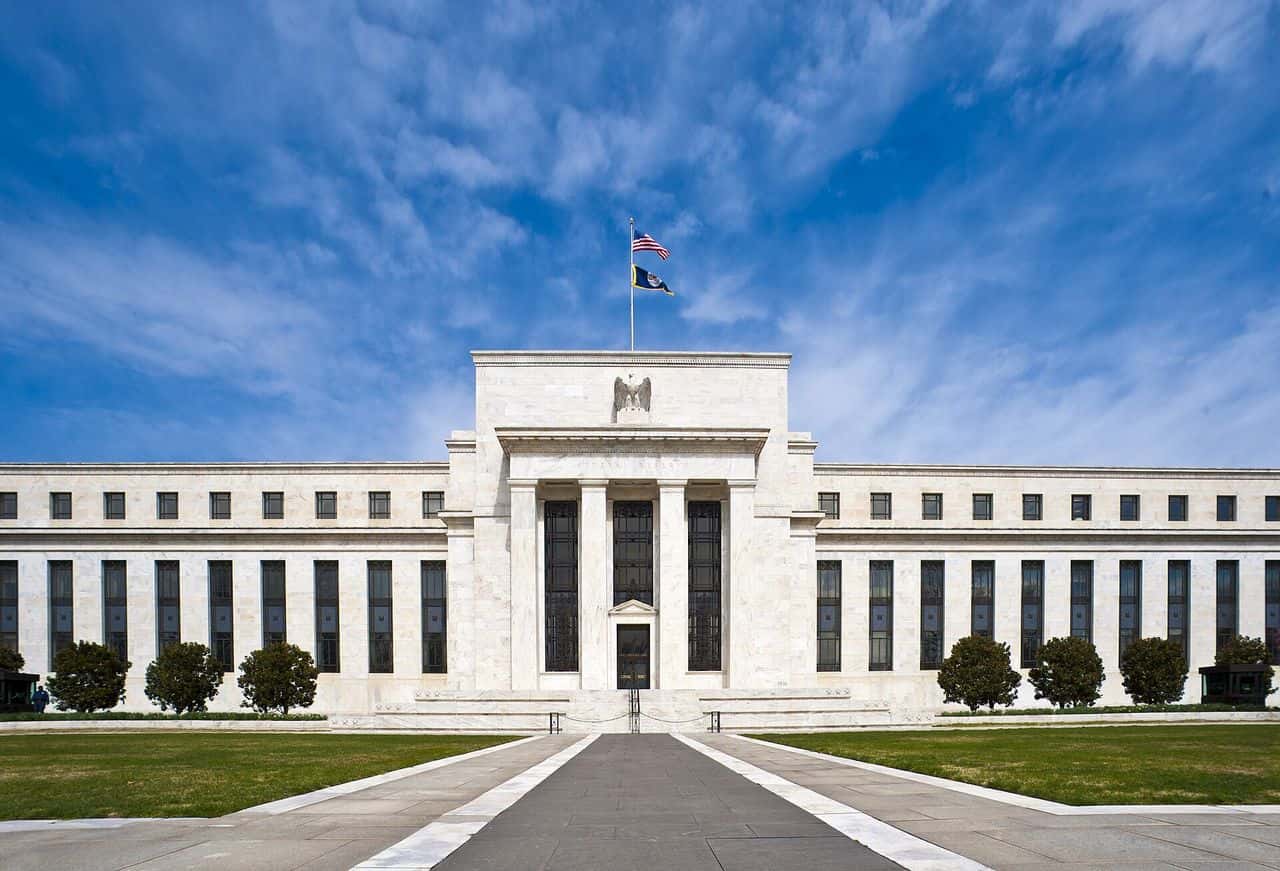 File photo · The Federal Reserve’s Eccles Building, Washington · Mar 2011 · Federal Reserve · Public domain · Source & license
Earlier context and later coverage are dated relative to this report. Automatically linked reports may cover a broader event.
No later reports linked yet.
Follow this story to find new evidence in your Following desk.
A steady-rate outcome could give policymakers more time to assess inflation and employment data before making the next adjustment.
It cannot establish a durable directional trade.
Kept as written · your side, if you take one, is graded privately against licensed closes after 10 trading days · nothing here is advice · How the Wire is made →