Inflation Keeps Pressure on the Fed
Economist Neil Dutta says persistent inflation could force the Federal Reserve to raise interest rates faster than investors expect, even as the labor market stabilizes. Rising food and energy costs add pressure to inflation expectations, keeping price stability ahead of employment in the Fed debate.
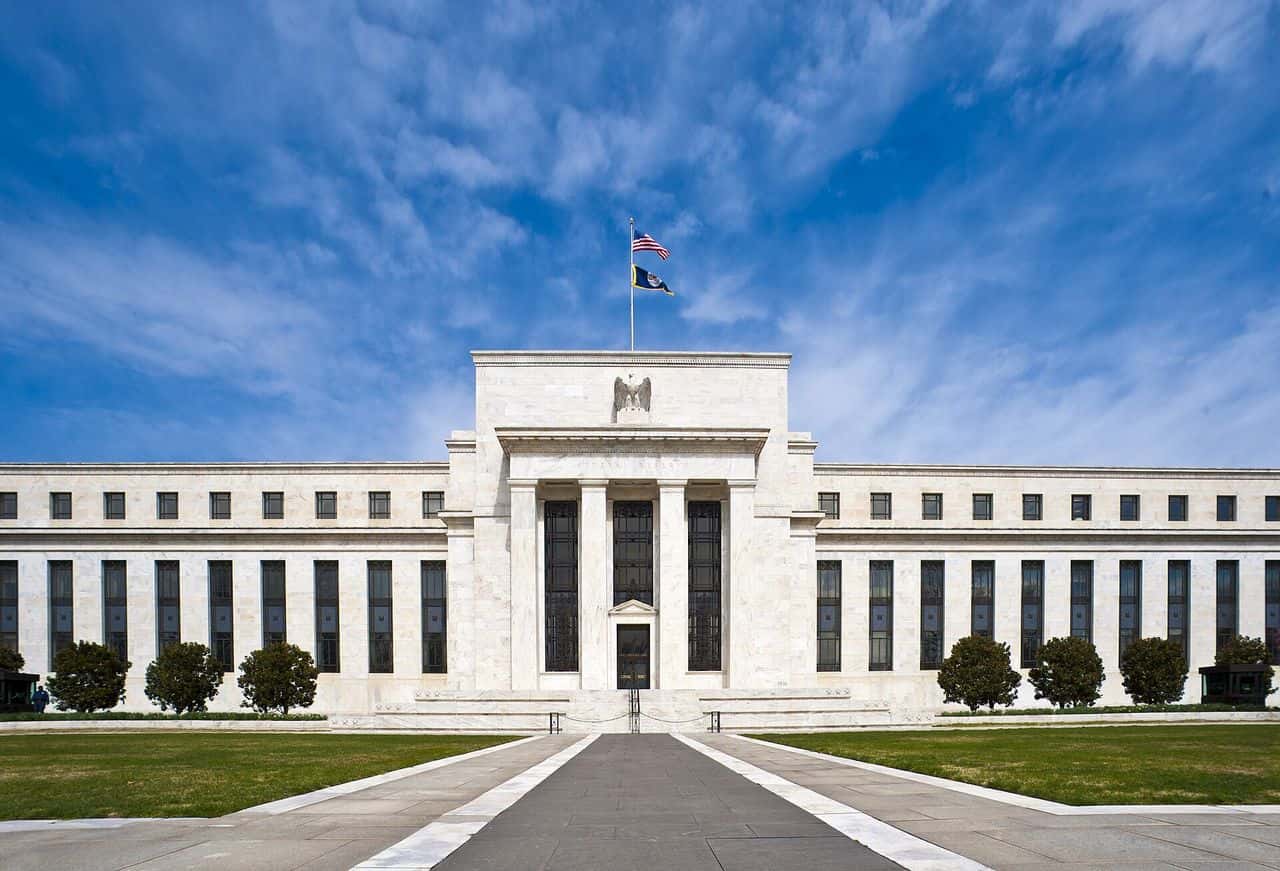 File photo · The Federal Reserve’s Eccles Building, Washington · Mar 2011 · Federal Reserve · Public domain · Source & license
Renaissance Macro Research economist Neil Dutta told Bloomberg Television that the US labor market has stabilized, but persistent inflation remains the more pressing side of the Federal Reserve’s dual mandate. He said rising food and energy costs could push inflation expectations higher and force the central bank to raise interest rates at a faster pace than investors currently expect.
The comments frame the policy debate around a shift in emphasis: labor-market stability gives policymakers less immediate reason to prioritize employment risks, while renewed pressure from food and energy prices could make inflation expectations harder to contain. The timing and pace of any response remain dependent on incoming economic data and the Fed’s assessment of whether price pressures are becoming persistent.
Higher expected rates would affect Treasury yields, the dollar and interest-rate-sensitive parts of the economy through borrowing costs and financial conditions. The reporting concerns the macro backdrop rather than a specific company, so there is no single corporate revenue or cost channel to isolate.
Dutta’s view is an economist’s assessment, not a stated change in Federal Reserve policy. The labor market’s reported stabilization supports a less urgent employment case, but the strength and duration of food and energy pressure, as well as future inflation readings, remain uncertain.
The next evidence will come from upcoming US inflation and labor-market releases and from the Federal Reserve’s next policy decision. Those data points will show whether price pressures are broadening enough to alter the expected rate path or remain concentrated in volatile components.
Neil Dutta says persistent inflation and rising food and energy costs could force the Fed to hike faster than expected.
The macro consequence is a higher-for-longer policy risk if food and energy costs lift inflation expectations while the labor market remains stable. The case is not yet one-directional because the report reflects an economist’s assessment rather than a policy decision, and the next inflation and labor data will determine whether the Fed’s reaction function actually changes.
A cooling inflation reading or renewed labor-market weakness could reduce pressure for faster rate increases.
CoverageSource: Bloomberg Television · Published here SUN, SEP 27 · 9:42 AM ET · the only report in this recordHow this is decided →
Earlier context and later coverage are dated relative to this report. Automatically linked reports may cover a broader event.
No later reports linked yet.
Follow this story to find new evidence in your Following desk.
Persistent food and energy inflation alongside a stabilized labor market could make faster Fed tightening more plausible.
A softer upcoming inflation reading or renewed employment deterioration would undercut the case for accelerating rate hikes.
Kept as written · your side, if you take one, is graded privately against licensed closes after 10 trading days · nothing here is advice · How the Wire is made →