New York Fed's Williams says yield surge due to strong economic prospects
New York Fed President John Williams said the recent rise in Treasury yields reflects strong economic prospects, while declining to say whether another interest-rate increase is necessary. That leaves the rates market with a growth-positive signal but no clear policy commitment, keeping the next inflation and labor data as the decisive tests.
In a CNBC interview, New York Fed President John Williams attributed the recent surge in bond yields to stronger economic prospects. His comments framed the move as a response to expectations for resilient growth rather than solely as a sign of renewed inflation pressure. Williams did not commit to whether he believes another interest-rate hike is necessary.
The remarks arrive as markets continue to assess how much policy restraint is still required. A stronger economy can support higher yields by lifting expectations for growth, borrowing demand and future policy rates. At the same time, the absence of a commitment to hike leaves the Federal Reserve’s reaction function unresolved.
Williams’ position matters for Treasury investors and for companies whose financing costs are tied to market rates. Higher yields can raise the cost of government borrowing and corporate debt, while a stronger growth outlook can support revenues for economically sensitive businesses. The New York Fed president’s comments therefore connect the bond-market move to both the economic outlook and the path of monetary policy.
Williams offered an explanation for the yield surge but stopped short of endorsing another increase. That distinction limits what can be inferred from the comments alone, particularly because the yield move could reflect several factors at once.
The next important evidence will come from incoming inflation, employment and growth data, along with further public comments from Fed officials. A clearer signal that economic strength is feeding persistent inflation would strengthen the case for keeping policy restrictive or raising rates. Softer data would make the growth explanation less supportive of higher yields and put more weight on the possibility that rates have already tightened enough.
With no single-company exposure in the story, the read is mixed for markets: Williams links higher yields to stronger growth but leaves the rate-hike path open.
The immediate implication is a two-sided rates setup: stronger growth can justify higher yields, but Williams’ refusal to endorse another hike prevents the interview from becoming a clear hawkish signal. Without a dated event supplied beyond the forthcoming data, the evidence supports monitoring the policy reaction function rather than a directional trade.
The read fails if subsequent inflation and labor data, or further Fed communication, resolve the policy path in a direction not implied by Williams’ comments.
CoverageSource: CNBC · Published here WED, SEP 2 · 11:48 AM ET · 3 reports · 3 publishers in this record · latest listed: MarketWatch · WED, SEP 2 · 11:48 AM ETHow this is decided →
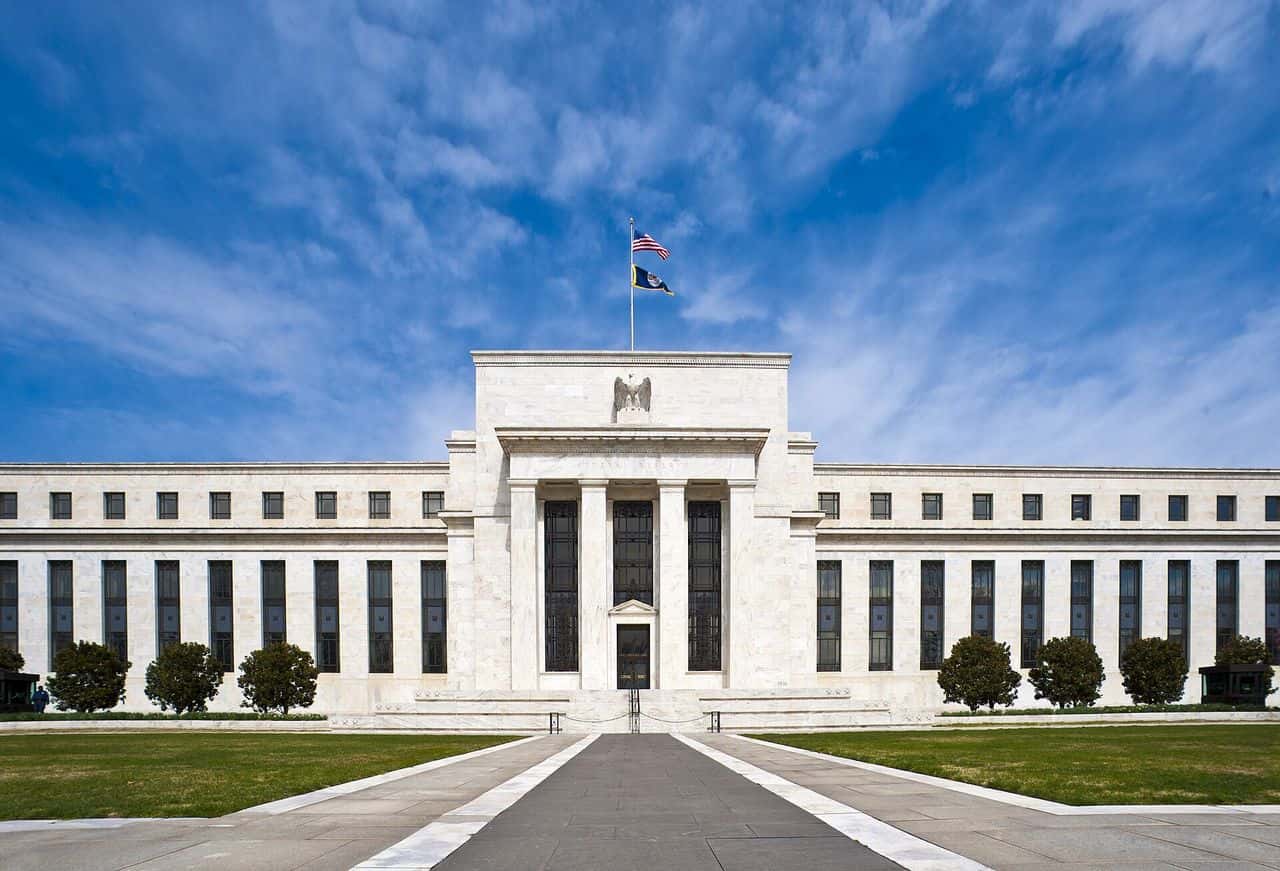 File photo · The Federal Reserve’s Eccles Building, Washington · Mar 2011 · Federal Reserve · Public domain · Source & license
Earlier context and later coverage are dated relative to this report. Automatically linked reports may cover a broader event.
No later reports linked yet.
Follow this story to find new evidence in your Following desk.
A resilient economic outlook can keep Treasury yields elevated if incoming data reinforce the view that growth remains strong.
The opposing case is that Williams did not commit to another hike, so the interview alone provides no confirmation that higher yields will translate into additional policy tightening.
Kept as written · your side, if you take one, is graded privately against licensed closes after 10 trading days · nothing here is advice · How the Wire is made →