Oil extends climb after Iran threat to Gulf energy infrastructure
Oil prices extended their climb after Iran threatened Gulf energy infrastructure, adding a fresh geopolitical risk premium to crude. The setup is bullish for oil exposure but fragile because no infrastructure has been damaged and no supply disruption has occurred.
Oil extended its climb after Iran threatened energy infrastructure in the Gulf. The threat is the immediate driver of the move, though the size of the price increase and specific facilities affected remain unclear, and no physical disruption has been confirmed.
Gulf infrastructure is central to global energy flows, so the market is reacting to the possibility of a supply shock rather than a confirmed outage. It is unclear whether the threat represents a new escalation, how governments in the region are responding, or whether shipping and production operations have changed.
The direct exposure is crude oil and related energy markets; no single listed company is the focus. Producers could benefit from higher benchmark prices if the risk premium persists, while refiners, transport operators and energy-intensive businesses could face higher input or operating costs, but those company-level effects are not established.
The key uncertainty is execution: a threat has been made, but not an attack or confirmed supply loss. The size and durability of the move therefore depend on whether the threat is followed by damage, precautionary shutdowns, shipping disruption or a diplomatic de-escalation.
Next signals are confirmation from Gulf producers, shipping authorities and governments, alongside evidence of changes to exports, tanker traffic or operating status at named facilities. No dated event has been identified that would settle the risk premium.
Crude’s risk premium is rising on the Iran threat, but the report supports a geopolitical bid rather than a confirmed supply shock.
The immediate implication is a higher probability of volatility in crude, with the bullish case resting on escalation that affects Gulf production, exports or shipping. No damage or supply interruption has been confirmed, so the risk premium can unwind quickly if the threat is contained or diplomatic channels reduce tension.
A rapid de-escalation, no physical disruption, or continued uninterrupted Gulf flows would remove the supply-shock premium.
CoverageSource: Investing.com · Published here MON, SEP 7 · 10:24 PM ET · the only report in this recordHow this is decided →
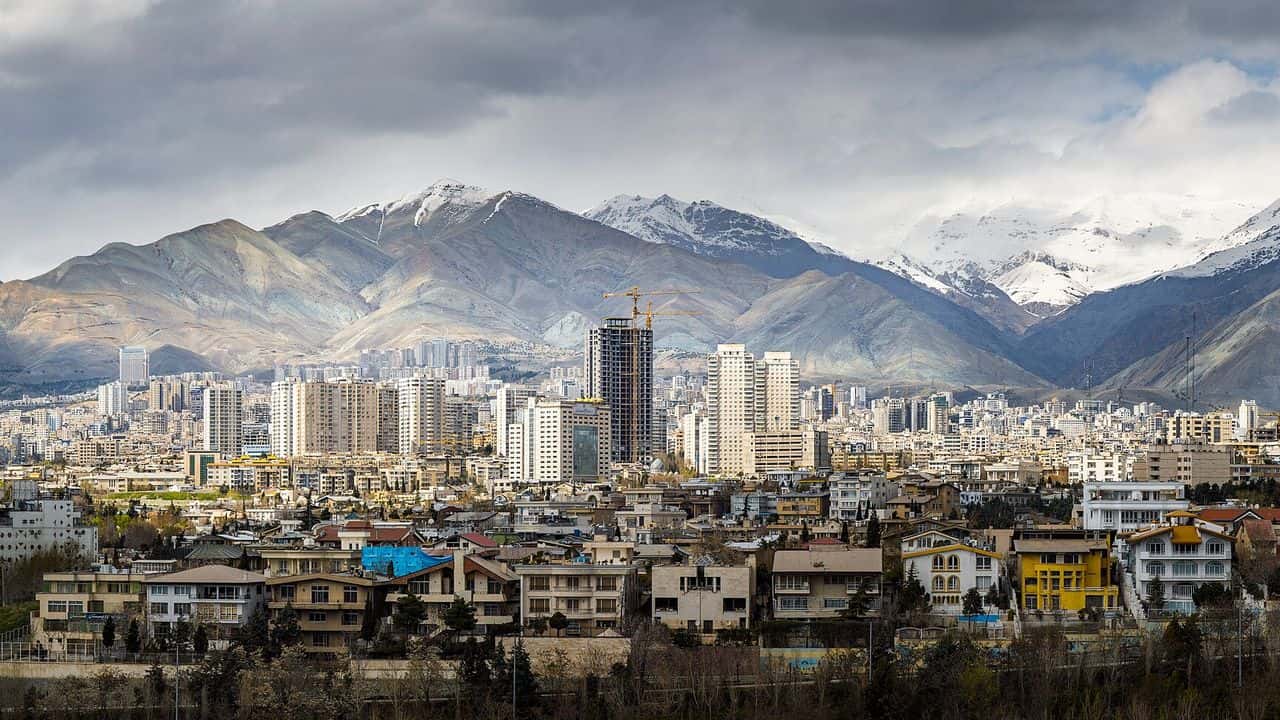 File photo · Tehran · Apr 2019 · Amir Pashaei · CC BY-SA 4.0 · Source & license
Earlier context and later coverage are dated relative to this report. Automatically linked reports may cover a broader event.
No later reports linked yet.
Follow this story to find new evidence in your Following desk.
The threat could become materially bullish for crude if it is followed by damage, precautionary shutdowns or shipping disruption in the Gulf.
The opposing case is stronger than usual for an unconfirmed threat: Investing.com reported no attack, outage, facility closure or export interruption.
Kept as written · your side, if you take one, is graded privately against licensed closes after 10 trading days · nothing here is advice · How the Wire is made →