Fed raises rates as CoreWeave CEO flags inflection point and $51B debt
The Federal Reserve has raised interest rates for the first time since 2023, while CoreWeave’s chief executive describes an “inflection point” against a $51 billion debt burden. The policy shift raises the financing stakes for an infrastructure company whose expansion depends heavily on capital.
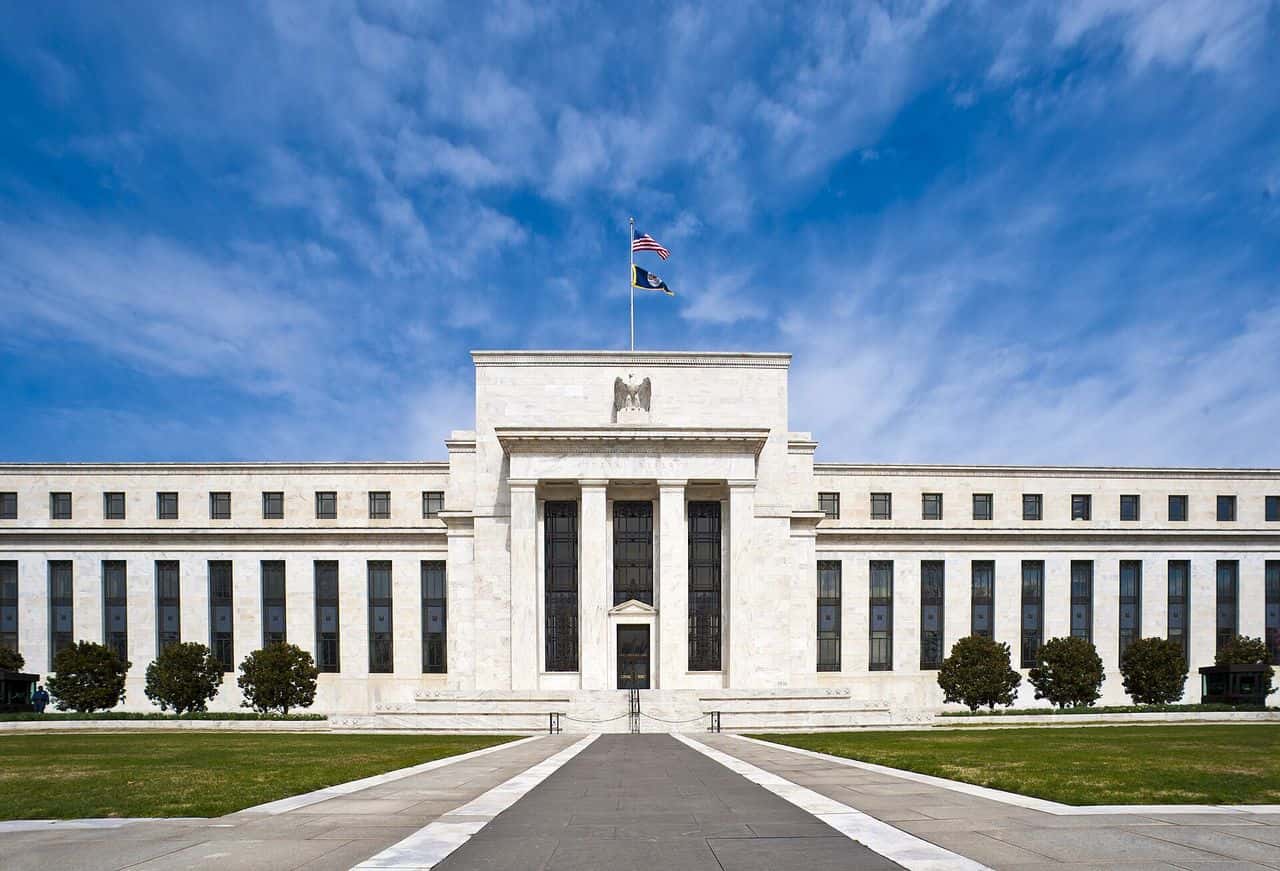 File photo · The Federal Reserve’s Eccles Building, Washington · Mar 2011 · Federal Reserve · Public domain · Source & license
The story
The Federal Reserve raised interest rates for the first time since 2023, according to the report published September 21. CoreWeave CEO Michael Intrator described the company as reaching an “inflection point,” while the report put its debt at $51 billion.
The rate increase changes the backdrop for a business built around expanding computing infrastructure. Higher borrowing costs can affect the expense of funding data-center construction and equipment, and can make existing debt more burdensome as financing is refinanced or repriced.
CoreWeave is the company directly connected to the report. Its infrastructure buildout requires substantial capital, creating a direct link between monetary policy, interest expense and the pace or economics of expansion.
The report presents the CEO’s inflection-point view alongside the debt concern, leaving the operating outcome dependent on how quickly infrastructure demand translates into cash generation and how the company manages its financing burden.
The next useful markers are CoreWeave’s next financial update and disclosures on interest expense, debt terms, capital spending and contracted demand. Those figures would clarify whether the operating inflection point is large enough to offset the higher financing burden.
Our read · Mon, Sep 21
The Fed raised rates for the first time since 2023 as CoreWeave’s CEO called an inflection point against $51 billion of debt.
Why. The setup is split between a potentially improving operating trajectory and a financing burden that becomes more consequential as rates rise. CoreWeave’s $51 billion debt figure makes funding costs central to the economics of its expansion, but no current company financial data is available here to establish the size or timing of the effect.
Both cases
What could change this view: The read breaks if CoreWeave’s next update shows that demand and cash generation are accelerating enough to absorb higher financing costs, or if its debt is insulated from the rate move.
Who reported it · 1
Keep reading
Latest on the Wire
AMD shares fall 11% after Hunterbrook warns over China linksWalmart raises full-year outlook as e-commerce wins shoppersAnthropic IPO could become the largest in US history on ThursdayContinuing claims rise as Goldman sees Fed hikes in December and MarchPIF Tower in Riyadh reportedly damaged in second Houthi attackContinue on the Wire →Latest on the Wire
Trump Media buys back $100 million of notes ahead of Nov. 30 cash demandBiohaven reports confirmed BHV-1530 responses in two FGFR3 cancersTrump, Xi and Putin pledge more refined fuel after first trilateral summitSky reserve linked to $518 million in illicit activity, investigation findsContinue on the Wire →Top this week
Nvidia allies lobby board to bring back Jensen Huang as CEONvidia chair rules out Huang return as CEO after 75% sales outlookAnthropic Said to Guide IPO Pricing Above Market RangeNvidia interim CEO Colette Kress faces first earnings test after HuangNvidia CEO Jensen Huang reportedly resigns as US-China tensions riseAbout this report
Reported by Yahoo Finance as The Fed Just Raised Rates for the First Time Since 2023. CoreWeave’s CEO Sees an ‘Inflection Point,’ But Its $51 Billion Debt Problem Just Got Worse.
, . Who answers for this
The only report in this record. Closes are licensed end-of-day data from Databento; the move after a story is its first close against the close before it. How this is decided →
Kept as written · your side, if you take one, is graded privately against licensed closes after 10 trading days · nothing here is advice · How the Wire is made →