Why the Fed's interest rate call could come down to a few hundredths of a percentage point
The Federal Reserve’s next interest-rate decision may hinge on a difference of only a few hundredths of a percentage point. That unusually narrow margin leaves the policy outcome highly sensitive to the final data and officials’ internal judgment.
The Fed's upcoming rate call could turn on a very small numerical difference rather than a clear-cut shift in the economic outlook. The decision may hinge on marginal policy calibration: a small change in the data or in officials' assessment could determine the announced rate path. The headline points to a close call between competing policy options.
The direct transmission runs through interest-sensitive assets and borrowing costs. A decision to move rates or signal a different path would affect Treasury yields, the dollar, mortgages, corporate financing and equity valuations.
The next decisive evidence is the Fed's rate announcement and accompanying communication. The statement, projections and officials' remarks should clarify whether the narrow decision reflects changing inflation risks, labor-market conditions or a shift in the expected policy path.
The narrow Fed decision leaves the macro read balanced, with the policy statement and projections carrying the next material signal.
The implication is a high-sensitivity policy event rather than a clean directional signal: a few hundredths of a percentage point can change the headline outcome without establishing a broader change in the Fed’s reaction function. With no named date, rate level, market move or company exposure in the report, the evidence does not support a single-name or directional trade.
The trade thesis fails if the Fed decision is not actually as close as CNBC’s framing suggests, or if subsequent communication shows the small numerical difference has no effect on the policy path.
CoverageSource: CNBC · Published here TUE, SEP 8 · 2:35 PM ET · 2 reports · 2 publishers in this record · latest listed: WSJ · WED, SEP 9 · 10:53 PM ETHow this is decided →
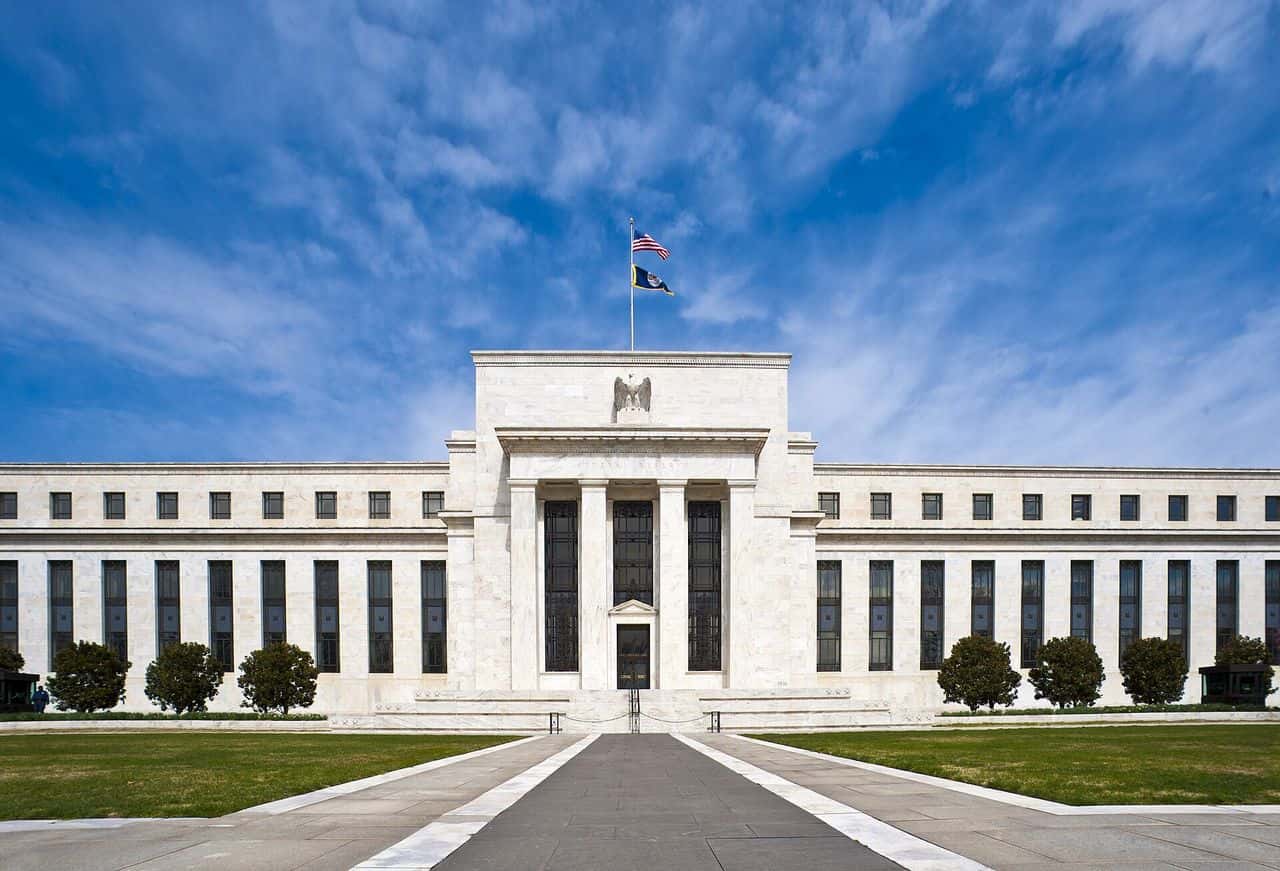 File photo · The Federal Reserve’s Eccles Building, Washington · Mar 2011 · Federal Reserve · Public domain · Source & license
Earlier context and later coverage are dated relative to this report. Automatically linked reports may cover a broader event.
No later reports linked yet.
Follow this story to find new evidence in your Following desk.
A small policy-rate difference could still produce a meaningful repricing if the Fed’s statement or projections signal a different path for future decisions.
The precise threshold, the competing policy choices and the dated decision remain unclear from available information, so the headline alone does not carry a definitive trade direction.
Kept as written · your side, if you take one, is graded privately against licensed closes after 10 trading days · nothing here is advice · How the Wire is made →