US launches new strikes on Iran following tanker hits
1 min readAnalysis by AlgoThesis Editorial Desk
Market Memory
What changed after the headline
The original read stays visible beside later evidence. Connections are editorial records, not ticker-only guesses.
Price since this story
Equal-weight basket · first close after publication
Price context does not establish that the story caused the move.
The coverage · 2 reports
- The WorkshopFirst reportUS launches new strikes on Iran following tanker hits ↗
- Investing.comLatest
The story
The United States military has launched a fresh round of airstrikes on Iran, according to reporting from the Associated Press and The New York Times, following Iranian missile strikes on commercial shipping vessels transiting the Strait of Hormuz — including a Qatari LNG tanker. Missile alerts have been triggered in Bahrain and Qatar, signaling that the conflict is no longer contained to Iranian territory and is spreading to Gulf states hosting major US military installations.
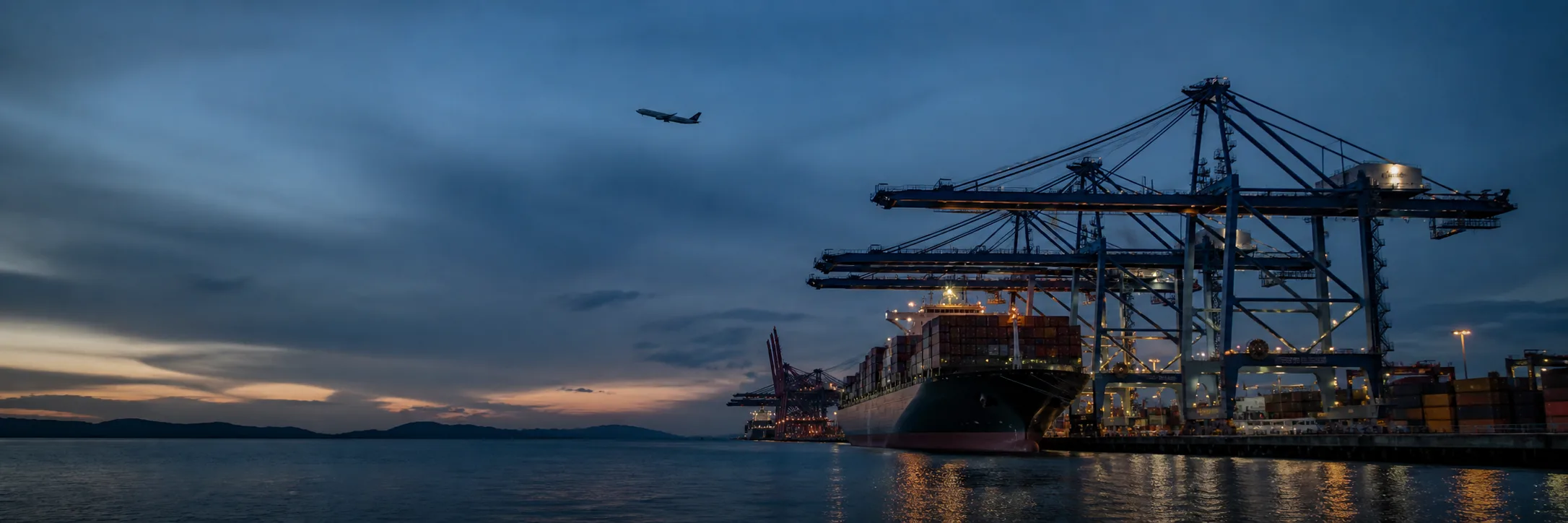
The Strait of Hormuz is the single most consequential energy chokepoint on the planet, with roughly 20% of global oil and a significant share of LNG exports passing through it daily. A sustained disruption would hit European LNG importers, Asian refiners, and any counterparty with Hormuz-route exposure. Names like XOM, CVX, OXY, and COP would benefit from a supply-shock oil spike, while tanker operators like FRO and STNG face a direct operational threat. Defense primes — LMT, RTX, NOC — typically catch a bid in hot-conflict scenarios.
The bull case for energy and defense is straightforward: physical supply disruption or credible threat thereof drives oil above $90–100 and triggers contract acceleration. The bear case is that US-Iran escalation cycles have historically produced short-lived spikes followed by rapid reversals once diplomatic back-channels open — oil traders have faded these moves before.
Key variables to watch: whether Iran closes or credibly threatens to close the Strait, whether Gulf state allies (Saudi Arabia, UAE) publicly side with the US or seek de-escalation, and whether the US strikes are declared a concluded operation or an ongoing campaign. No ticker enrichment was available, so confidence in a specific single-name trade is low — the cleaner expression is broad energy/defense vs. airlines and shipping.
The two-sided take
The house read
Wrong ifUS-Iran escalation spikes have historically reversed sharply within days once diplomatic signals emerge or strikes are declared concluded — being long oil into a ceasefire announcement would give back the entire move fast.
Published read · research, not advice