Explainer-What are Iran’s options to retaliate as open warfare resumes with the US?
Open warfare has resumed between the US and Iran, and analysts are now cataloguing Tehran's retaliation options, from proxy attacks to Strait of Hormuz disruption. The renewed conflict raises the odds of a broader regional escalation that could hit oil supply routes and risk sentiment globally.
Reports indicate that open hostilities between the United States and Iran have resumed, prompting explainer coverage of the retaliatory options available to Tehran. The piece frames this as a fresh escalation rather than a continuation of prior skirmishes, with analysts weighing Iran's conventional and asymmetric tools, including missile strikes, proxy militia action across Iraq, Syria, Yemen, and Lebanon, and potential moves to disrupt shipping through the Strait of Hormuz.
This marks another turn in a long-running standoff that has oscillated between direct confrontation and uneasy deterrence for years. Prior episodes of US-Iran tension have repeatedly raised the specter of Hormuz disruption, given that a substantial share of global seaborne oil trade transits the strait, but actual closures or sustained interdiction have been rare, largely because Iran's own economy depends on maintaining some access to global trade. What appears to have changed here is the description of the conflict as active warfare rather than a war of words or covert strikes, which shifts the baseline market assumption from deterrence to live conflict risk.
The mechanism connecting this to markets runs primarily through energy. Any credible threat to Hormuz shipping lanes tends to push crude oil futures higher on risk premium alone, even absent an actual supply disruption, given the volume of Gulf crude and LNG that passes through the strait daily. Airlines and shippers with Middle East routing exposure face rerouting costs and insurance premium increases. Defense contractors with air-defense, munitions, and naval systems exposure historically see order-flow expectations firm on renewed conflict headlines, while broader risk assets such as equities and emerging-market currencies tend to soften on the uncertainty.
The setup skews toward higher near-term crude and defense-sector demand expectations while broad risk assets carry downside risk, but this is not a single-name equity call.
This is a geopolitical explainer piece without a named single-name equity, dated policy event, or quantified figure to anchor a trade — the story catalogs possible Iranian retaliation options rather than confirming a specific action, so any read is necessarily provisional pending an actual escalation event like a Hormuz interdiction or missile strike.
Rapid de-escalation via diplomatic backchannel or a contained, symbolic Iranian response would quickly deflate any risk premium priced into oil and defense-related sentiment.
CoverageSource: Investing.com · Published here WED, SEP 2 · 3:54 AM ET · the only report in this recordHow this is decided →
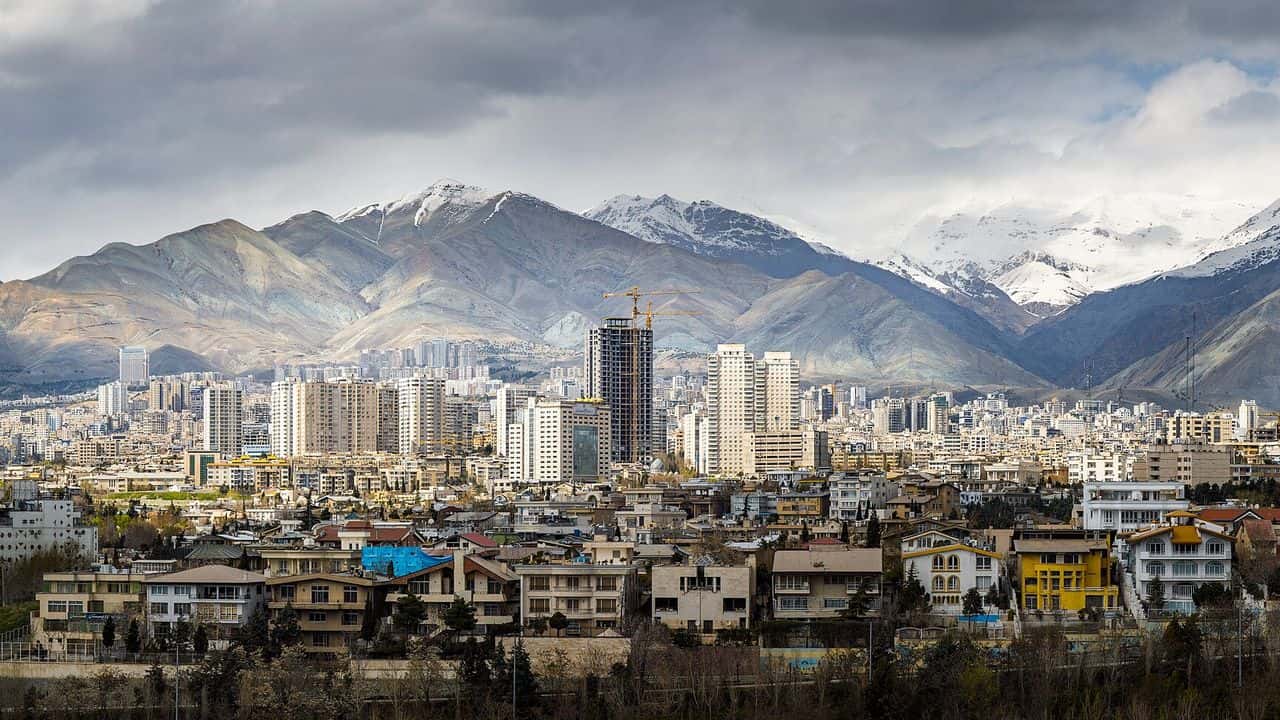 File photo · Tehran · Apr 2019 · Amir Pashaei · CC BY-SA 4.0 · Source & license
Earlier context and later coverage are dated relative to this report. Automatically linked reports may cover a broader event.
No later reports linked yet.
Follow this story to find new evidence in your Following desk.
A sustained escalation that credibly threatens Hormuz shipping would likely lift crude oil prices and firm expectations for defense and energy names given the volume of Gulf trade at risk.
Historical precedent shows Iran has consistently stopped short of actually closing Hormuz despite repeated threats, since doing so would also cripple its own oil export revenue, making the retaliation options discussed largely rhetorical rather than market-moving.
Kept as written · your side, if you take one, is graded privately against licensed closes after 10 trading days · nothing here is advice · How the Wire is made →