Fed Chairman Seeks to Calm Concerns About Elevated Inflation
Fed Chairman Kevin M. Warsh said the central bank is chiefly responsible for taming inflation and warned that more work would be needed if price increases do not quickly return to target. The remarks keep policy credibility and the timing of future rate decisions at the center of the macro setup, but provide no new company-specific signal.
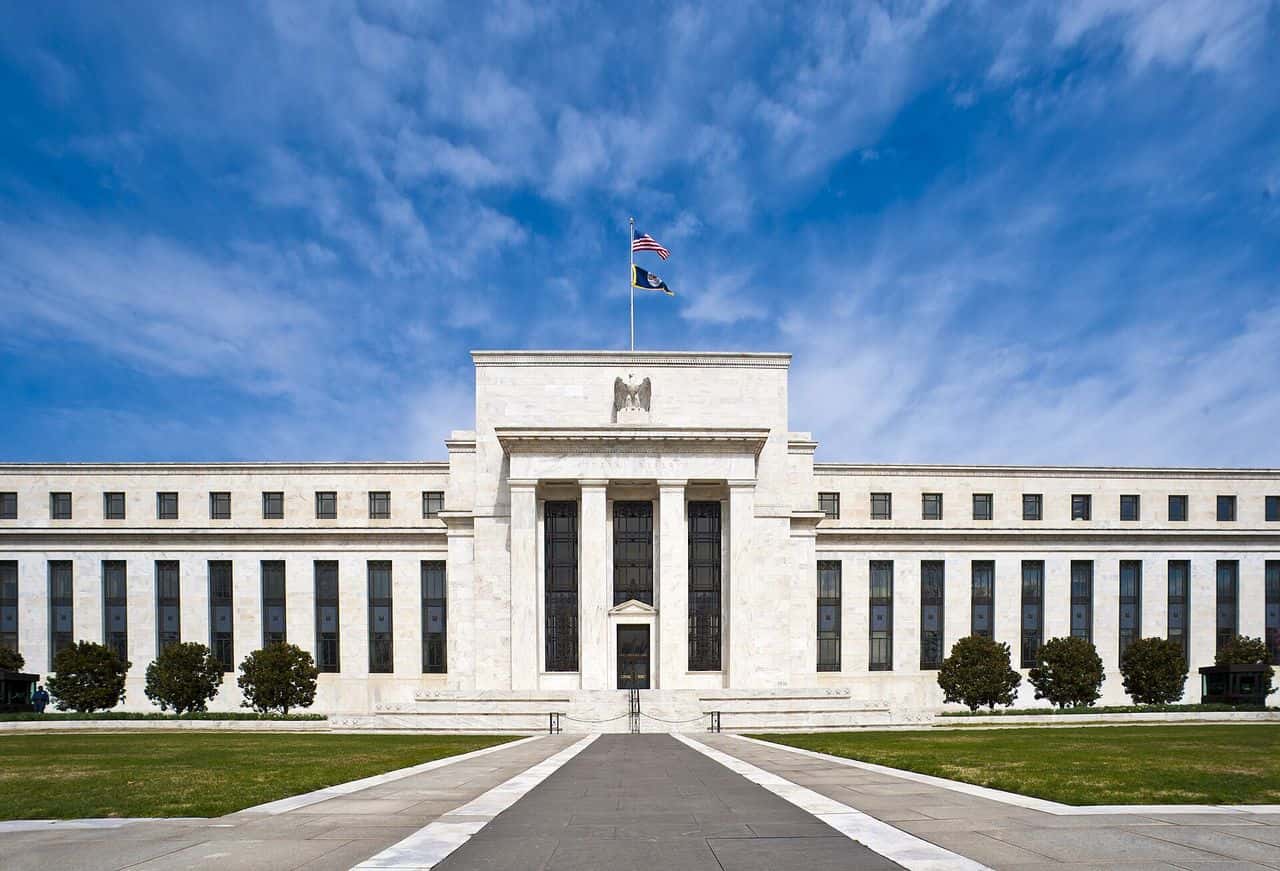 File photo · The Federal Reserve’s Eccles Building, Washington · Mar 2011 · Federal Reserve · Public domain · Source & license
The story
Kevin M. Warsh used a high-profile speech to address concerns that inflation remains elevated, saying the Federal Reserve bears primary responsibility for bringing price increases back under control. He added that “we have work to do” if inflation does not return quickly to the central bank’s target, according to the New York Times Business report published August 28, 2026.
The remarks come against a backdrop of concern that inflation has not settled at the pace policymakers would prefer. Warsh’s comments do not announce a rate decision, a change in policy guidance, or a new inflation forecast. Instead, they reinforce the Fed’s existing responsibility for restoring price stability and signal that the institution is not treating a slow return to target as a problem that can be ignored.
The direct mechanism runs through monetary policy rather than a single company. A persistent inflation problem could keep the Fed focused on restrictive policy, while a quicker return to target would give officials more room to adjust rates.
The speech also leaves important details unresolved. No ticker-specific enrichment is available for this story.
The next evidence will have to come from forthcoming inflation data and the Fed’s next policy communications. Those releases will show whether price increases are moving back toward target and whether officials translate Warsh’s warning into a different policy stance. Until then, the speech is primarily a reaffirmation of institutional responsibility rather than a new, tradeable policy decision.
Our read · Sat, Aug 29
With no ticker-specific evidence, Warsh’s speech leaves the macro read balanced: inflation persistence could prolong restrictive policy, while a return toward target would reopen policy flexibility.
Why. The implication is a policy-sensitive macro setup, not a single-name equity trade: persistent inflation would keep pressure on the Fed to maintain restraint, while faster progress toward target would reduce that pressure. Warsh supplied no new inflation figure, rate decision or dated policy change, and there is no ticker enrichment to narrow the read.
Both cases
What could change this view: The read fails if the next inflation data and Fed communication provide no confirmation of either persistent price pressure or a meaningful shift in policy expectations.
Who reported it · 22
Keep reading
Latest on the Wire
Trump threatens overseas AI data-centre ban for US firmsBitcoin drops below $59,000 as cash rush revives summer-low testGreer says US chip curbs will close China export-control loopholesBlackRock bitcoin ETF posts $541.1 million outflow as tech sell-off spreadsPoland says Russian missiles and drone crashed during Ukraine assaultContinue on the Wire →Latest on the Wire
BlackRock bitcoin ETF posts $541.1 million outflow as tech sell-off spreadsPoland says Russian missiles and drone crashed during Ukraine assaultUS MATCH Act puts ASML at center of China chip export disputeBeijing plans to bar young red-chip firms from overseas listingsContinue on the Wire →Top this week
Nvidia allies lobby board to bring back Jensen Huang as CEONvidia chair rules out Huang return as CEO after 75% sales outlookAnthropic Said to Guide IPO Pricing Above Market RangeNvidia interim CEO Colette Kress faces first earnings test after HuangAnthropic IPO could become the largest in US history on ThursdayAbout this report
Reported by NYT Business, . Who answers for this
22 reports from 13 publishers in this record. Closes are licensed end-of-day data from Databento; the move after a story is its first close against the close before it. How this is decided →
Kept as written · your side, if you take one, is graded privately against licensed closes after 10 trading days · nothing here is advice · How the Wire is made →