Iran War Exposes Limits of US Military Endurance
Six months into the US conflict with Iran, Persian Gulf oil flows have recovered to about 40% of prewar levels while the Strait of Hormuz remains constrained and pressure builds on US military personnel, equipment and finances. The setup points to a prolonged energy and readiness risk.
Six months into the conflict, oil flows from the Persian Gulf have recovered to about 40% of prewar levels. The Strait of Hormuz remains constrained, however, leaving a major route for energy shipments operating below its prewar level. The conflict represents a test of endurance rather than a short disruption. The Navy is facing mounting pressure on personnel, equipment and finances, while the reduced flow of Gulf oil shows that the economic consequences have not fully normalized. The strain has persisted six months into the conflict, changing the focus from the initial shock to the ability of the US and its partners to sustain operations. Restricted Strait of Hormuz traffic affects the movement of Persian Gulf oil, while the Navy's personnel and equipment demands raise pressure on military readiness and budgets. A new US deal involving Venezuelan oil fields is unlikely to provide a significant near-term boost to global supply. The 40% figure describes the recovery in Gulf oil flows, not a forecast for future production or prices. For markets, the open questions are operational: whether shipping restrictions ease, whether the Navy's readiness pressures translate into formal budget or procurement changes, and whether alternative oil sources can offset the remaining disruption. The current situation establishes a persistent geopolitical and supply-chain risk.
The Iran conflict keeps geopolitical and energy risks elevated, but with no named company or ticker-specific evidence the read remains a macro watch rather than a single-name equity Angle.
The tradeable consequence is a persistent macro risk premium around Gulf energy flows and US military capacity, not a grounded company-specific move. About 40% recovery in prewar oil flows is concrete, but the absence of ticker enrichment, a named procurement decision or a dated policy event leaves no defensible single-name direction.
A rapid reopening of the Strait of Hormuz or a faster-than-expected restoration of Gulf oil flows would remove the central supply and readiness pressure described in the report.
CoverageSource: Bloomberg Television · Published here SAT, AUG 29 · 8:17 AM ET · the only report in this recordHow this is decided →
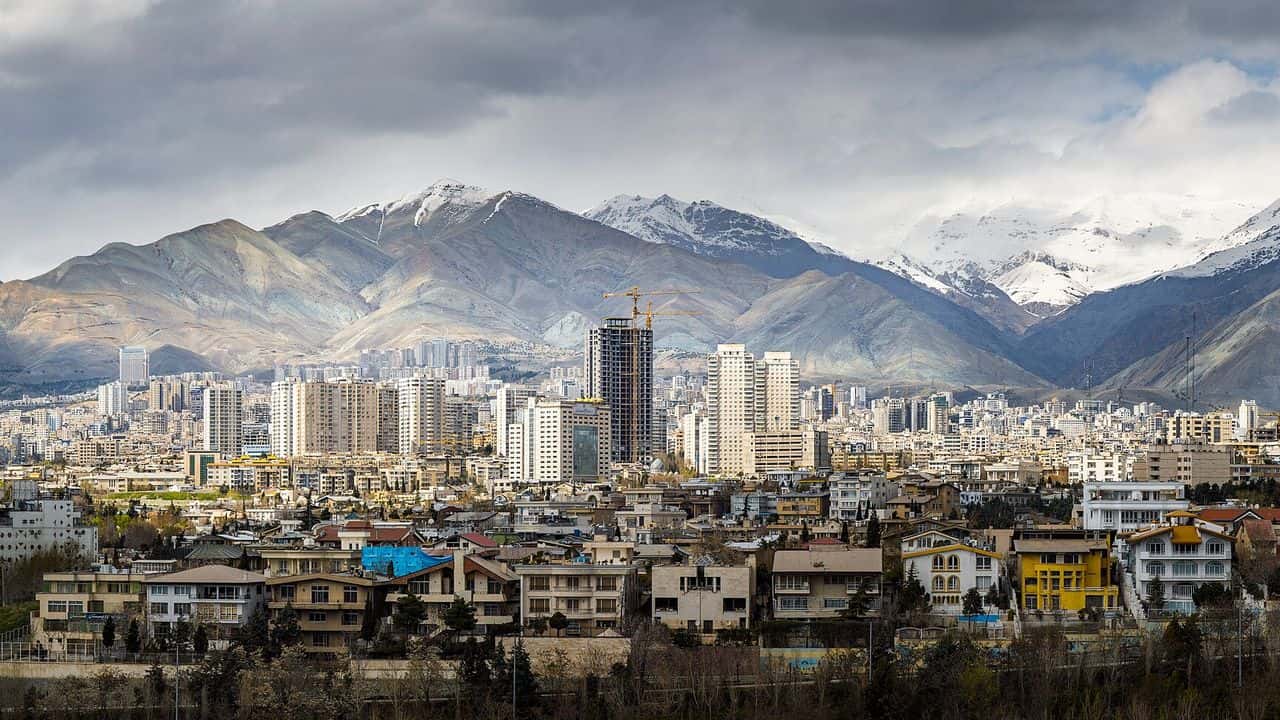 File photo · Tehran · Apr 2019 · Amir Pashaei · CC BY-SA 4.0 · Source & license
Earlier context and later coverage are dated relative to this report. Automatically linked reports may cover a broader event.
No later reports linked yet.
Follow this story to find new evidence in your Following desk.
The constrained Strait of Hormuz and mounting Navy pressure could sustain geopolitical risk and eventually drive policy or procurement responses, although no beneficiary is identified in the reporting.
The oil-flow recovery to about 40% of prewar levels shows partial normalization, and the lack of company-specific evidence leaves the case for any particular equity exposed to a broad macro reversal.
Kept as written · your side, if you take one, is graded privately against licensed closes after 10 trading days · nothing here is advice · How the Wire is made →