Federal Reserve holds interest rates steady and hints at rate hike later this year
The Federal Reserve held rates steady at its first meeting under new Chair Kevin Warsh, signaling the next move could be a rate hike rather than a cut. This marks a hawkish pivot in forward guidance that reshuffles the rate-cut narrative markets have been pricing in.
The Federal Reserve left benchmark rates unchanged at its first policy meeting under newly installed Chair Kevin Warsh, but the accompanying guidance leaned hawkish — suggesting the next rate move could be an increase rather than the cuts the market has been anticipating. This is a significant shift in tone from the prior easing bias, and Warsh has historically been more hawkish than his predecessor, making the signal credible rather than rhetorical.
The second-order setup is a broad repricing of rate-sensitive assets: short-duration bonds, rate-sensitive equities (utilities, REITs, high-multiple growth), and EM currencies all face pressure if this guidance holds. Key things to watch are the dot plot for rate-hike timing, inflation prints that could validate or invalidate the hawkish lean, and whether equity markets, which had been pricing 2-3 cuts in 2025, re-anchor to a higher-for-longer or even higher-still regime.
With Warsh's Fed signaling a potential rate hike rather than cuts, the question for TLT, VNQ, XLU and rate-sensitive equities is whether markets have sufficiently repriced away from the 2025 easing consensus.
The Fed's first meeting under Warsh delivered a hawkish hold — signaling the next move is a hike, not a cut — which directly undermines the 2-3 cut consensus markets had been pricing into long-duration bonds and rate-sensitive sectors. Warsh's documented hawkish track record makes this guidance credible, not a one-off. TLT and VNQ are the clearest expression of the repricing trade given their direct sensitivity to the long end of the curve.
If incoming inflation data softens materially or economic data deteriorates quickly, the hike signal gets walked back and the short rates trade reverses sharply; any hint of financial stress could force a dovish pivot from Warsh.
CoverageSource: NPR · Published here WED, JUN 17 · 5:00 AM ET · the only report in this recordHow this is decided →
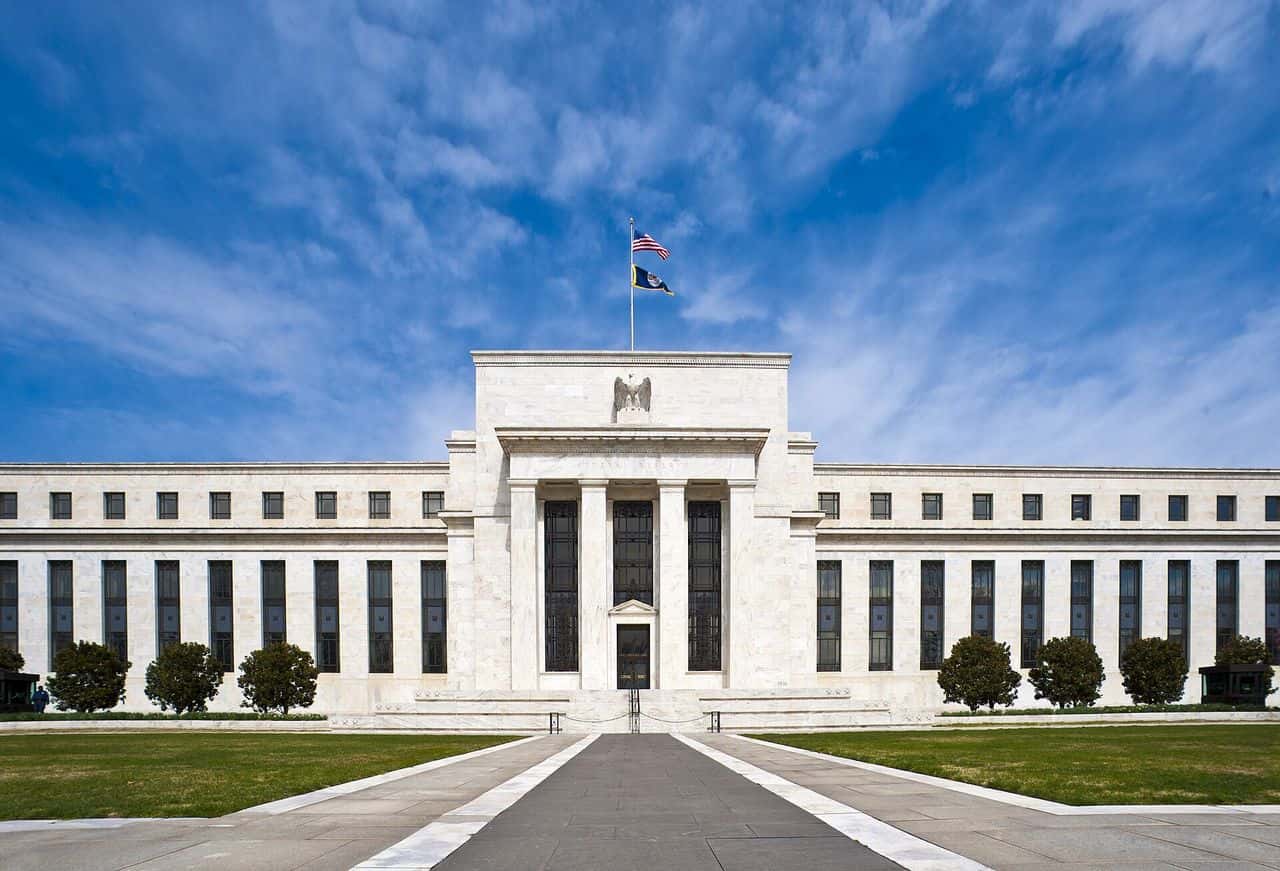 File photo · The Federal Reserve’s Eccles Building, Washington · Mar 2011 · Federal Reserve · Public domain · Source & license
Earlier context and later coverage are dated relative to this report. Automatically linked reports may cover a broader event.
No later reports linked yet.
Follow this story to find new evidence in your Following desk.
Price context does not establish that the story caused the move.
If inflation rolls over in the next 1-2 CPI prints, Warsh's hike signal gets reassessed and long-duration assets like TLT could rally as the market re-prices cuts back in, recovering recent losses.
Warsh has a documented hawkish bias from his prior Fed tenure, and with the guidance now explicitly leaning toward a hike, long-duration bonds and rate-sensitive equities remain structurally mispriced if even one hike materializes in 2025.
Kept as written · your side, if you take one, is graded privately against licensed closes after 10 trading days · nothing here is advice · How the Wire is made →