Hormuz traffic slows after Iran threatens retaliation for US attacks
Traffic through the Strait of Hormuz has slowed after Iran threatened retaliation for US attacks. The disruption raises immediate supply-chain and energy-market risk, though the scale or duration of any interruption remains unclear.
Traffic through the Strait of Hormuz has slowed following Iran's threat of retaliation for US attacks. The development follows an escalation in US-Iran tensions, with the threat of retaliation creating a new operational risk around one of the world's key maritime chokepoints. It is a change from normal passage, though it remains unclear whether the slowdown reflects a temporary precaution by shipowners or a broader restriction on commercial traffic.
The direct exposure runs through shipping companies, insurers, energy producers and refiners that depend on cargoes moving through the strait. The concrete mechanism is potential delay, rerouting, higher insurance costs or reduced availability of crude and refined products.
The central uncertainty is the gap between slower traffic and a formal blockade or sustained closure. Key questions include the number of vessels affected, the duration of the slowdown, any official navigation orders, and responses from Iran, the US and shipping operators.
Decisive evidence would come from confirmation of vessel counts, route diversions, insurance restrictions, or official statements changing navigation conditions. Any move from precautionary slowing to cargo denial would materially alter the situation; a prompt return to normal traffic would weaken the disruption signal.
With no named equity directly exposed in the report, the Hormuz slowdown raises geopolitical and energy-disruption risk without establishing a tradeable company-specific read.
The immediate implication is a higher tail risk for energy logistics. The read turns materially more bearish for transport and energy-sensitive equities only if slower traffic becomes cargo denial, route diversion or sustained insurance repricing.
The slowdown may be precautionary and temporary; confirmed normal traffic or de-escalation would remove the disruption premium.
CoverageSource: Investing.com · Published here MON, SEP 7 · 11:24 PM ET · the only report in this recordHow this is decided →
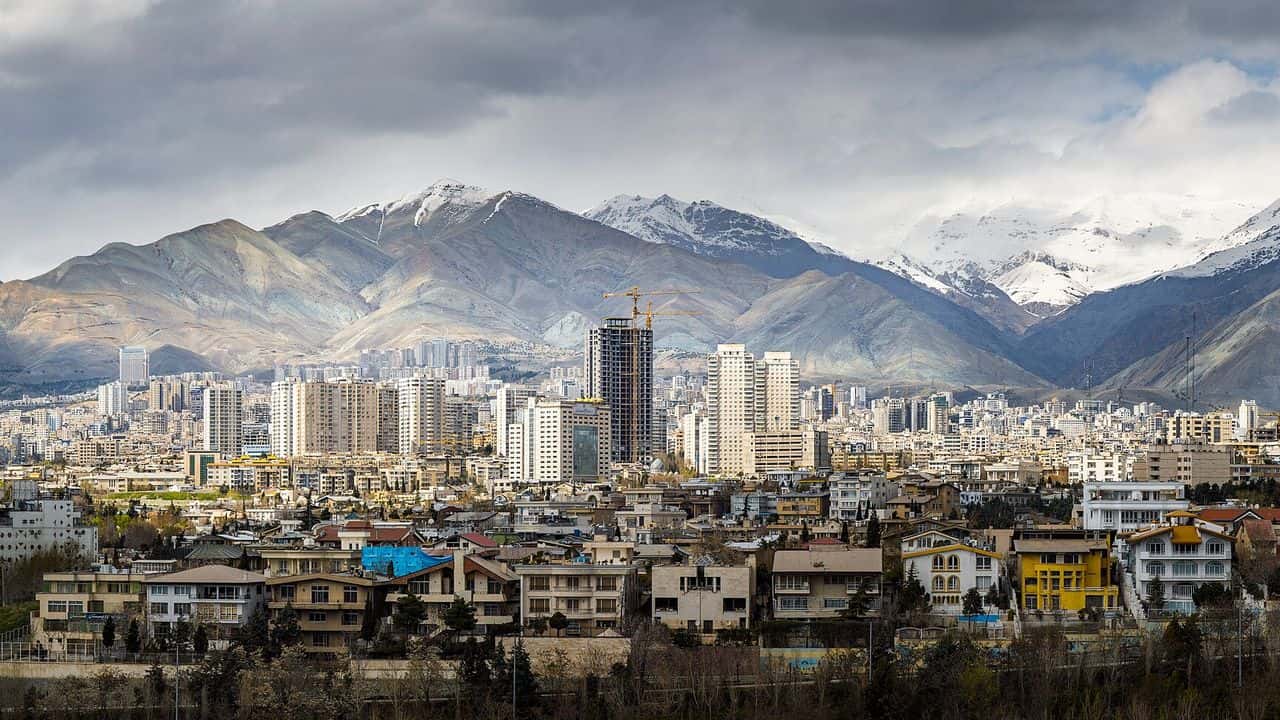 File photo · Tehran · Apr 2019 · Amir Pashaei · CC BY-SA 4.0 · Source & license
Earlier context and later coverage are dated relative to this report. Automatically linked reports may cover a broader event.
No later reports linked yet.
Follow this story to find new evidence in your Following desk.
A sustained slowdown through Hormuz could tighten energy logistics and raise shipping and insurance costs, creating pressure across exposed supply chains.
The evidence may describe a short-lived precaution rather than a durable supply disruption.
Kept as written · your side, if you take one, is graded privately against licensed closes after 10 trading days · nothing here is advice · How the Wire is made →