Iran and Oman discuss temporary Strait of Hormuz corridor as US impasse continues
Iran and Oman are discussing a temporary corridor through the Strait of Hormuz while an impasse with the US continues. The setup keeps a near-term disruption risk in play but leaves room for energy markets to react to any de-escalation.
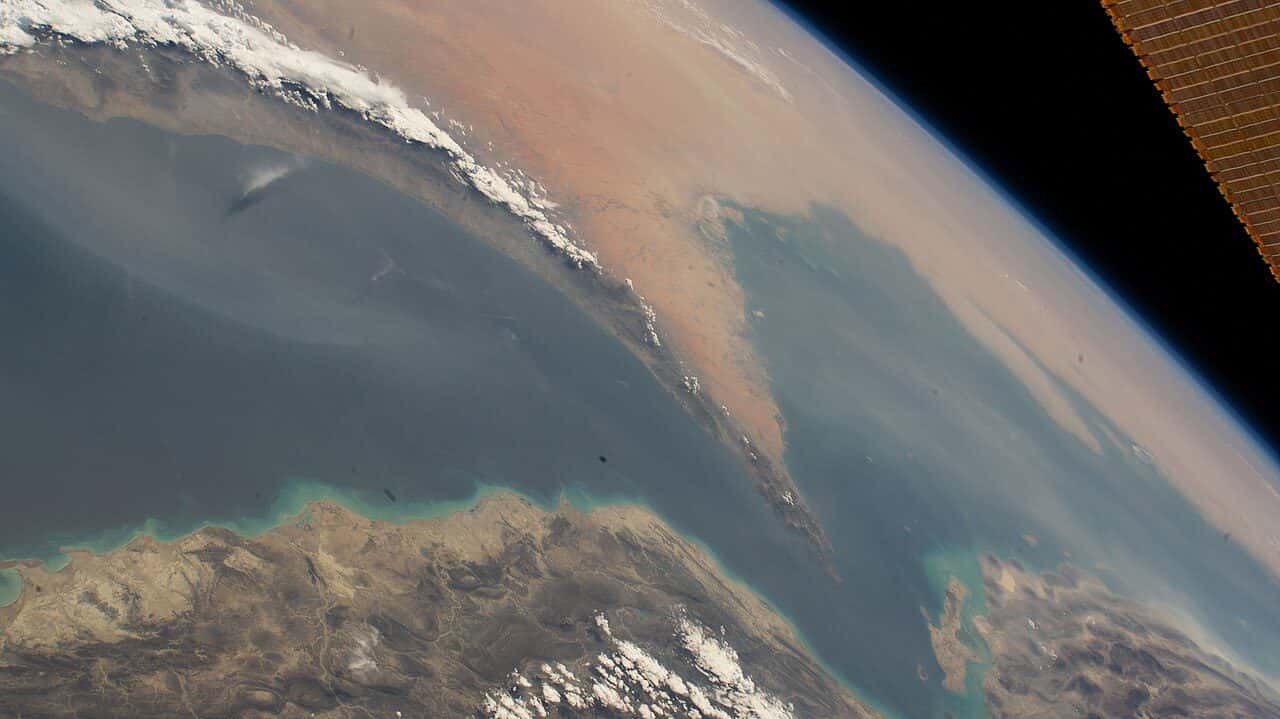 File photo · The Strait of Hormuz, from the International Space Station · Aug 2022 · NASA · Public domain · Source & license
The story
Iran and Oman are discussing a temporary passage arrangement through the Strait of Hormuz as a broader impasse with the US remains unresolved. The specific terms and timing of any such corridor remain unclear.
The Strait of Hormuz is the mechanism linking the diplomatic talks to energy markets: any arrangement that improves passage conditions could ease concerns about disruption, while a failed effort would leave those concerns in place. Iran, Oman, and the US are the directly involved parties.
Key developments to watch include confirmation of an agreement, details on how long the corridor would operate, and evidence that vessels are actually transiting under the arrangement. The unresolved US impasse remains the key open variable.
Our read · Thu, Aug 27
With no single-company exposure identified, the Hormuz story keeps energy-disruption risk two-sided: a confirmed corridor would ease the threat premium, while a continued US impasse preserves the disruption tail.
Why. The immediate market implication is a two-way energy-risk setup rather than a single-name trade: credible passage terms could reduce disruption concerns, but the unresolved US impasse leaves the risk of renewed tension intact. The absence of named equities or confirmed corridor terms limits the precision of any company-specific read.
Both cases
What could change this view: The setup is invalidated as a trade thesis if the corridor is confirmed with durable operating terms and routine vessel passages, or if talks collapse into a broader escalation.
Who reported it · 8
Keep reading
Latest on the Wire
Trump threatens overseas AI data-centre ban for US firmsBitcoin drops below $59,000 as cash rush revives summer-low testGreer says US chip curbs will close China export-control loopholesBlackRock bitcoin ETF posts $541.1 million outflow as tech sell-off spreadsPoland says Russian missiles and drone crashed during Ukraine assaultContinue on the Wire →Latest on the Wire
BlackRock bitcoin ETF posts $541.1 million outflow as tech sell-off spreadsAnthropic debut fails to halt technology-led slide in US stocksUS MATCH Act puts ASML at center of China chip export disputeBeijing plans to bar young red-chip firms from overseas listingsContinue on the Wire →Top this week
Nvidia allies lobby board to bring back Jensen Huang as CEONvidia chair rules out Huang return as CEO after 75% sales outlookAnthropic Said to Guide IPO Pricing Above Market RangeNvidia interim CEO Colette Kress faces first earnings test after HuangAnthropic IPO could become the largest in US history on ThursdayAbout this report
Reported by Investing.com as Iran and Oman discuss temporary Hormuz corridor as impasse with US drags on
, . Who answers for this
8 reports from 4 publishers in this record. Closes are licensed end-of-day data from Databento; the move after a story is its first close against the close before it. How this is decided →
Kept as written · your side, if you take one, is graded privately against licensed closes after 10 trading days · nothing here is advice · How the Wire is made →