Iran and US Brace for Long War
Iran and the US appear set for a prolonged, low-intensity conflict, with no near-term ceasefire in sight and Middle East energy flows still disrupted. The unresolved Strait of Hormuz and nuclear issues leave the region exposed to further supply shocks and geopolitical escalation.
Iran and the US are preparing for a protracted confrontation rather than an imminent return to normal relations. The conflict has settled into a stalemate at relatively low intensity, but the central disputes remain unresolved and there is little indication of a near-term ceasefire.
The Strait of Hormuz is a key unresolved issue because it is the route through which regional energy flows move; continued uncertainty around control of the passage keeps normalization at risk. Iran's nuclear program is the other central fault line, linking the military standoff to a broader dispute that has not been resolved through diplomacy.
The implications run primarily through regional energy logistics and the potential for renewed escalation. A stalemate and low-intensity hostilities characterize the current situation, not a confirmed escalation or a negotiated settlement. The duration and economic impact of the disruption remain uncertain.
The next decisive developments would be a formal ceasefire or diplomatic agreement, any change in the status of the Strait of Hormuz, and new steps involving Iran's nuclear program. Until one of those produces a clear change, continued geopolitical uncertainty rather than a defined single-name equity setup appears likely.
With no single listed company in focus, the Iran-US stalemate keeps the energy and geopolitical risk picture unresolved rather than creating a defined equity trade.
The key market consequence is persistent uncertainty around regional energy flows: a stalemate avoids an immediate resolution but also leaves the Strait of Hormuz and Iran’s nuclear program as open escalation points. With no company-specific exposure or quantified shipment impact identified, the evidence supports an event-driven risk assessment rather than a single-name directional call.
A ceasefire, diplomatic settlement, or confirmed normalization of Hormuz traffic would remove the central risk described in the report.
CoverageSource: Bloomberg Television · Published here FRI, SEP 11 · 1:13 AM ET · the only report in this recordHow this is decided →
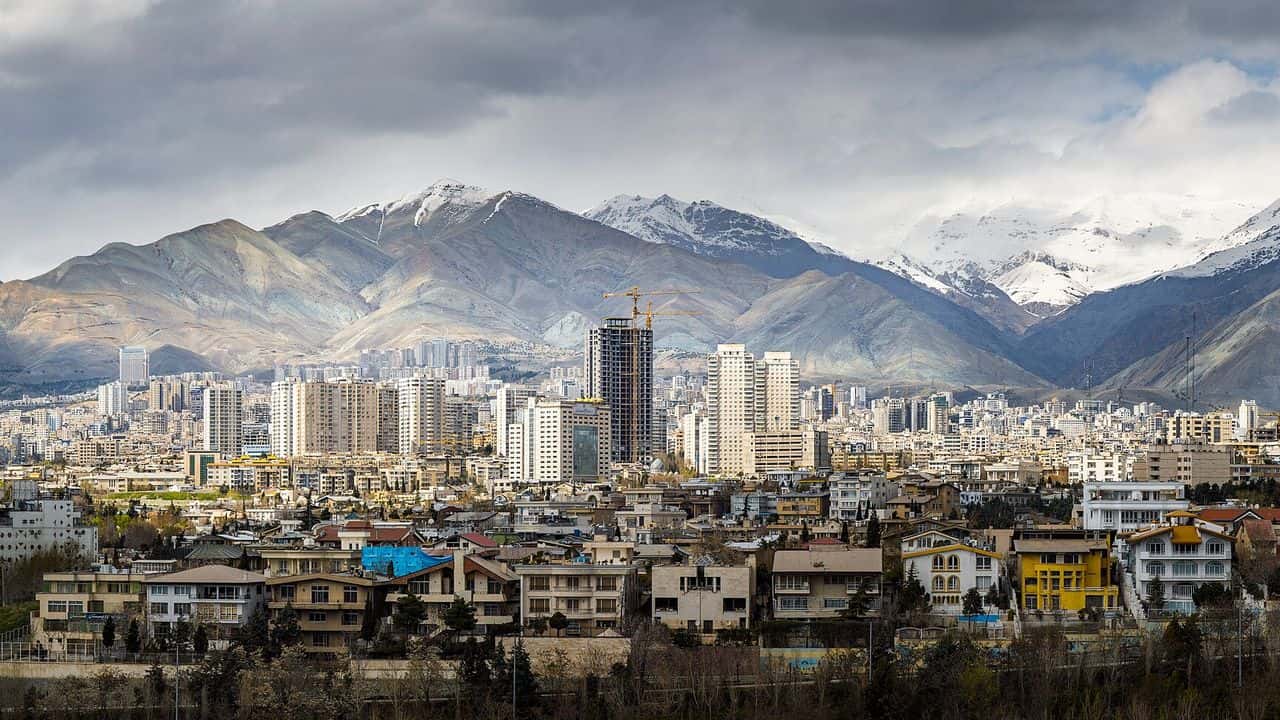 File photo · Tehran · Apr 2019 · Amir Pashaei · CC BY-SA 4.0 · Source & license
Earlier context and later coverage are dated relative to this report. Automatically linked reports may cover a broader event.
No later reports linked yet.
Follow this story to find new evidence in your Following desk.
A prolonged disruption around the Strait of Hormuz could keep geopolitical risk and energy-supply concerns elevated.
The opposing case is that hostilities remain low intensity and a ceasefire or diplomatic breakthrough could restore normal Middle East energy flows, but Bloomberg Television gives no timetable for either outcome.
Kept as written · your side, if you take one, is graded privately against licensed closes after 10 trading days · nothing here is advice · How the Wire is made →