Iran says Hormuz reopening depends on U.S. meeting its conditions
Iran has made the reopening of the Strait of Hormuz conditional on the United States meeting unstated demands, keeping a major oil-shipping chokepoint tied to negotiations. This creates elevated uncertainty for energy markets and transport through the strait, though the specific conditions and any reopening timetable remain unclear.
Iran has linked the reopening of the Strait of Hormuz to the United States meeting conditions. The nature of those conditions, whether Washington has responded, or any timetable for restoring passage through the waterway remain unspecified.
Hormuz is a critical route for energy shipments, so the statement keeps the status of the strait dependent on diplomacy rather than a confirmed operational decision. No prior reopening date, shipment figure or formal U.S.-Iran agreement has been announced.
The direct actors are Iran and the United States: Iran's conditions create the negotiating mechanism, while the absence of a stated U.S. response leaves the next step unclear. Energy producers, refiners, shippers and consumers could be affected through changes in transit access and perceived supply risk.
The central uncertainty is material. What Iran is demanding, whether the conditions are new, or whether talks are underway all remain unknown. That leaves the market impact dependent on further developments: the content of the conditions, any U.S. acceptance or rejection, and whether vessels can pass in practice.
The next decisive evidence would be a dated U.S. or Iranian statement setting out the conditions, a diplomatic meeting, or confirmation that commercial traffic has resumed. Until then, the situation represents a negotiating dependency rather than a confirmed reopening schedule or quantified supply shock.
The Hormuz statement keeps geopolitical and energy-supply risk elevated, but the lack of stated conditions or a timetable leaves no single-name equity read.
The market consequence is conditional rather than directional: Hormuz access remains tied to negotiations. The next U.S. or Iranian statement is the key decision point because it could clarify whether the dependency is moving toward resolution or prolonged restriction.
A public agreement or verified resumption of commercial traffic would remove the immediate disruption premium; an undisclosed condition also limits the ability to assess the setup.
CoverageSource: Investing.com · Published here SAT, SEP 12 · 1:04 PM ET · the only report in this recordHow this is decided →
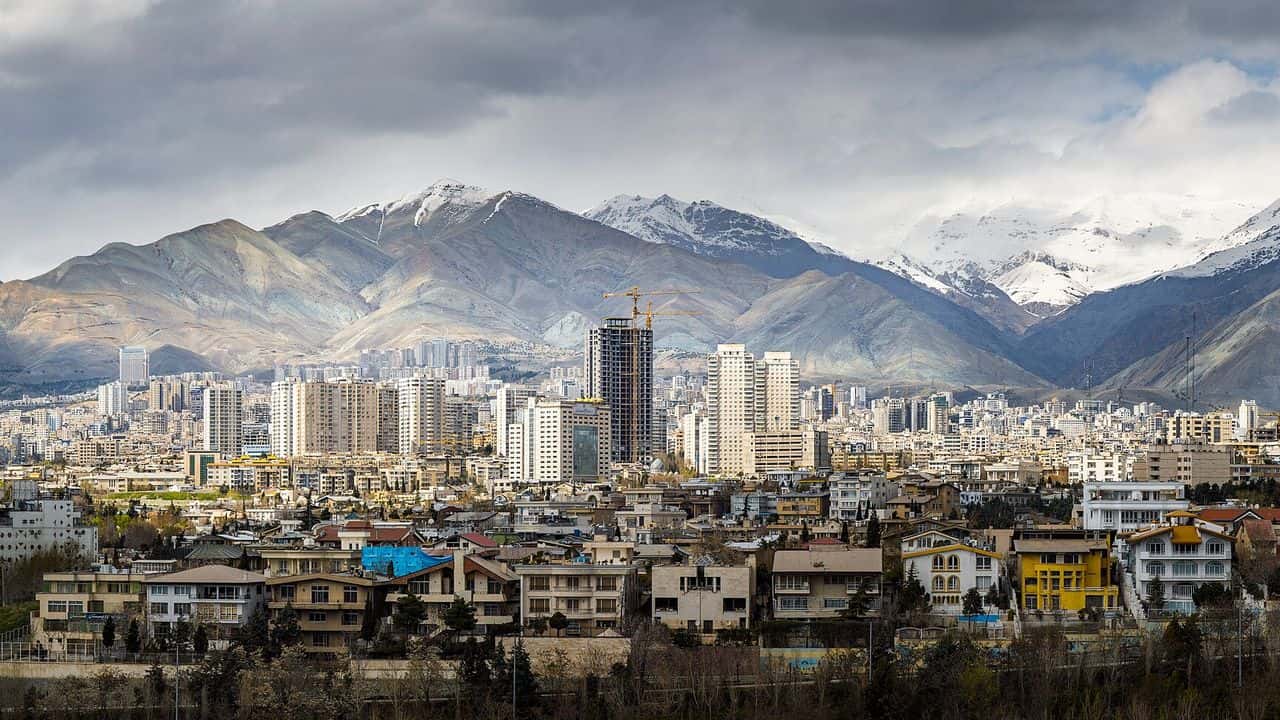 File photo · Tehran · Apr 2019 · Amir Pashaei · CC BY-SA 4.0 · Source & license
Earlier context and later coverage are dated relative to this report. Automatically linked reports may cover a broader event.
No later reports linked yet.
Follow this story to find new evidence in your Following desk.
A U.S.-Iran meeting that addresses Iran’s conditions could provide a concrete path to reopening the strait and reduce energy-shipping uncertainty.
A prolonged diplomatic impasse could keep Hormuz access unresolved.
Kept as written · your side, if you take one, is graded privately against licensed closes after 10 trading days · nothing here is advice · How the Wire is made →