Trump Admin Proposes New $100K H-1B Fee To Offset Immigration Enforcement Costs
The Trump administration proposed charging employers $103,265 for each H-1B skilled foreign worker, with proceeds earmarked for immigration-system costs including courts and ICE. The proposal revives a fee structure previously blocked by a federal judge, putting labor costs, implementation timing and litigation back on the table for companies reliant on H-1B workers.
The proposed regulation would require employers to pay $103,265 for H-1B skilled foreign workers, according to a filing posted Monday. The administration said the revenue would help offset the costs of operating the federal immigration system, including immigration courts and US Immigration and Customs Enforcement.
The measure would directly affect employers that use H-1B visas to source skilled foreign labor, particularly in sectors where those workers are part of technical and professional staffing plans.
The proposal follows an attempted $100,000 fee that a federal judge in Massachusetts rejected in June after it was introduced through a presidential proclamation. The next material developments are the regulation's formal process, any effective date and the expected legal challenges.
With no company-specific exposure or ticker enrichment, the proposed H-1B fee is a regulatory cost risk for visa-dependent employers but not a grounded single-name trade.
The immediate implication is a potentially material labor-cost and hiring constraint for employers that depend on H-1B workers. The prior judicial rejection makes litigation and the administration's ability to implement the regulation the decisive variables, leaving the outcome uncertain.
The trade read fails if the proposal is withdrawn, materially altered, delayed, or blocked again in court; company-specific exposure is also unknown.
CoverageSource: ZeroHedge · Published here WED, AUG 26 · 6:37 AM ET · 2 reports · 2 publishers in this record · latest listed: Investing.com · WED, AUG 26 · 6:37 AM ETHow this is decided →
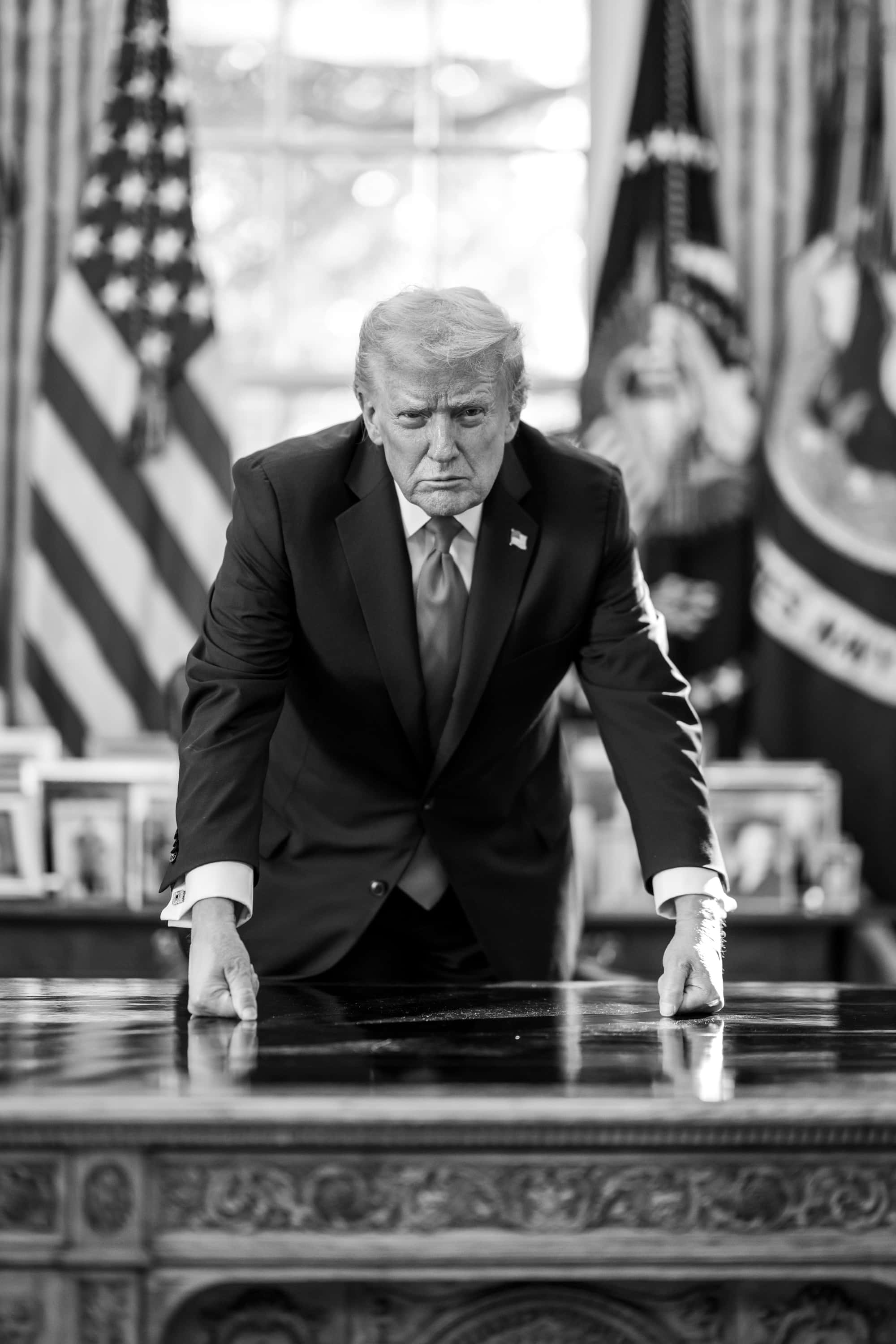 File photo · Jan 7, 2026 · Daniel Torok · Public domain · Source & license
Earlier context and later coverage are dated relative to this report. Automatically linked reports may cover a broader event.
No later reports linked yet.
Follow this story to find new evidence in your Following desk.
Employers could avoid the proposed charge if the regulation is blocked or if staffing plans rely less on H-1B workers than assumed.
The proposed $103,265 charge revives a direct cost and staffing risk for H-1B-dependent employers, while the prior court rejection signals a substantial implementation hurdle.
Kept as written · your side, if you take one, is graded privately against licensed closes after 10 trading days · nothing here is advice · How the Wire is made →