Benign CPI reading would ease pressure on Fed to raise rates in September
A benign Consumer Price Index reading would reduce pressure on officials to raise borrowing costs at the September meeting, while a hotter report could revive the case for tighter policy. The setup leaves rate-sensitive assets driven by the inflation surprise rather than by a clear directional signal in advance.
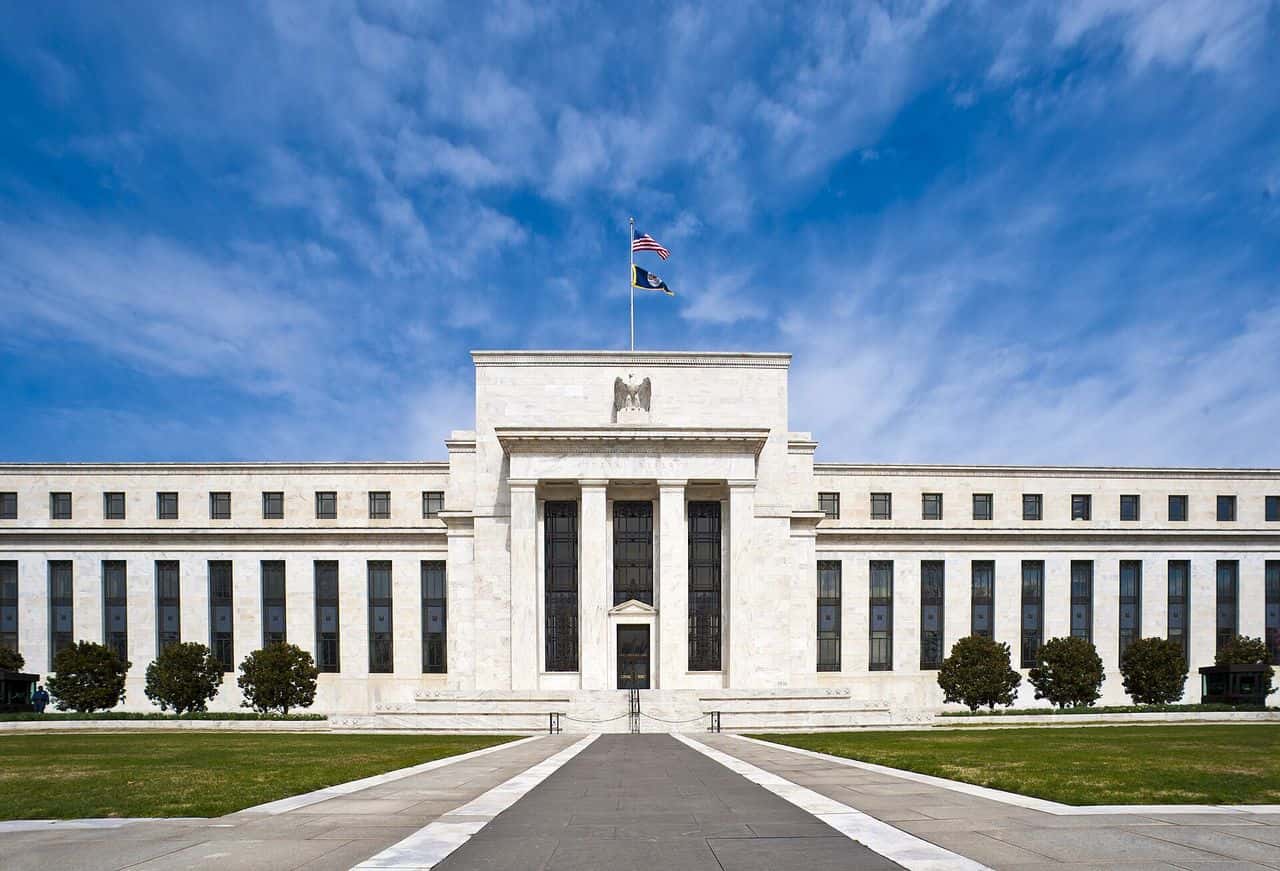 File photo · The Federal Reserve’s Eccles Building, Washington · Mar 2011 · Federal Reserve · Public domain · Source & license
The story
The latest Consumer Price Index report is positioned as the key input into the Federal Reserve's September rate decision. A benign reading would reinforce patience and reduce the urgency around a rate rise. A hotter-than-expected report would instead make officials more willing to consider lifting borrowing costs.
The story matters for rate-sensitive markets, including government bonds, equities and the currency, but no single company is identified. With no ticker enrichment or specific inflation figures provided, the transmission runs through expectations for September policy rather than company fundamentals.
The setup is therefore two-sided: softer inflation supports the patience narrative, while renewed price pressure would challenge it. The next CPI release and subsequent official commentary are the principal catalysts, with the initial market move likely depending on how the data changes rate expectations.
Our read · Wed, Aug 12
The CPI release keeps September-rate exposure squarely two-sided: benign inflation supports patience, while a hotter print would revive the case for higher borrowing costs.
Why. The headline identifies a clear macro catalyst but provides no CPI figure, forecast, market pricing, or ticker enrichment to establish a directional trade. The evidence supports a two-sided reaction function: benign inflation reinforces patience, while a hotter reading increases pressure for tighter policy.
Both cases
What could change this view: The setup fails to carry a directional read if the CPI release is broadly in line with expectations or if subsequent official commentary offsets the initial rate-market reaction.
Who reported it · 1
Keep reading
Latest on the Wire
AMD shares fall 11% after Hunterbrook warns over China linksWalmart raises full-year outlook as e-commerce wins shoppersAnthropic IPO could become the largest in US history on ThursdayContinuing claims rise as Goldman sees Fed hikes in December and MarchPIF Tower in Riyadh reportedly damaged in second Houthi attackContinue on the Wire →Latest on the Wire
Trump Media buys back $100 million of notes ahead of Nov. 30 cash demandBiohaven reports confirmed BHV-1530 responses in two FGFR3 cancersTrump, Xi and Putin pledge more refined fuel after first trilateral summitSky reserve linked to $518 million in illicit activity, investigation findsContinue on the Wire →Top this week
Nvidia allies lobby board to bring back Jensen Huang as CEONvidia chair rules out Huang return as CEO after 75% sales outlookAnthropic Said to Guide IPO Pricing Above Market RangeNvidia interim CEO Colette Kress faces first earnings test after HuangNvidia CEO Jensen Huang reportedly resigns as US-China tensions riseAbout this report
Reported by NYT Business as Benign Inflation Data Would Reduce Urgency Around September Rate Rise
, . Who answers for this
The only report in this record. Closes are licensed end-of-day data from Databento; the move after a story is its first close against the close before it. How this is decided →
Kept as written · your side, if you take one, is graded privately against licensed closes after 10 trading days · nothing here is advice · How the Wire is made →