Bessent Blames China For Derailing G20 Joint Communique
Treasury Secretary Scott Bessent said China blocked a G20 finance communiqué by rejecting language criticizing trade surpluses and export-led economic models. The failed consensus raises the risk that trade tensions remain a persistent macro overhang rather than moving toward a coordinated resolution.
The G20 finance meetings in Asheville, North Carolina, ended Tuesday after four days of discussions among finance ministers and central bank chiefs focused on global trade. Treasury Secretary Scott Bessent blamed China for preventing the group from issuing a joint communiqué, saying Beijing would not endorse language aimed at trade surpluses and export-dependent economic models.
Bessent described China as the country with the world's largest and "unsustainable" current-account surplus. The dispute meant the participating governments could not agree on specific wording, leaving the meeting without the customary joint statement on the trade issues under discussion.
The disagreement centers on the mechanism by which large surpluses and export dependence affect other economies: one country's external surplus corresponds to imbalances elsewhere and can intensify political pressure for trade restrictions. By targeting that language, the US Treasury is linking the G20 process directly to concerns about China's trade model and the broader distribution of global demand.
China opposed the proposed wording rather than accepting a different communiqué. The details of how negotiations broke down remain unclear, and whether the failure will produce immediate policy changes is uncertain.
The next signals will come from statements by the Treasury and Chinese officials after the Asheville meetings, along with any subsequent G20 or bilateral discussions that revisit trade-surplus language. Investors will also need to distinguish between a procedural failure to issue a communiqué and concrete measures such as tariffs, export controls, or other changes in trade policy.
For now, the episode leaves the central dispute unresolved: Washington is pressing for explicit recognition of trade imbalances, while Beijing has withheld endorsement. Further official language or policy action will determine whether the meeting was an isolated diplomatic breakdown or another step toward a more confrontational trade framework.
The failed communiqué keeps the trade-policy risk premium elevated across global markets.
The immediate consequence is unresolved policy risk, not a quantified change to tariffs, growth, or corporate earnings. With no ticker enrichment and no concrete follow-through identified, the meeting supports vigilance on trade-sensitive assets but does not support a single-name directional read.
The risk is that the dispute remains rhetorical and produces no new trade measures, removing the expected policy premium.
CoverageSource: ZeroHedge · Published here WED, SEP 2 · 7:20 AM ET · the only report in this recordHow this is decided →
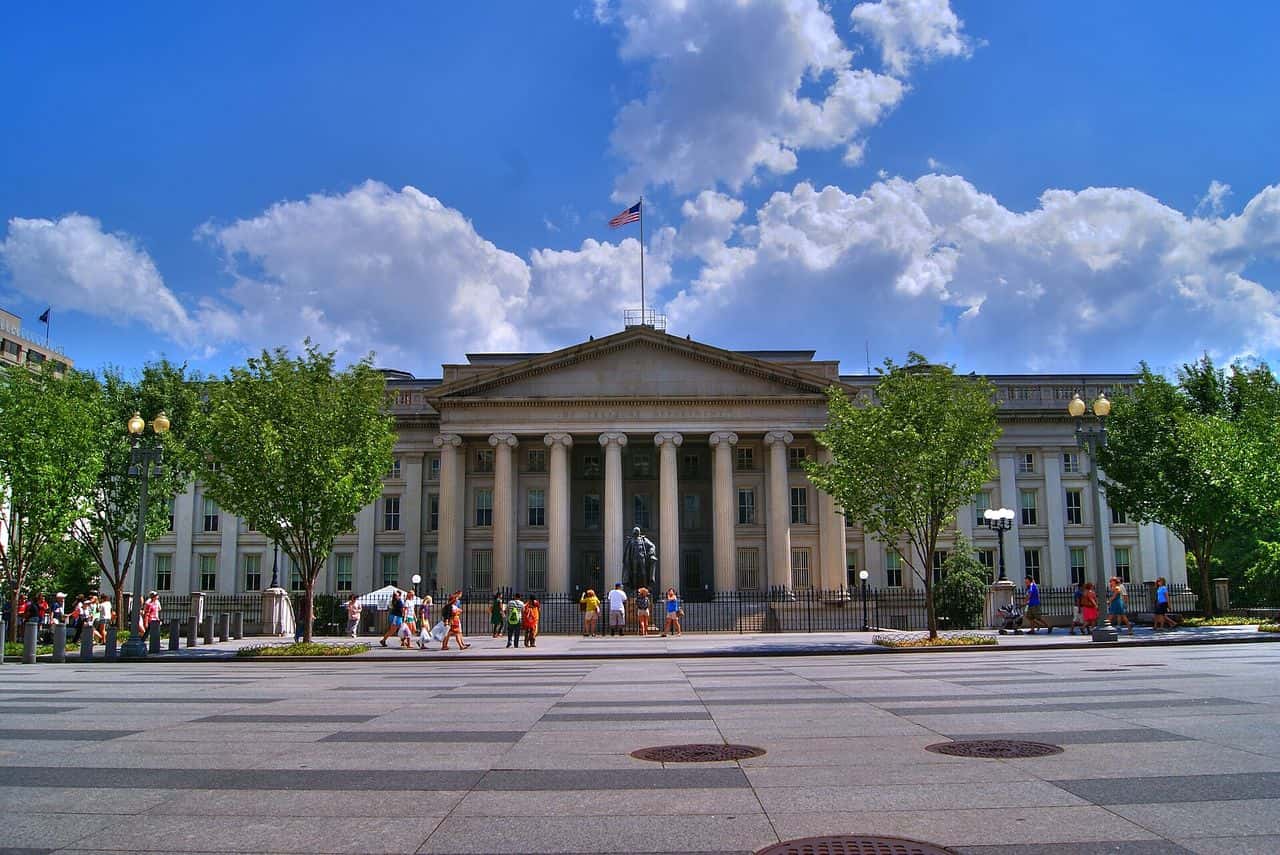 File photo · The US Treasury Building, Washington · Jun 2012 · Erich Robert Joli Weber · CC BY-SA 3.0 · Source & license
Earlier context and later coverage are dated relative to this report. Automatically linked reports may cover a broader event.
No later reports linked yet.
Follow this story to find new evidence in your Following desk.
A failure to endorse language is procedural, and the absence of announced tariffs or export controls leaves room for later compromise.
Bessent's public attribution of the breakdown to China keeps the trade-surplus dispute active and could become a basis for subsequent policy escalation.
Kept as written · your side, if you take one, is graded privately against licensed closes after 10 trading days · nothing here is advice · How the Wire is made →