Bessent’s bond intervention puts US Treasury on collision course with Fed
Scott Bessent’s push for increased Treasury debt purchases is setting up a confrontation with the Federal Reserve, according to the Financial Times. The intervention could ease government funding pressure while making Kevin Warsh’s inflation-fighting task harder.
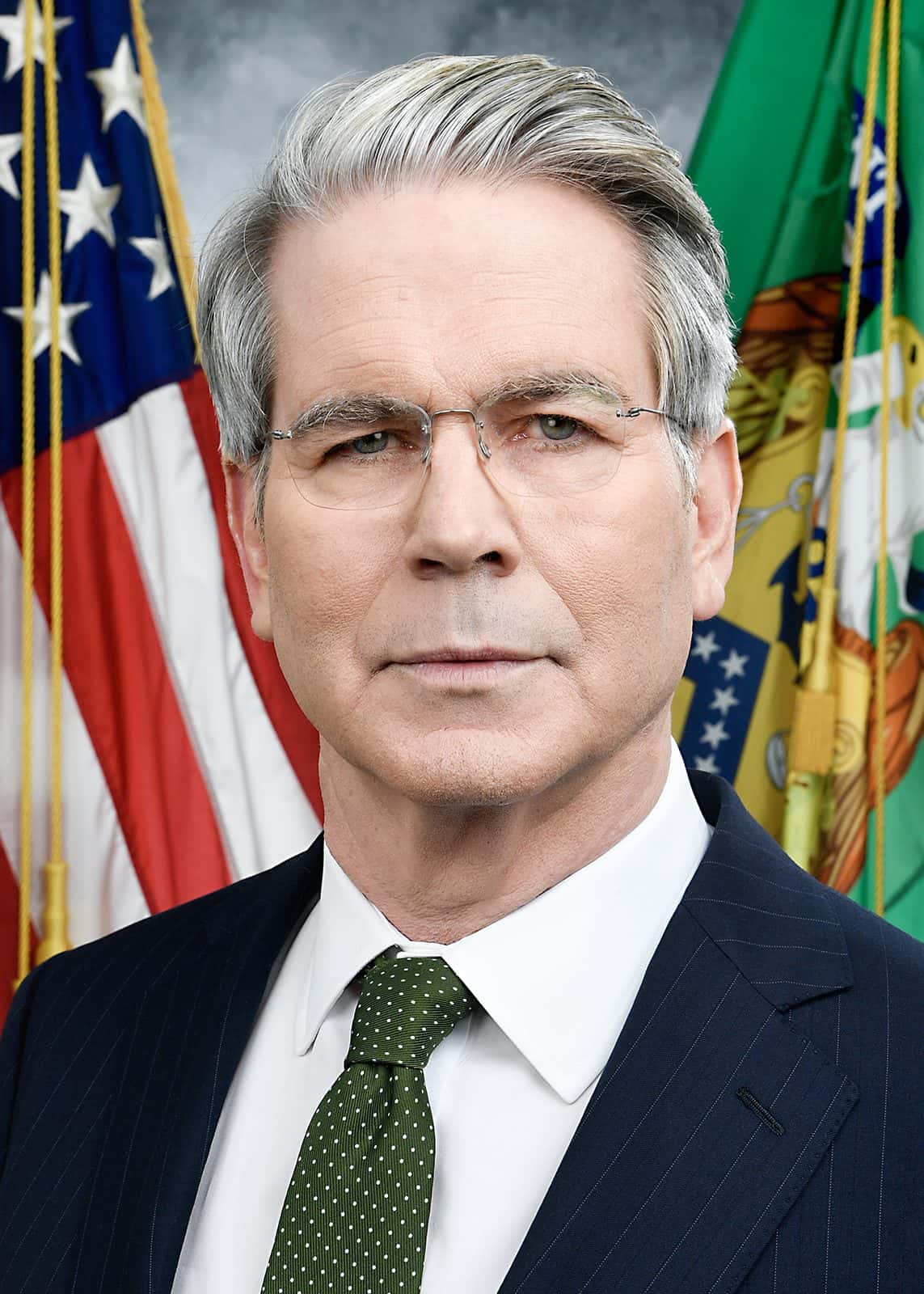 File photo · Feb 6, 2025 · U.S. Department of the Treasury · Public domain · Source & license
The story
Treasury Secretary Scott Bessent is pursuing increased purchases of US government debt, putting Treasury policy on a collision course with the Federal Reserve. The issue centers on the effect of those purchases on financial conditions and the central bank's effort to contain inflation under Fed chair Kevin Warsh.
The mechanism runs through the relationship between Treasury debt management and monetary policy: heavier official demand could support the bond market and influence yields, while potentially working against the Fed's attempt to keep policy restrictive enough to tame price pressures. That creates a direct institutional tension between Bessent's financing priorities and Warsh's inflation mandate.
Market participants will watch for the scale and timing of any Treasury purchases, the Fed's response, and whether inflation data or market-based measures of expectations change.
Our read · Wed, Aug 26
The report raises a rates-and-policy credibility risk for US Treasuries, with Treasury funding relief offset by potential friction with the Fed’s inflation campaign.
Why. The key consequence is a potential conflict between debt-market support and inflation control: Treasury purchases could improve demand for government bonds while complicating the Fed’s effort to keep financial conditions aligned with price stability. Without a purchase size, implementation timetable, or dated Fed response in the report, the evidence supports a policy-risk read rather than a directional trade.
Both cases
What could change this view: The setup loses force if Treasury purchases remain limited or are coordinated with the Fed in a way that does not loosen financial conditions.
Who reported it · 1
Keep reading
Latest on the Wire
Trump threatens overseas AI data-centre ban for US firmsBitcoin drops below $59,000 as cash rush revives summer-low testGreer says US chip curbs will close China export-control loopholesBlackRock bitcoin ETF posts $541.1 million outflow as tech sell-off spreadsPoland says Russian missiles and drone crashed during Ukraine assaultContinue on the Wire →Latest on the Wire
BlackRock bitcoin ETF posts $541.1 million outflow as tech sell-off spreadsPoland says Russian missiles and drone crashed during Ukraine assaultUS MATCH Act puts ASML at center of China chip export disputeBeijing plans to bar young red-chip firms from overseas listingsContinue on the Wire →Top this week
Nvidia allies lobby board to bring back Jensen Huang as CEONvidia chair rules out Huang return as CEO after 75% sales outlookAnthropic Said to Guide IPO Pricing Above Market RangeNvidia interim CEO Colette Kress faces first earnings test after HuangAnthropic IPO could become the largest in US history on ThursdayAbout this report
Reported by Financial Times, . Who answers for this
The only report in this record. Closes are licensed end-of-day data from Databento; the move after a story is its first close against the close before it. How this is decided →
Kept as written · your side, if you take one, is graded privately against licensed closes after 10 trading days · nothing here is advice · How the Wire is made →