Netanyahu describes toppling Iran as Israel's 'central mission, within reach'
Israeli Prime Minister Benjamin Netanyahu has described toppling Iran as Israel’s “central mission” and said it is within reach, even as reported White House efforts to contain the conflict before November’s midterm elections face renewed strain. The conflicting aims raise the risk that further Israeli-U.S.-Iran exchanges, including pressure around the Strait of Hormuz, could disrupt Washington’s attempt to limit escalation.
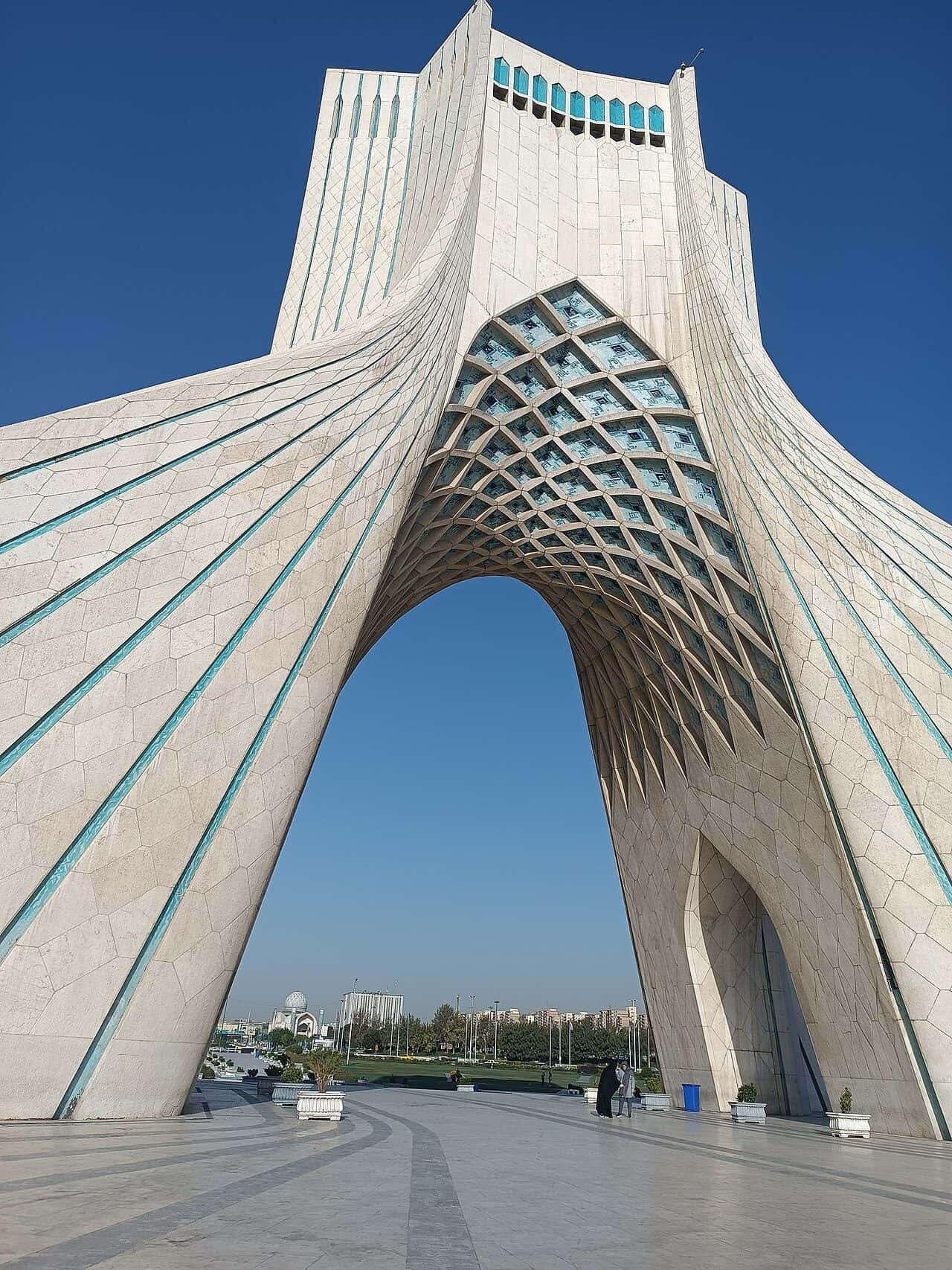 File photo · The Azadi Tower, Tehran · Mar 2023 · Mohamadgdp · CC0 · Source & license
The story
Benjamin Netanyahu has framed the removal of Iran's current regime as Israel's "central mission," adding that the objective is within reach. The remarks came after an intense flare-up in fighting during the week and overnight exchanges of attacks between the United States and Iran. These comments represent a clear statement of strategic intent rather than a narrow response to a single military incident.
The Trump White House is reportedly trying to keep the Iran war and the Strait of Hormuz situation "quiet" ahead of the November midterm elections. Top presidential aides are pushing to prevent further escalation, citing concern about Republican electoral losses. That effort was already described as under strain when the latest attacks were exchanged.
The immediate actors have different mechanisms at stake. Netanyahu's government is tying the conflict to a goal of toppling Iran, which could prolong military operations and increase pressure on regional infrastructure and shipping. The Trump administration is instead seeking containment before November, placing political timing alongside military decisions. Iran's role in the overnight exchanges leaves the Strait of Hormuz as a separate potential channel for disruption, although shipping does not appear to have been interrupted.
It remains unclear whether Israel has the capability to topple Iran, or that Washington has agreed to Netanyahu's stated objective. The administration's reported preference for keeping the conflict quiet is therefore in direct tension with the Israeli position, while the outcome of the overnight exchanges remains uncertain.
The next key markers are the continuation of attacks, any formal U.S. statement on the war's objectives, and developments around the Strait of Hormuz. November's midterm elections provide the political deadline, but no specific diplomatic or military event is identified before then. Further statements from Netanyahu, President Trump or Iranian officials would clarify whether the parties are moving toward containment or a broader campaign.
The unresolved issue is whether the White House can impose limits on escalation while Israel continues to describe regime change as an achievable central mission. Market transmission remains tied to geopolitical developments rather than company fundamentals.
Our read · Thu, Sep 3
With no single-company ticker in play, the evidence points to a widening geopolitical risk premium: Israel’s regime-change objective conflicts with Washington’s pre-midterm containment effort, leaving energy and shipping exposure vulnerable to further escalation.
Why. The setup is a clash between Israel’s stated regime-change objective and the White House’s reported effort to contain the war before November’s midterm elections, so the read is event-driven rather than company-specific. Further attacks or disruption around the Strait of Hormuz would strengthen the escalation channel; credible U.S.-Iran de-escalation would weaken it.
Both cases
What could change this view: A formal U.S.-Iran de-escalation agreement or clear evidence that the Strait of Hormuz remains unaffected would undercut the escalation risk described here.
Who reported it · 1
Keep reading
Latest on the Wire
Trump threatens overseas AI data-centre ban for US firmsBitcoin drops below $59,000 as cash rush revives summer-low testGreer says US chip curbs will close China export-control loopholesBlackRock bitcoin ETF posts $541.1 million outflow as tech sell-off spreadsPoland says Russian missiles and drone crashed during Ukraine assaultContinue on the Wire →Latest on the Wire
BlackRock bitcoin ETF posts $541.1 million outflow as tech sell-off spreadsAnthropic debut fails to halt technology-led slide in US stocksUS MATCH Act puts ASML at center of China chip export disputeBeijing plans to bar young red-chip firms from overseas listingsContinue on the Wire →Top this week
Nvidia allies lobby board to bring back Jensen Huang as CEONvidia chair rules out Huang return as CEO after 75% sales outlookAnthropic Said to Guide IPO Pricing Above Market RangeNvidia interim CEO Colette Kress faces first earnings test after HuangAnthropic IPO could become the largest in US history on ThursdayAbout this report
Reported by ZeroHedge as Bibi Makes Crystal Clear That Toppling Iran Is Israel's 'Central Mission, Within Reach'
, . Who answers for this
The only report in this record. Closes are licensed end-of-day data from Databento; the move after a story is its first close against the close before it. How this is decided →
Kept as written · your side, if you take one, is graded privately against licensed closes after 10 trading days · nothing here is advice · How the Wire is made →