Boeing Is Building 737s Faster Than It Has in Years. But Its Engineers Just Authorized an October Strike.
Boeing is accelerating 737 production while its engineers have authorized a strike for October, putting the company’s manufacturing recovery on a collision course with labor risk. The setup shifts attention from headline delivery momentum to whether a work stoppage can disrupt output, costs and Boeing’s fragile profitability.
Boeing's 737 program is producing aircraft at a faster pace than it has in years, but the improvement is arriving alongside a new labor threat. Engineers at the company have authorized a strike scheduled for October, creating a potential interruption to the production and certification work supporting Boeing's commercial-aircraft business.
The timing matters because Boeing's recovery has depended on restoring manufacturing cadence after years of quality, regulatory and operational setbacks. The company's latest financial profile shows $89.5B of revenue for fiscal 2025, up 34.5% year over year, but only a 2.5% net margin and 4.8% gross margin. Faster 737 production therefore represents an important operating signal, while the strike authorization introduces a direct risk to sustaining that progress.
The immediate company exposure is Boeing itself, whose commercial-airplanes revenue and cash generation depend on delivering aircraft and managing the costs of production. Its engineers are connected to the process through the technical and certification work required to move planes through the manufacturing system. A strike could affect schedules, labor costs and the pace at which production gains translate into completed deliveries.
Authorization is not the same as a strike, and key details remain unresolved regarding whether workers will walk out in October or the extent of negotiations. No estimate exists of lost production, additional compensation, or the financial effect on Boeing. The company's revenue growth is a concrete positive, but its thin margins leave less room to absorb a disruption than a higher-margin manufacturer would have.
The next key markers are the labor negotiations before October and the strike date itself. Boeing's production rate, aircraft deliveries, any agreement with the engineers, and the duration of a potential work stoppage would determine whether the labor dispute remains a headline risk or becomes an operating setback. Whether the higher 737 cadence is improving margins rather than merely increasing activity remains to be established in later financial reporting.
For now, the story sets up a conflict between stronger production momentum and a credible threat to the workforce supporting it. Boeing is growing quickly but remains only modestly profitable, while the size and probability of the October disruption remain uncertain.
The faster 737 cadence supports BA’s recovery, but the October engineer strike authorization puts delivery momentum and already-thin margins at risk.
The setup is genuinely two-sided: Boeing's $89.5B of revenue and 34.5% year-over-year growth support the recovery narrative, while a possible October strike threatens the production gains that underpin future deliveries. With net margin at 2.5% and gross margin at 4.8%, the company has limited profitability cushion, but whether a strike will occur and what its impact would be remain uncertain.
The read fails if engineers reach an agreement before October or if the strike authorization does not translate into a work stoppage; the upside risk is that production accelerates without disruption.
CoverageSource: Yahoo Finance · Published here SUN, AUG 30 · 2:27 PM ET · the only report in this recordHow this is decided →
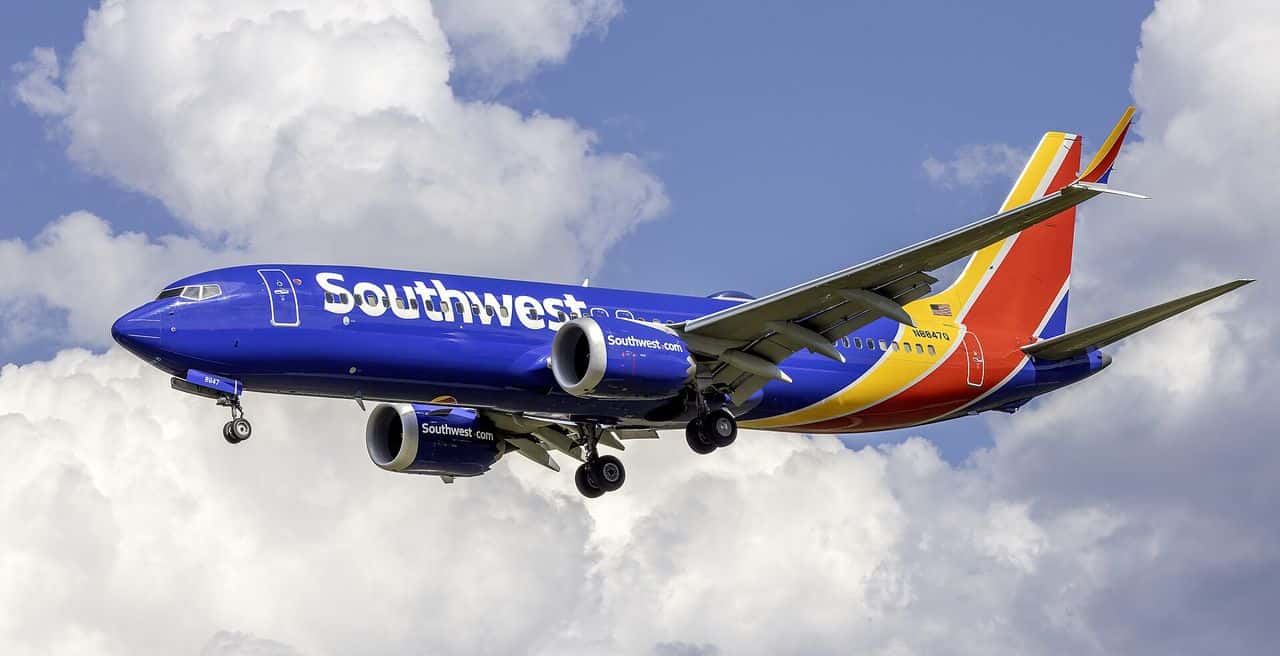 File photo · A Boeing 737 MAX 8 in flight · Aug 2025 · Acroterion · CC BY-SA 4.0 · Source & license
Earlier context and later coverage are dated relative to this report. Automatically linked reports may cover a broader event.
No later reports linked yet.
Follow this story to find new evidence in your Following desk.
Price context does not establish that the story caused the move.
Boeing’s 34.5% year-over-year revenue growth and faster 737 production provide concrete evidence that the manufacturing recovery is gaining traction.
The October strike authorization could interrupt the production and technical workflow behind that recovery, while Boeing's 2.5% net margin leaves little profitability cushion; the strike may or may not occur and its impact is unknown.
Kept as written · your side, if you take one, is graded privately against licensed closes after 10 trading days · nothing here is advice · How the Wire is made →