Iran war leaves energy markets unable to model the endgame
Energy markets are struggling to price the endgame of the Iran war, with uncertainty clouding the outlook. The setup keeps oil-sensitive equities exposed to headline-driven swings rather than a clearly modeled supply path.
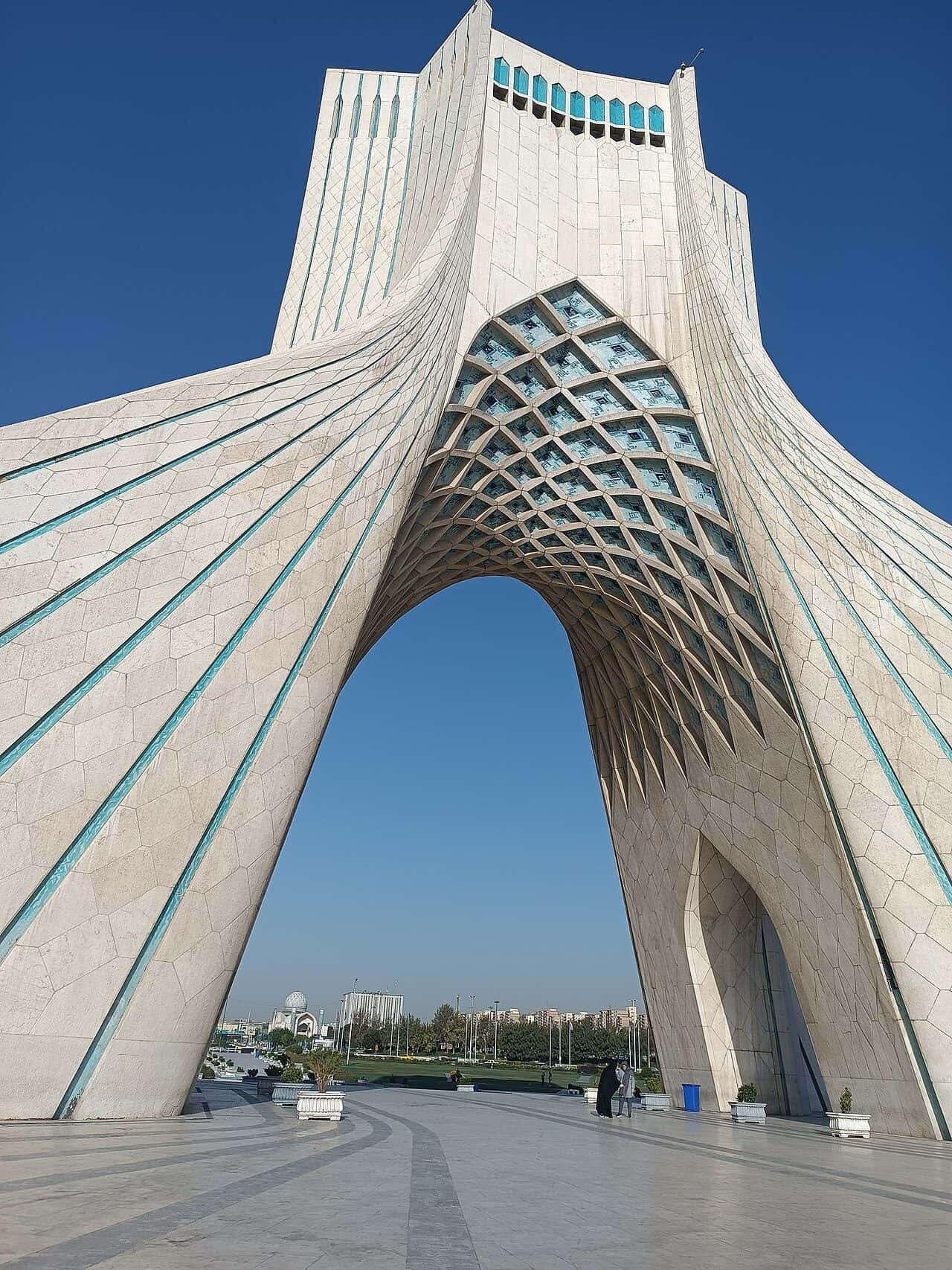 File photo · The Azadi Tower, Tehran · Mar 2023 · Mohamadgdp · CC0 · Source & license
The story
The Iran war has left energy markets grappling with uncertainty over how the conflict will end. Market participants cited by Yahoo Finance described the modeling challenge bluntly: “We simply don't know how to model the endgame.”
That uncertainty matters because the duration and outcome of the conflict can alter expectations for energy supply, transport and risk premiums. The market is therefore trying to price an unresolved geopolitical path rather than a settled change in fundamentals.
Oil producers, refiners, service companies and energy-intensive businesses are the main equity groups linked to the setup, but no single company is identified here. Their exposure would depend on how the conflict affects crude availability, transportation and operating costs.
The central unknown is the conflict’s trajectory. A clearer ceasefire, escalation or disruption to energy infrastructure would give markets a more concrete basis for repricing; until then, the outlook remains highly sensitive to new developments.
Key markers are the next material developments in the war and any resulting change in energy flows or market risk premiums. No dated event is identified that would settle the read.
Our read · Thu, Sep 17
With no single company identified, the Iran-war story leaves energy exposure vulnerable to two-way headline risk without a company-specific read.
Why. The immediate consequence is a wider range of possible energy outcomes, not a clean directional signal for a named equity. Until the conflict produces a dated resolution or a measurable change in energy flows, the setup is best treated as event-driven and two-sided.
Both cases
What could change this view: A rapid de-escalation or a concrete supply disruption would invalidate the current two-way framing by sharply changing the energy outlook.
Who reported it · 1
Keep reading
Latest on the Wire
Trump threatens overseas AI data-centre ban for US firmsBitcoin drops below $59,000 as cash rush revives summer-low testGreer says US chip curbs will close China export-control loopholesBlackRock bitcoin ETF posts $541.1 million outflow as tech sell-off spreadsPoland says Russian missiles and drone crashed during Ukraine assaultContinue on the Wire →Latest on the Wire
US MATCH Act puts ASML at center of China chip export disputeBeijing plans to bar young red-chip firms from overseas listingsGerman producer prices jump 8.1% in October as industrial inflation acceleratesChina seeks protections to restart US private-equity investmentsContinue on the Wire →Top this week
Nvidia allies lobby board to bring back Jensen Huang as CEONvidia chair rules out Huang return as CEO after 75% sales outlookAnthropic Said to Guide IPO Pricing Above Market RangeNvidia interim CEO Colette Kress faces first earnings test after HuangAnthropic IPO could become the largest in US history on ThursdayAbout this report
Reported by Yahoo Finance as Energy markets grapple with Iran war uncertainty: 'We simply don't know how to model the endgame'
, . Who answers for this
The only report in this record. Closes are licensed end-of-day data from Databento; the move after a story is its first close against the close before it. How this is decided →
Kept as written · your side, if you take one, is graded privately against licensed closes after 10 trading days · nothing here is advice · How the Wire is made →