The Federal Reserve’s decision on interest rates this month is emerging as a closer call than markets appear to expect. The debate sets up a sharper reaction around competing arguments for holding rates steady versus raising them.
The story
Economists are divided over the Federal Reserve’s interest-rate decision due this month, with some arguing against a hike and others disputing those arguments. The disagreement points to a less settled policy debate than current market expectations imply.
The immediate backdrop is the approaching Fed decision and the gap between the apparent market view and economists’ assessment of the range of possible outcomes. The central change is that a hike is being treated as more plausible by some economists than markets appear to be pricing.
The main actors are Fed policymakers, economists and interest-rate markets. Their connection runs through the policy decision: arguments for keeping rates unchanged could support the prevailing market view, while counterarguments could increase the probability assigned to a hike.
The balance of the debate remains unresolved. Some economists reject the case against raising rates, leaving the decision sensitive to how policymakers weigh the competing arguments.
The next decisive event is the Federal Reserve’s interest-rate decision later this month. The statement, policy vote and accompanying guidance will show whether policymakers treated the case for a hike as strong enough to alter the expected path of rates.
Our take
1 / 6
Our read · Oct 17
Economists are split over whether the Federal Reserve should raise interest rates at this month’s decision.
Why
The setup is a policy-outcome binary rather than a single-company read: a hike would challenge the market’s apparent baseline, while a hold would validate it. The key transmission mechanism is the repricing of interest-rate expectations around the Fed’s decision later this month.
What could change this view
The debate could remain unresolved until the decision, and either outcome may be offset by the Fed’s accompanying guidance.
▲ The case it holds
A hike case exists because some economists dispute the arguments for leaving rates unchanged and view tighter policy as warranted.
▼ The case it breaks
The case against a hike remains credible because the decision is described as closer than markets expect, leaving a hold as a live outcome.
Source: MarketWatch · Published here SAT, OCT 17 · 7:00 AM ET · the only report in this record · How this is decided →
Photo: File photo · The Federal Reserve’s Eccles Building, Washington · Mar 2011 · Federal Reserve · Public domain · Source & license
Kept as written · your side, if you take one, is graded privately against licensed closes after 10 trading days · reaction = the first close after a story against the close before it · nothing here is advice · How the Wire is made →
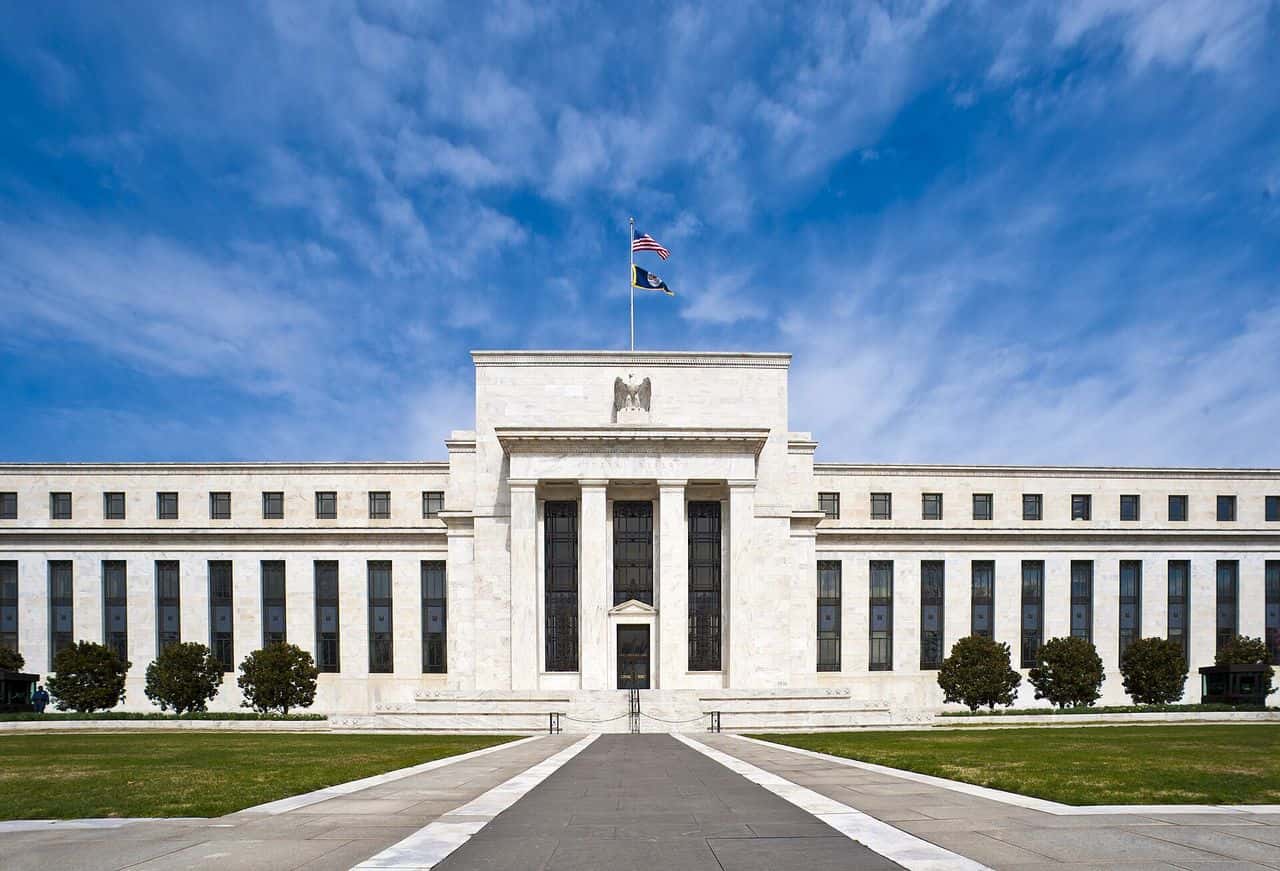 Photo credit ↓