Fed Rate Decision Still Hangs on Inflation After Jobs Report
The Federal Reserve’s next rate decision remains dependent on incoming inflation data despite the latest jobs report. That leaves markets focused on the next inflation release rather than treating employment data alone as decisive for policy.
The Federal Reserve's next rate decision is still being shaped by inflation data following the latest jobs report. The report did not settle the policy path on its own, leaving the central bank with competing signals from employment and prices.
Inflation remains the key unresolved input for the decision, rather than a clear policy signal emerging from employment alone.
The Fed is the central actor, with the mechanism running through its dual mandate and interest-rate setting. A softer inflation reading could give policymakers more room to ease policy, while persistent price pressure would preserve the case for caution. The jobs report matters because it helps frame the economy's resilience, but it does not replace the inflation data needed for the decision.
No particular rate move has been established, and the timing and direction of the decision therefore remain dependent on data that had not yet resolved the policy debate.
The next key event is the upcoming inflation release, followed by the Fed's rate decision. Traders will be looking for evidence in the inflation figures that either reinforces or offsets the signal from the jobs report. Until then, the policy setup remains data-dependent, with the inflation print the clearest near-term test of the Fed's reaction function.
The inflation release, not the jobs report alone, remains the key catalyst for the Fed’s next rate decision, leaving the macro read balanced.
The immediate implication is a continued data-dependent rates market: employment has not resolved the policy question, so the next inflation reading carries the greater marginal significance. With no ticker enrichment and no dated inflation or Fed event supplied, the evidence supports a balanced macro read rather than a directional single-name trade.
A materially different inflation reading or a clear Fed communication could quickly change the policy interpretation.
CoverageSource: Bloomberg.com · Published here FRI, SEP 4 · 11:47 AM ET · 2 reports · 2 publishers in this record · latest listed: Fortune · SUN, SEP 6 · 12:01 PM ETHow this is decided →
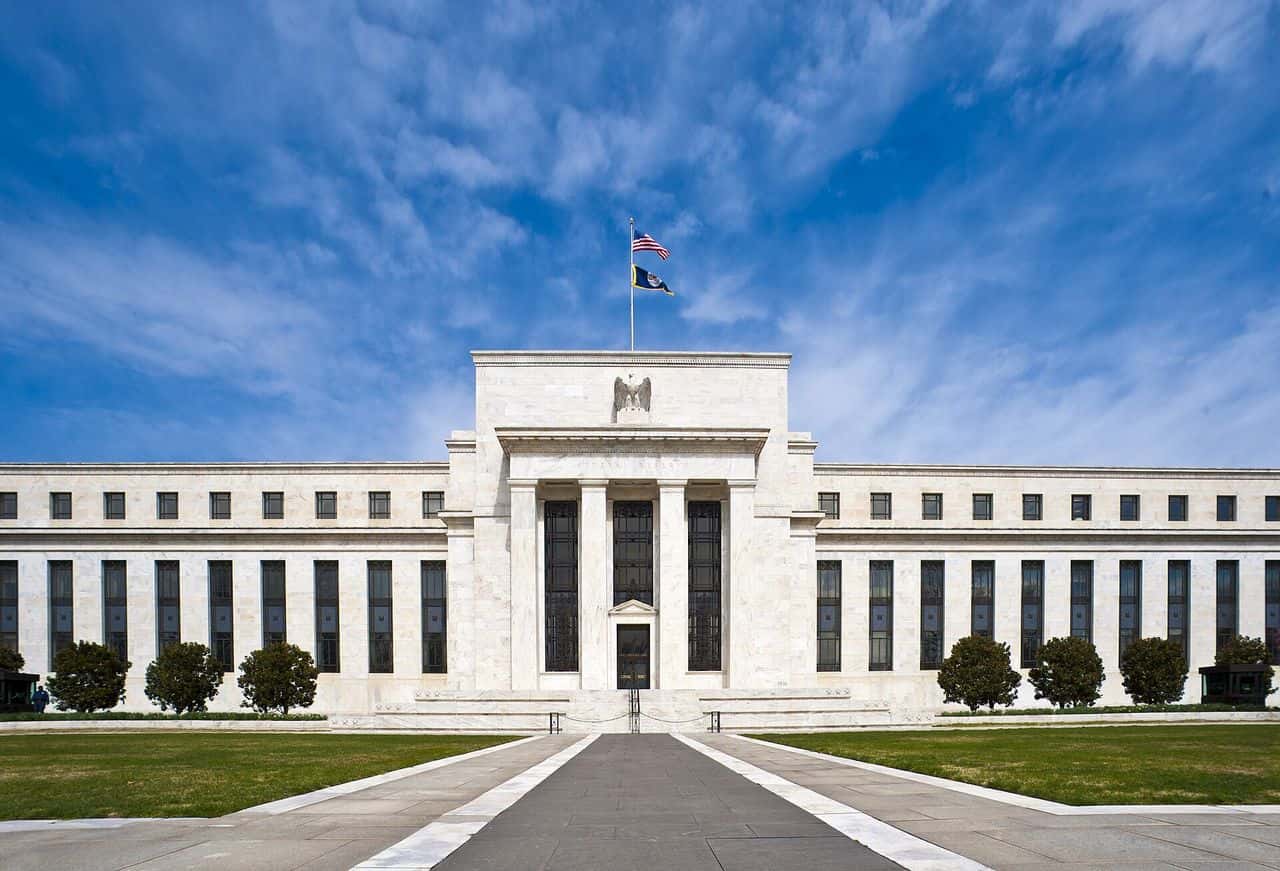 File photo · The Federal Reserve’s Eccles Building, Washington · Mar 2011 · Federal Reserve · Public domain · Source & license
Earlier context and later coverage are dated relative to this report. Automatically linked reports may cover a broader event.
No later reports linked yet.
Follow this story to find new evidence in your Following desk.
A benign inflation reading would give the Fed more room to ease policy after the jobs report failed to settle the decision.
Persistent inflation would keep policy restrictive despite the latest employment data, but the supplied reporting gives no inflation figure or dated event to quantify that risk.
Kept as written · your side, if you take one, is graded privately against licensed closes after 10 trading days · nothing here is advice · How the Wire is made →