Federal Reserve is expected to raise its benchmark rate, defying Trump’s demands
The Federal Reserve is expected to raise its benchmark interest rate despite President Donald Trump’s demands for lower borrowing costs. The move would set up a fresh clash between the central bank and the White House over monetary-policy independence.
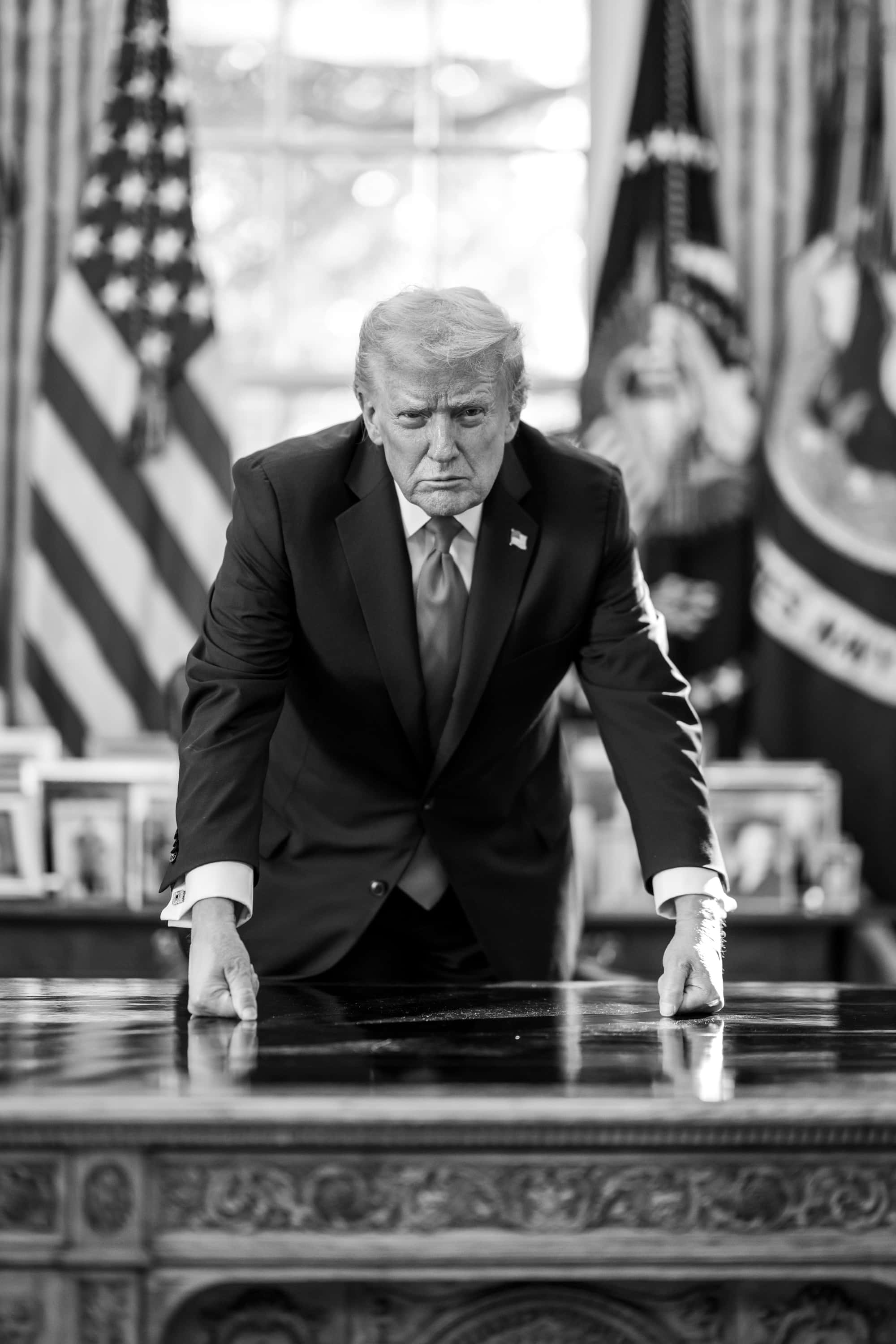 File photo · Jan 7, 2026 · Daniel Torok · Public domain · Source & license
AP News reported that the Federal Reserve is expected to raise its benchmark rate, putting the central bank on a collision course with President Donald Trump, who has demanded lower rates.
The story frames the decision as a continuation of Trump’s pressure on the Fed rather than as a routine policy adjustment.
The direct mechanism is through borrowing costs: a higher benchmark rate would keep financing more expensive for households and businesses, while reinforcing the Fed’s independent role in setting monetary policy. The political dispute could also affect expectations for future policy and the administration’s relationship with Fed officials.
The reporting leaves important details unresolved, including the timing of the expected increase, the vote margin and the Fed’s stated rationale. No company-specific exposure or market reaction was identified in the report.
The next decisive evidence would be the Fed’s policy announcement and accompanying statement, followed by officials’ projections and remarks. Those materials would clarify whether the expected increase is a one-off response or part of a broader tightening path, and how directly the central bank addresses the White House pressure.
The Fed-versus-White House clash leaves the macro read mixed, with higher rates supporting policy credibility but tightening financial conditions.
The immediate implication is a sharper rates-and-policy-independence conflict, not a clean directional setup: higher borrowing costs can restrain demand while a defiant Fed may reinforce confidence in its mandate. The expected increase is not quantified in AP News’ report, so the policy statement and guidance are needed to determine whether this is a one-off clash or a broader tightening signal.
The expected rate increase could be delayed, smaller than anticipated, or accompanied by guidance that points to easier policy ahead.
CoverageSource: AP News · Published here TUE, SEP 15 · 12:32 PM ET · 6 reports · 5 publishers in this record · latest listed: AP News · WED, SEP 16 · 3:08 PM ETHow this is decided →
- CBS News — Fed expected to hike interest rates for first time since 2023. See what it means for your money.
- NBC News — Trump and the Federal Reserve are on a collision course over interest rates
- NPR — The Fed is expected to raise interest rates for the first time in 3 years
- Financial Times — Fed should defy Donald Trump with rate rise, top economists say
- AP News — Federal Reserve hikes key rate for 1st time in 3 years, defying Trump demands for a cut
Earlier context and later coverage are dated relative to this report. Automatically linked reports may cover a broader event.
No later reports linked yet.
Follow this story to find new evidence in your Following desk.
A rate increase despite presidential pressure would reinforce the Fed’s independence and could strengthen confidence in its inflation-fighting stance.
Higher benchmark rates would tighten borrowing conditions, while the political confrontation could add uncertainty to the policy outlook.
Kept as written · your side, if you take one, is graded privately against licensed closes after 10 trading days · nothing here is advice · How the Wire is made →