France calls G7 summit on more oil reserves after Saudi pipeline attack
France has called a G7 summit on releasing more oil reserves after an attack on a Saudi pipeline worsened supply concerns. The move puts coordinated emergency stock releases back at the center of the oil-market response.
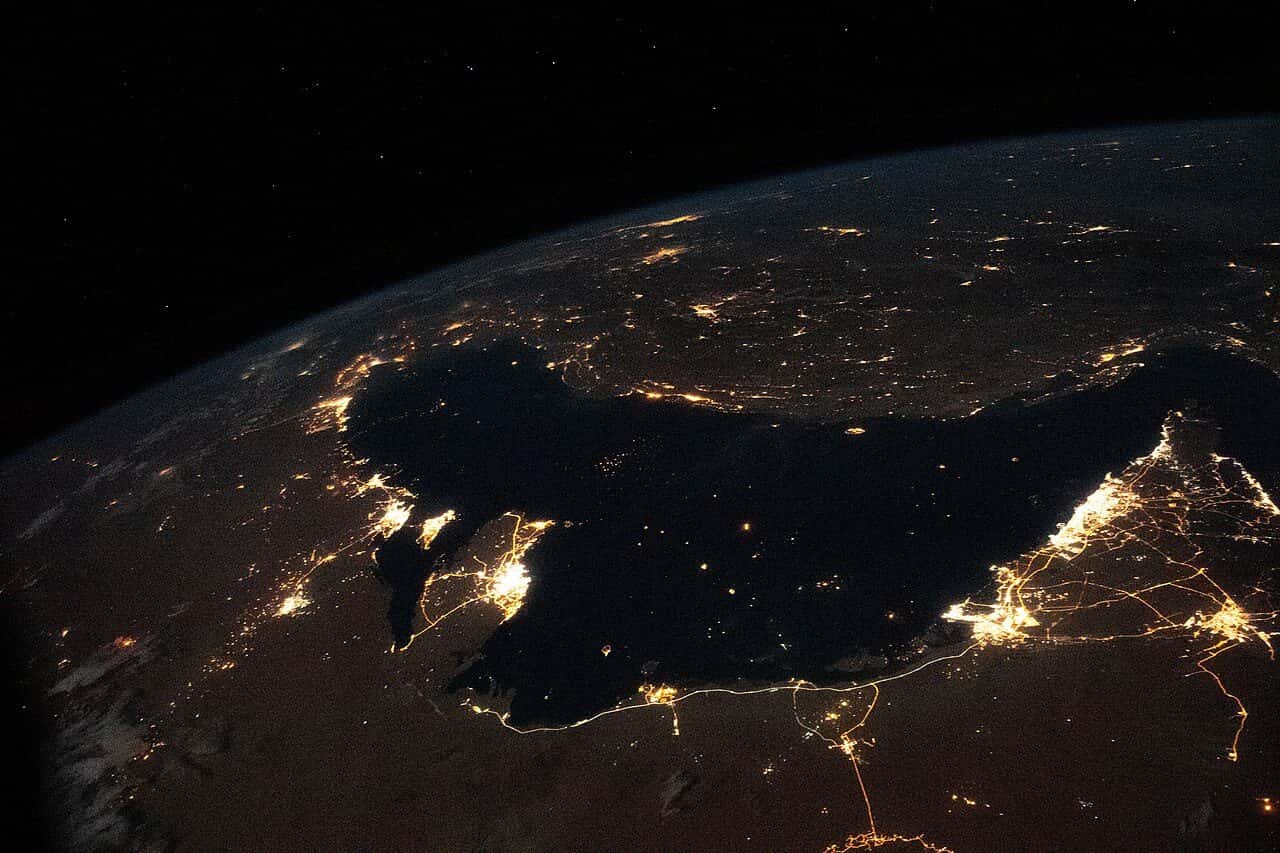 File photo · The Persian Gulf at night, from the International Space Station · Aug 2020 · NASA · Public domain · Source & license
The story
France has called a summit of the Group of Seven to discuss releasing more oil reserves, with supply concerns intensified by an attack on a Saudi pipeline. The announcement links the diplomatic response directly to fears that the incident could further disrupt crude availability.
The proposal comes as governments weigh another coordinated use of emergency inventories rather than relying only on market adjustments. The timing and scale of any release, as well as whether other G7 members agree, will determine how much additional supply reaches the market.
The immediate actors are France, the other G7 governments and Saudi Arabia. Their connection is operational: a decision to release reserves would add barrels during a period of concern, while the pipeline attack raises questions about Saudi export infrastructure and the durability of supply flows.
The reported development leaves the policy outcome unresolved. The summit has been called, but the amount of oil involved, the timing of any release and the participating governments' positions remain open.
The next markers are the summit itself and any subsequent announcement of coordinated reserve action. Traders will also be focused on the condition of Saudi pipeline operations and whether supply concerns ease or intensify after the attack.
Our read · Fri, Sep 18
The G7 summit puts emergency oil releases against renewed Saudi supply risk, leaving crude-market direction event-driven.
Why. The immediate market tension is between a potential coordinated supply response and the risk that damage to Saudi infrastructure keeps availability under pressure. The summit's timing, participating governments and any agreed release volume will determine whether policy supply offsets the disruption risk or merely signals concern.
Both cases
What could change this view: The read fails if the summit produces no coordinated release or if Saudi pipeline operations recover quickly, while a broader disruption would overwhelm any announced inventory response.
Who reported it · 1
Keep reading
Latest on the Wire
Walmart raises full-year outlook as e-commerce wins shoppersAnthropic IPO could become the largest in US history on ThursdayContinuing claims rise as Goldman sees Fed hikes in December and MarchPIF Tower in Riyadh reportedly damaged in second Houthi attackTrump Media buys back $100 million of notes ahead of Nov. 30 cash demandContinue on the Wire →Latest on the Wire
Trump, Xi and Putin pledge more refined fuel after first trilateral summitSky reserve linked to $518 million in illicit activity, investigation findsBitcoin nears $64,000 as Anthropic IPO lifts Nasdaq futures nearly 2%UniCredit reaches agreement with Berlin over Commerzbank takeoverContinue on the Wire →Top this week
Nvidia allies lobby board to bring back Jensen Huang as CEONvidia chair rules out Huang return as CEO after 75% sales outlookNvidia interim CEO Colette Kress faces first earnings test after HuangAnthropic Said to Guide IPO Pricing Above Market RangeNvidia CEO Jensen Huang reportedly resigns as US-China tensions riseAbout this report
Reported by Financial Times as France calls G7 summit on releasing more oil reserves
, . Who answers for this
The only report in this record. Closes are licensed end-of-day data from Databento; the move after a story is its first close against the close before it. How this is decided →
Kept as written · your side, if you take one, is graded privately against licensed closes after 10 trading days · nothing here is advice · How the Wire is made →