German Far Right Surges in Vote, Iran & US Trade Tanker Attacks
Germany’s far-right AfD delivered its strongest-ever state-election result, while escalating Iran-US tanker strikes pushed oil prices higher and raised the risk of further shipping disruption. The combination puts European political stability, energy costs and inflation back at the center of the market open.
The AfD's result in Sunday's state election was described by Bloomberg Television as its best-ever performance at that level, amid dissatisfaction with Germany's political establishment. The result was framed as a significant setback for Chancellor Friedrich Merz.
At the same time, Iran and the United States carried out what appeared to be their largest reciprocal tanker attacks yet over the weekend. The strikes are part of a six-month conflict that has disrupted shipping and pushed oil prices higher.
The political and energy developments connect through separate mechanisms: a stronger far-right showing raises uncertainty around Germany's domestic policy environment, while tanker attacks threaten transport capacity and energy flows. Higher oil prices can feed into inflation and household costs, potentially adding to the political pressure already visible in the election result.
The scale of the attacks remains unclear, and the full extent of damage to vessels, the location of the strikes, the amount of oil removed from supply, and the response from either government have yet to be established. It also remains uncertain whether the German result changes the federal government's governing position immediately.
The next decisive evidence will be the official election count and coalition response in Germany, alongside confirmation of the tanker damage, any further military action and the resulting move in oil and shipping rates. Markets will also need to distinguish a temporary risk premium from a sustained disruption to physical energy flows.
With no single listed company at the center, the read is mixed: Germany’s far-right surge raises political risk while tanker strikes lift the energy and inflation threat.
The immediate market consequence is a higher geopolitical risk premium alongside renewed concern that energy costs could reinforce inflation. The trade setup is not single-name: its direction depends on whether the tanker attacks create lasting physical supply disruption and whether the German result produces a concrete governing or policy change.
The setup fades if the tanker damage proves limited, shipping resumes normally and Germany’s election result does not alter coalition policy.
CoverageSource: Bloomberg Television · Published here MON, SEP 7 · 5:40 AM ET · 2 reports · 1 publisher in this record · latest listed: Bloomberg Television · MON, SEP 7 · 6:54 AM ETHow this is decided →
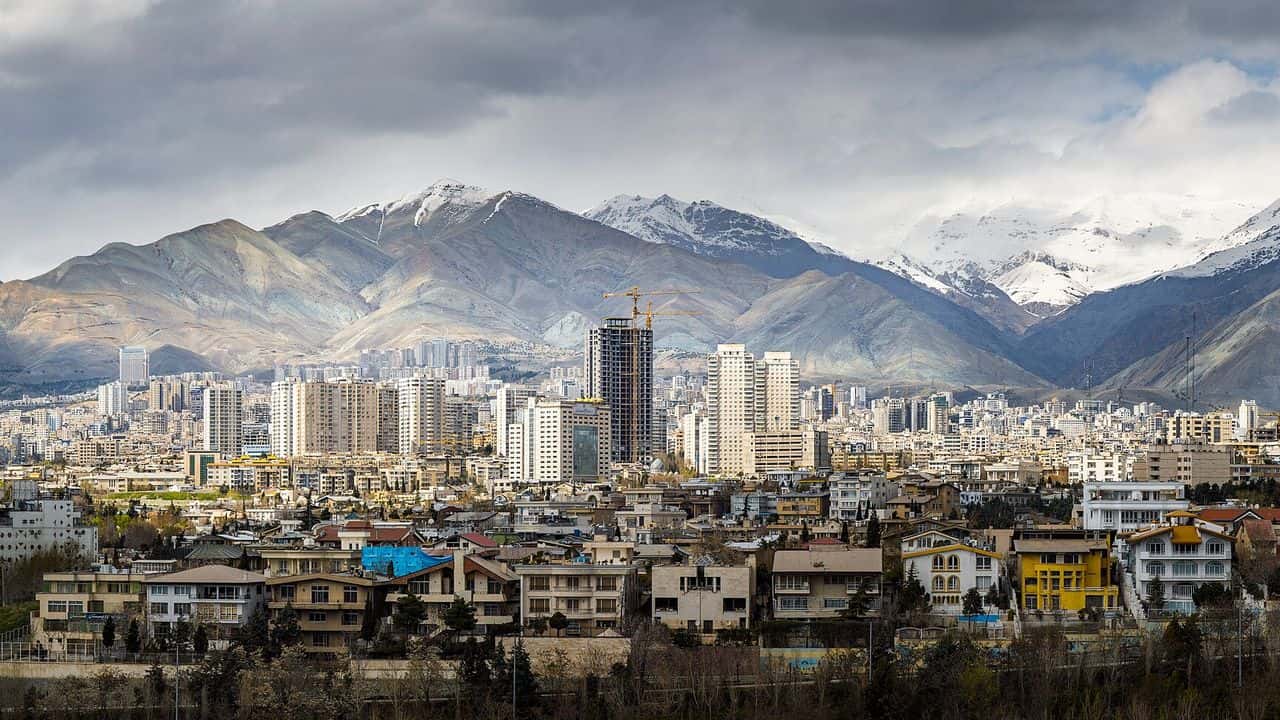 File photo · Tehran · Apr 2019 · Amir Pashaei · CC BY-SA 4.0 · Source & license
- Bloomberg Television — US-Iran Tanker Attacks Escalate, Sending Oil Higher
Earlier context and later coverage are dated relative to this report. Automatically linked reports may cover a broader event.
No later reports linked yet.
Follow this story to find new evidence in your Following desk.
A sustained interruption to tanker traffic would reinforce the oil-price shock and raise the value of energy exposure, while political instability could extend demand for defensive assets.
The read is vulnerable because vessel damage and oil-supply loss remain unquantified, and it is uncertain whether an immediate change to Germany's federal policy will occur.
Kept as written · your side, if you take one, is graded privately against licensed closes after 10 trading days · nothing here is advice · How the Wire is made →