Hike Or Hold? Debating The Coming Fed Decision
Markets are pricing a 60% chance that the Federal Reserve raises rates at its September 16 FOMC meeting, setting up a live hike-versus-hold decision. The immediate market risk is a repricing of rates and duration if policymakers reject the hike implied by futures or signal further increases.
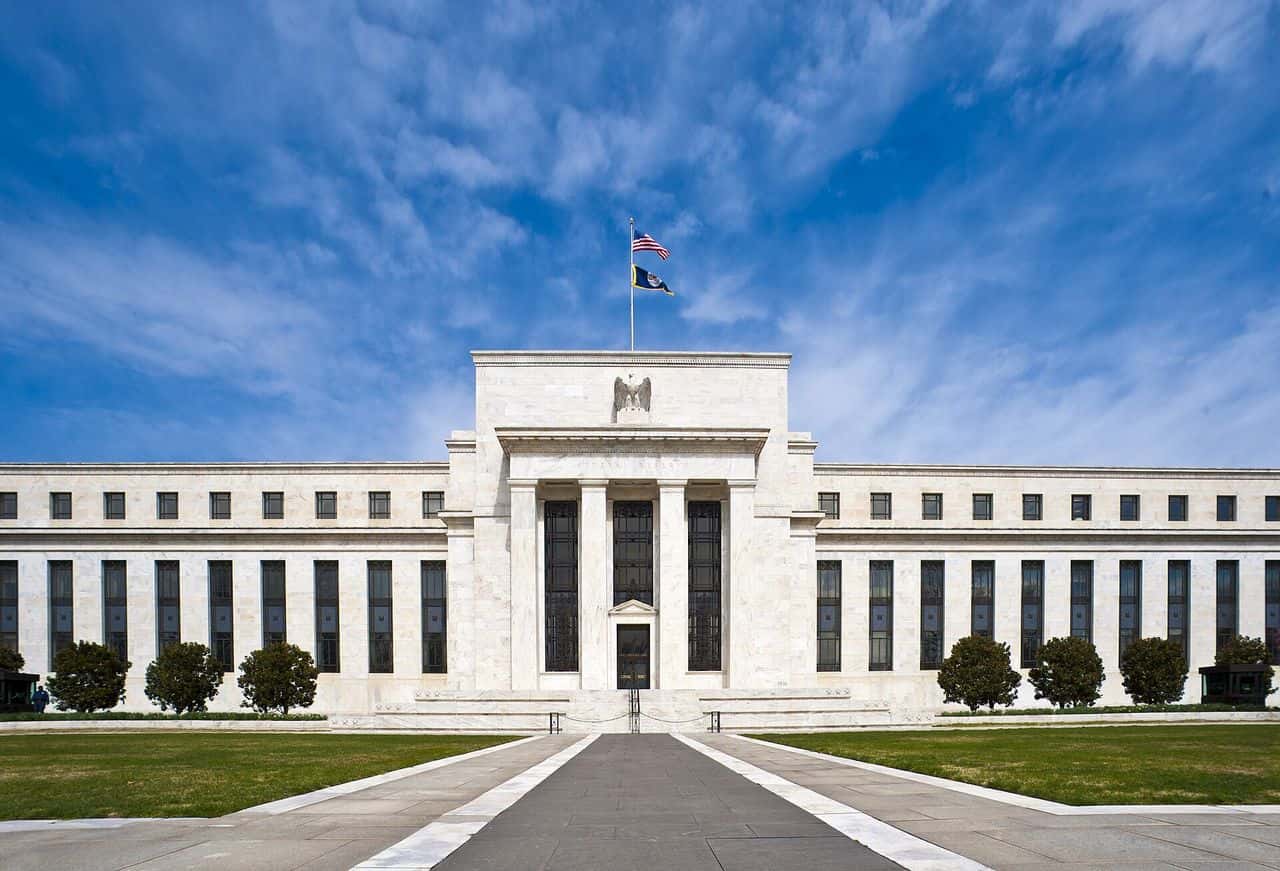 File photo · The Federal Reserve’s Eccles Building, Washington · Mar 2011 · Federal Reserve · Public domain · Source & license
Fed funds futures imply a 60% probability of a rate increase at the September 16 FOMC meeting, presenting the policy debate as a courtship-style clash between arguments for tightening and holding rates steady. Further hikes are also possible, though the specific policy path beyond September remains uncertain.
The central setup is therefore a gap between market pricing and the Fed's decision. A hike would validate the probability currently embedded in futures; a hold would force markets to reassess that pricing. The inflation, labor-market and growth figures being used by either side are not yet clear, so the policy case cannot be fully quantified beyond the futures signal.
The directly affected instruments are interest-rate futures and other rate-sensitive assets rather than a named company. The transmission mechanism is a change in expected policy rates: a hike or hawkish guidance would lift the expected path, while a hold or softer guidance would reduce it. No company-specific revenue, cost or contract exposure is implicated.
Both positions form part of the broader debate, with no certainty yet on which side will prevail. The Fed's preferred inflation measure, labor-market threshold and the magnitude of any move remain to be clarified. The next decisive event is the September 16 FOMC meeting and its accompanying policy communication; the result and guidance on subsequent hikes would determine whether the 60% pricing was too high or too low.
The September 16 FOMC decision leaves the rates complex finely balanced: a hike validates the 60% futures pricing, while a hold risks a sharp repricing of the expected policy path.
The trade setup is event-driven and two-sided because fed funds futures already price a 60% chance of a September hike, leaving material sensitivity to both the decision and the accompanying guidance. A hike would confirm current pricing, while a hold would challenge it; macro evidence is insufficient to give either outcome a durable directional edge.
The setup fails if the FOMC decision and guidance produce little change in the expected rate path despite the headline decision.
CoverageSource: ZeroHedge · Published here THU, SEP 10 · 7:45 AM ET · the only report in this recordHow this is decided →
Earlier context and later coverage are dated relative to this report. Automatically linked reports may cover a broader event.
No later reports linked yet.
Follow this story to find new evidence in your Following desk.
The hike case has a concrete market anchor in the 60% probability of a September increase priced into fed funds futures, with the article also pointing to further hikes as possible.
The hold case remains credible because the source presents the policy debate as unresolved and supplies no inflation, employment or growth evidence that would make a hike clearly dominant.
Kept as written · your side, if you take one, is graded privately against licensed closes after 10 trading days · nothing here is advice · How the Wire is made →