In a policy switch, the Fed says its October 2027 meeting will not see a vote on interest rates
The Federal Reserve says its October 2027 meeting will be held without a formal interest-rate vote or post-meeting statement. The unusual session creates a scheduled window for policy deliberation while reducing the number of next year’s voting meetings to seven.
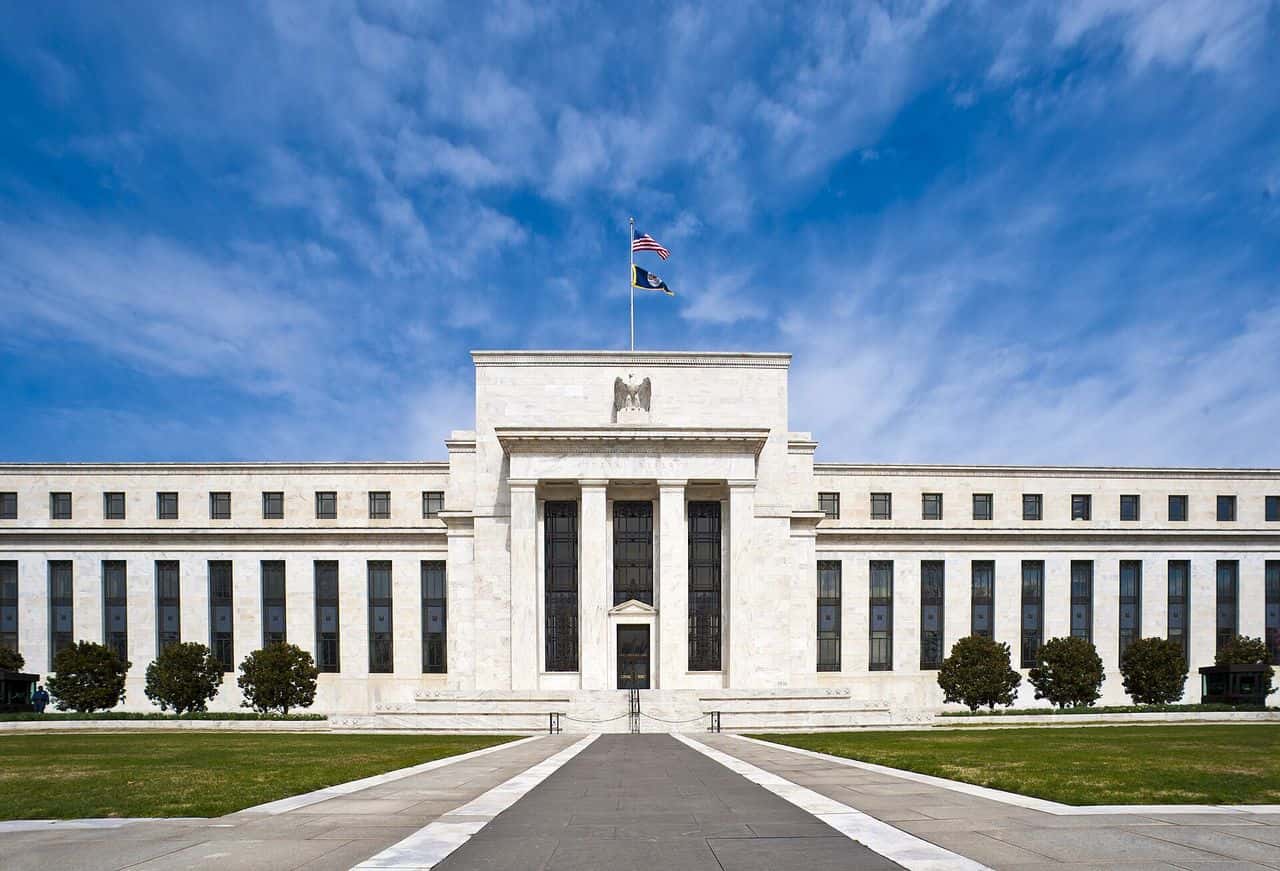 File photo · The Federal Reserve’s Eccles Building, Washington · Mar 2011 · Federal Reserve · Public domain · Source & license
The story
The Federal Reserve has designated its October 2027 meeting as an additional policy-deliberation session rather than a meeting at which officials will formally vote on interest rates. The meeting also will not produce a post-meeting statement, according to CNBC’s report on Nov. 12.
The change leaves seven voting meetings on the Fed’s 2027 calendar. October’s session will still give policymakers time to discuss the outlook, but it will sit outside the regular sequence of decisions accompanied by a rate vote and statement.
The decision affects the timing of the Fed’s policy communication and the calendar used by markets to assess changes in borrowing costs. The October gathering is structured as deliberation time, not as a conventional decision point.
The practical significance will depend on whether officials use the session to prepare for a later vote or to address a changing economic backdrop without issuing a formal policy statement. The remaining seven voting meetings and the Fed’s eventual 2027 calendar communications are the next reference points.
Our read · Thu, Nov 12
The Fed will use its October 2027 meeting for policy deliberation without a rate vote or post-meeting statement.
Why. The shift changes the timing of formal monetary-policy signals rather than setting the direction of rates: October 2027 will offer deliberation without a vote or statement, leaving seven voting meetings for official decisions. The key uncertainty is how markets interpret policy discussion that is not followed by the Fed’s usual formal communication.
Both cases
What could change this view: A later Fed calendar revision or a policy decision outside the usual meeting sequence could reduce the significance of the October session.
Who reported it · 1
Keep reading
Latest on the Wire
BlackRock bitcoin ETF posts $541.1 million outflow as tech sell-off spreadsPoland says Russian missiles and drone crashed during Ukraine assaultAnthropic debut fails to halt technology-led slide in US stocksUS MATCH Act puts ASML at center of China chip export disputeBeijing plans to bar young red-chip firms from overseas listingsContinue on the Wire →Latest on the Wire
Beijing plans to bar young red-chip firms from overseas listingsChina seeks protections to restart US private-equity investmentsAMD shares fall 11% after Hunterbrook warns over China linksWalmart raises full-year outlook as e-commerce wins shoppersContinue on the Wire →Top this week
Nvidia allies lobby board to bring back Jensen Huang as CEONvidia chair rules out Huang return as CEO after 75% sales outlookAnthropic Said to Guide IPO Pricing Above Market RangeNvidia interim CEO Colette Kress faces first earnings test after HuangAnthropic IPO could become the largest in US history on ThursdayAbout this report
Reported by CNBC, . Who answers for this
The only report in this record. Closes are licensed end-of-day data from Databento; the move after a story is its first close against the close before it. How this is decided →
Kept as written · your side, if you take one, is graded privately against licensed closes after 10 trading days · nothing here is advice · How the Wire is made →