Iran insists Strait of Hormuz remains closed as war enters seventh month
Iran says the Strait of Hormuz remains closed as the war enters its seventh month. The prolonged disruption keeps a major global energy-shipping chokepoint at the center of the conflict, though the scale of supply impact remains unclear and exposure at individual companies is difficult to assess.
Iran has insisted that the Strait of Hormuz remains closed as the conflict enters its seventh month, according to Investing.com in a report published August 30.
The latest statement extends a disruption that has already become a long-running feature of the war rather than a newly announced event.
The Strait is a major route for energy cargoes, so its status connects the conflict to tanker operators, oil producers, refiners, importers and energy prices. No individual company is named in the report, and there is no information here on freight rates, insurance costs, rerouting, production curtailments or contract disruptions.
The central uncertainty is the meaning of “closed” in operational terms.
The next useful facts would be confirmation of actual vessel movements through the strait, verified changes in energy flows and any official military or diplomatic action affecting access. Statements from shipping authorities, tanker operators and the governments involved would help determine whether the situation represents a persistent transport disruption or a contested claim without a newly quantified market effect.
With no ticker-specific enrichment, company guidance, consensus data or dated decision event supplied, the report supports monitoring the geopolitical and energy-shipping thread rather than a single-name equity read. The key open questions are how long the asserted closure lasts, whether traffic is materially reduced, and whether the conflict produces measurable changes in supply, freight or insurance costs.
The Hormuz closure claim keeps geopolitical and energy-shipping risk elevated. Determining company-specific exposure and actual flow data requires further investigation to support a single-name equity read.
The tradable implication is still unquantified: Iran’s statement may signal a durable shipping disruption, but the report does not verify traffic, supply losses, freight costs or exposure for any listed company. Without a named equity, enrichment or dated event that resolves the claim, the evidence does not carry a directional single-name setup.
The claim could prove rhetorical or operationally limited, with vessel traffic and energy flows continuing largely unaffected.
CoverageSource: Investing.com · Published here SUN, AUG 30 · 12:54 AM ET · the only report in this recordHow this is decided →
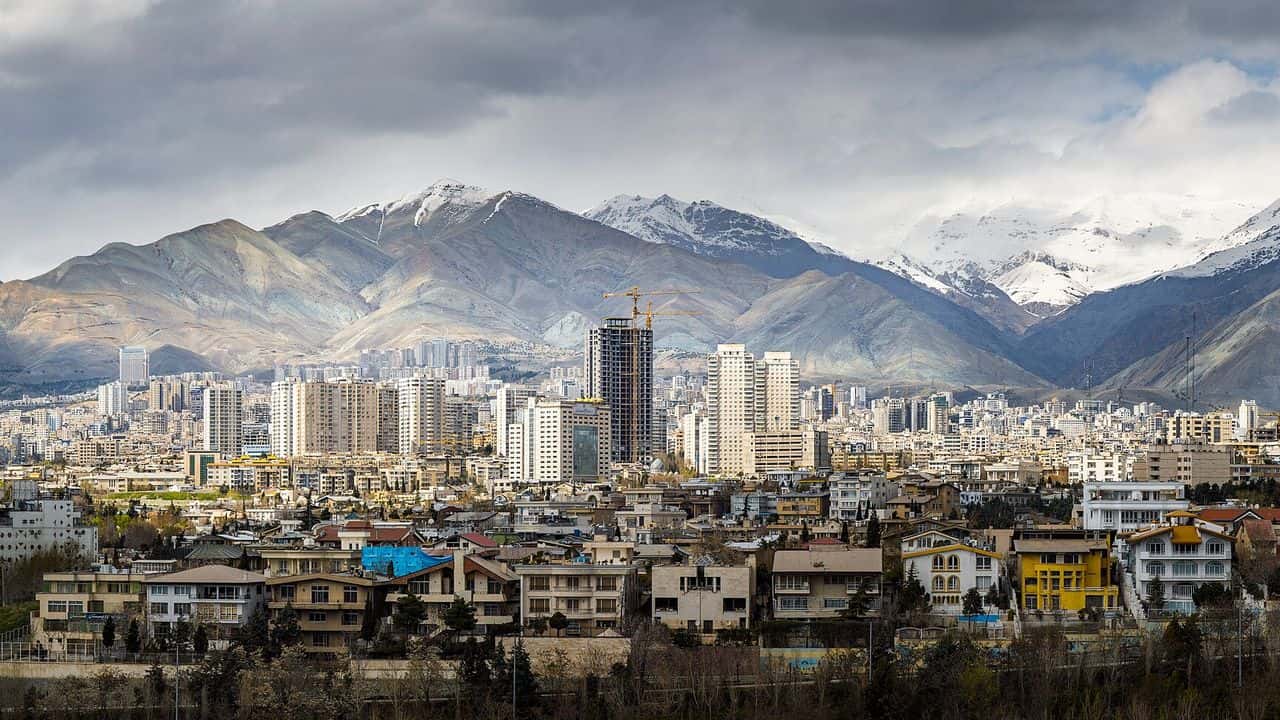 File photo · Tehran · Apr 2019 · Amir Pashaei · CC BY-SA 4.0 · Source & license
Earlier context and later coverage are dated relative to this report. Automatically linked reports may cover a broader event.
No later reports linked yet.
Follow this story to find new evidence in your Following desk.
A genuinely enforced closure could raise transport and energy-disruption risk across the supply chain, but no quantified impact is provided.
Independent confirmation of the closure, company exposure details and flow data remain unclear, leaving the market consequence difficult to quantify rather than establishing a strong opposing trade.
Kept as written · your side, if you take one, is graded privately against licensed closes after 10 trading days · nothing here is advice · How the Wire is made →