Iran’s Attacks Keep the Strait of Hormuz in a Lethal Stalemate
Iranian attacks are keeping commercial shipping through the Strait of Hormuz in a dangerous stalemate despite U.S. military assistance to tankers. The immediate setup is tighter effective oil supply and higher shipping risk, but the direction of the energy shock depends on whether attacks escalate or transit normalizes.
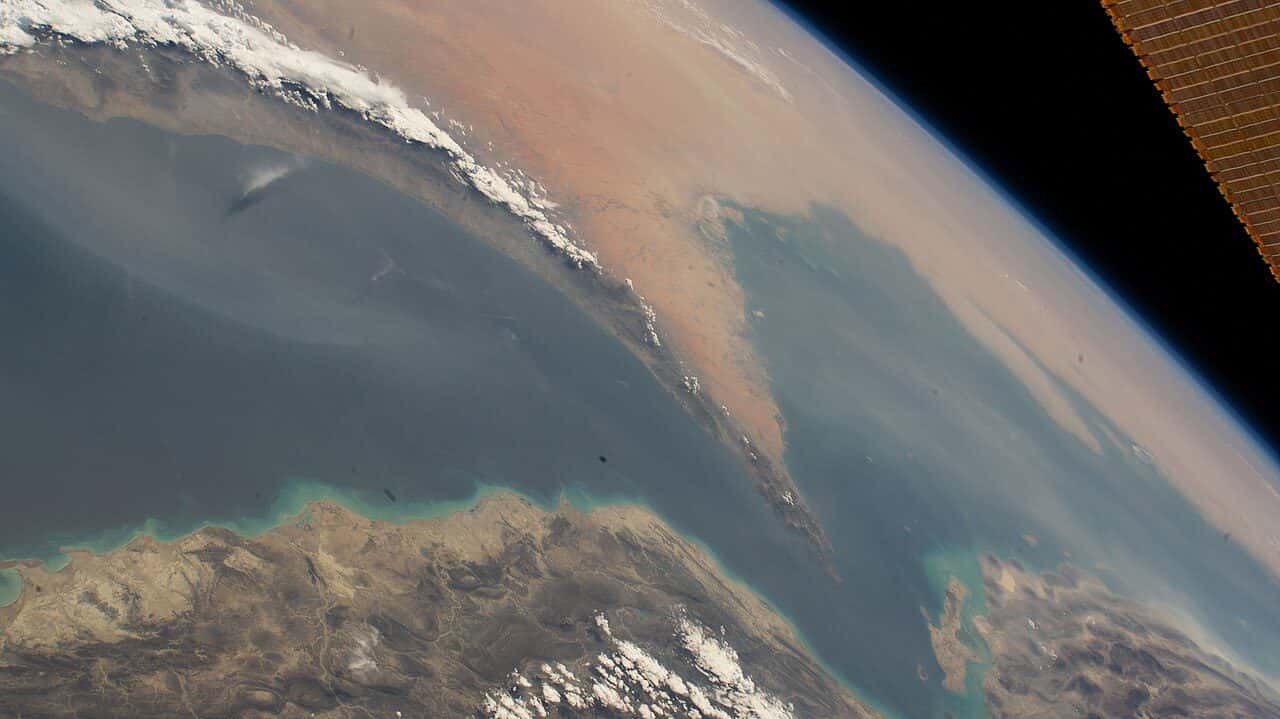 File photo · The Strait of Hormuz, from the International Space Station · Aug 2022 · NASA · Public domain · Source & license
The story
The New York Times reported that U.S. forces are helping tankers move oil out of the Persian Gulf while Iranian attacks continue to threaten ships and deter operators. The account describes a lethal impasse rather than a restored shipping corridor: military support is enabling some departures, but commercial participants remain unwilling to treat the route as safe.
The Strait of Hormuz is a critical outlet for Persian Gulf oil, so the disruption affects the logistics of getting barrels to market even when production itself is not directly interrupted. Tanker traffic, oil volumes, freight rates and crude prices have not been quantified in available reporting.
The direct commercial mechanism runs through energy and shipping markets: fewer willing operators can constrain available transport capacity, raise war-risk costs and delay deliveries. Oil producers may benefit from a risk premium if supply is threatened, while refiners and other fuel users face higher feedstock and transportation costs; no single publicly traded company has been identified as the clear beneficiary or loser.
The central uncertainty is operational. U.S. assistance may keep tankers moving, but continued attacks could further deter operators, while a diplomatic or military de-escalation could reopen the route. The number of incidents, the identity of affected vessels and the duration of the standoff remain unclear.
The next evidence points are verified changes in tanker departures, additional attacks or escorts, official shipping advisories and any documented movement in crude inventories, freight rates or oil prices. No dated event deciding the trade has been established in reporting.
Our read · Sun, Sep 6
The Hormuz stalemate raises transport and supply-risk premiums across energy markets, but the evidence does not isolate a single listed company or support a company-specific directional read.
Why. The immediate market implication is a broader energy-risk premium rather than a clean single-name setup: continued attacks can restrict tanker capacity and raise delivery costs, while U.S. assistance limits the disruption by keeping some oil moving. With no ticker enrichment, quantified shipment data or dated forward catalyst in the report, the evidence does not support a conviction trade.
Both cases
What could change this view: A rapid de-escalation or sustained escorted flow that restores commercial confidence would unwind the shipping and supply-risk premium.
Who reported it · 1
Keep reading
Latest on the Wire
Trump threatens overseas AI data-centre ban for US firmsBitcoin drops below $59,000 as cash rush revives summer-low testGreer says US chip curbs will close China export-control loopholesBlackRock bitcoin ETF posts $541.1 million outflow as tech sell-off spreadsPoland says Russian missiles and drone crashed during Ukraine assaultContinue on the Wire →Latest on the Wire
US MATCH Act puts ASML at center of China chip export disputeBeijing plans to bar young red-chip firms from overseas listingsGerman producer prices jump 8.1% in October as industrial inflation acceleratesChina seeks protections to restart US private-equity investmentsContinue on the Wire →Top this week
Nvidia allies lobby board to bring back Jensen Huang as CEONvidia chair rules out Huang return as CEO after 75% sales outlookAnthropic Said to Guide IPO Pricing Above Market RangeNvidia interim CEO Colette Kress faces first earnings test after HuangAnthropic IPO could become the largest in US history on ThursdayAbout this report
Reported by NYT Business, . Who answers for this
The only report in this record. Closes are licensed end-of-day data from Databento; the move after a story is its first close against the close before it. How this is decided →
Kept as written · your side, if you take one, is graded privately against licensed closes after 10 trading days · nothing here is advice · How the Wire is made →